
Last updated November 21, 2026
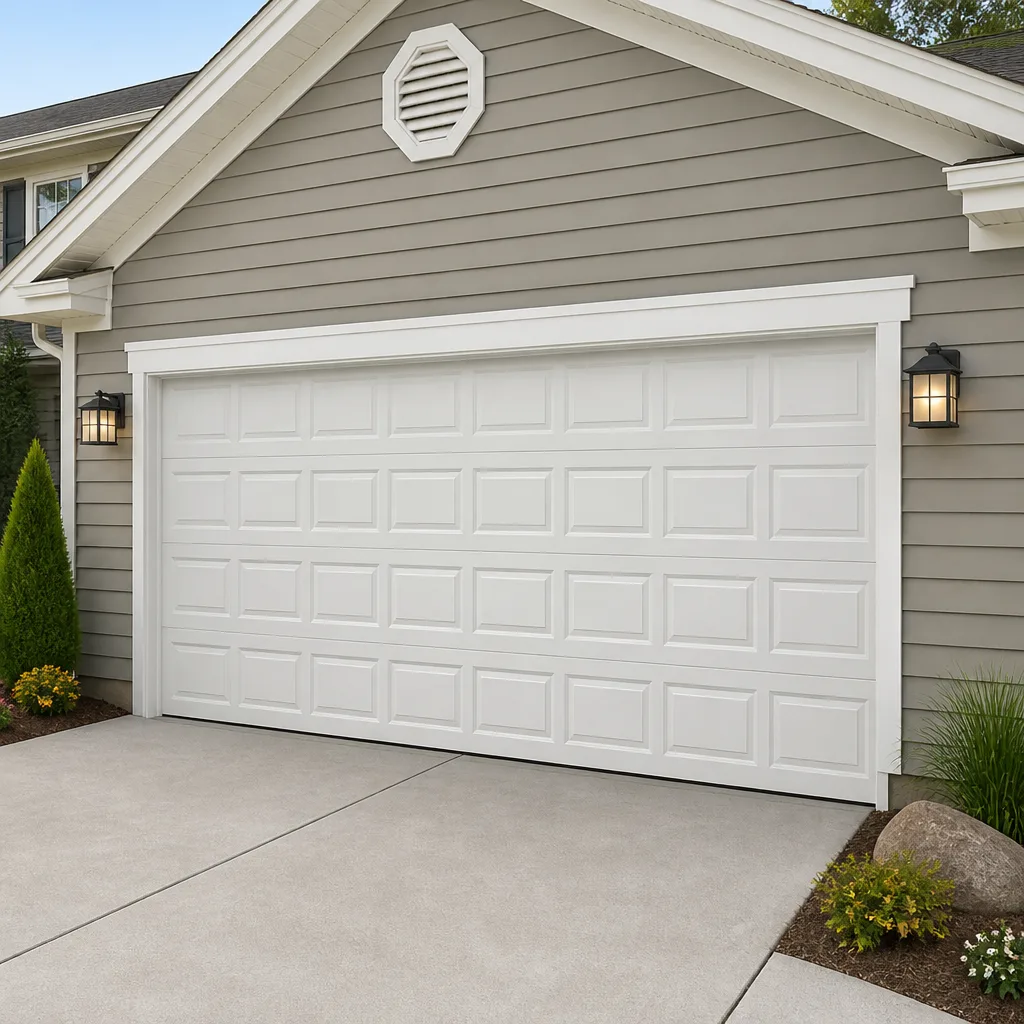 Raised-panel steel
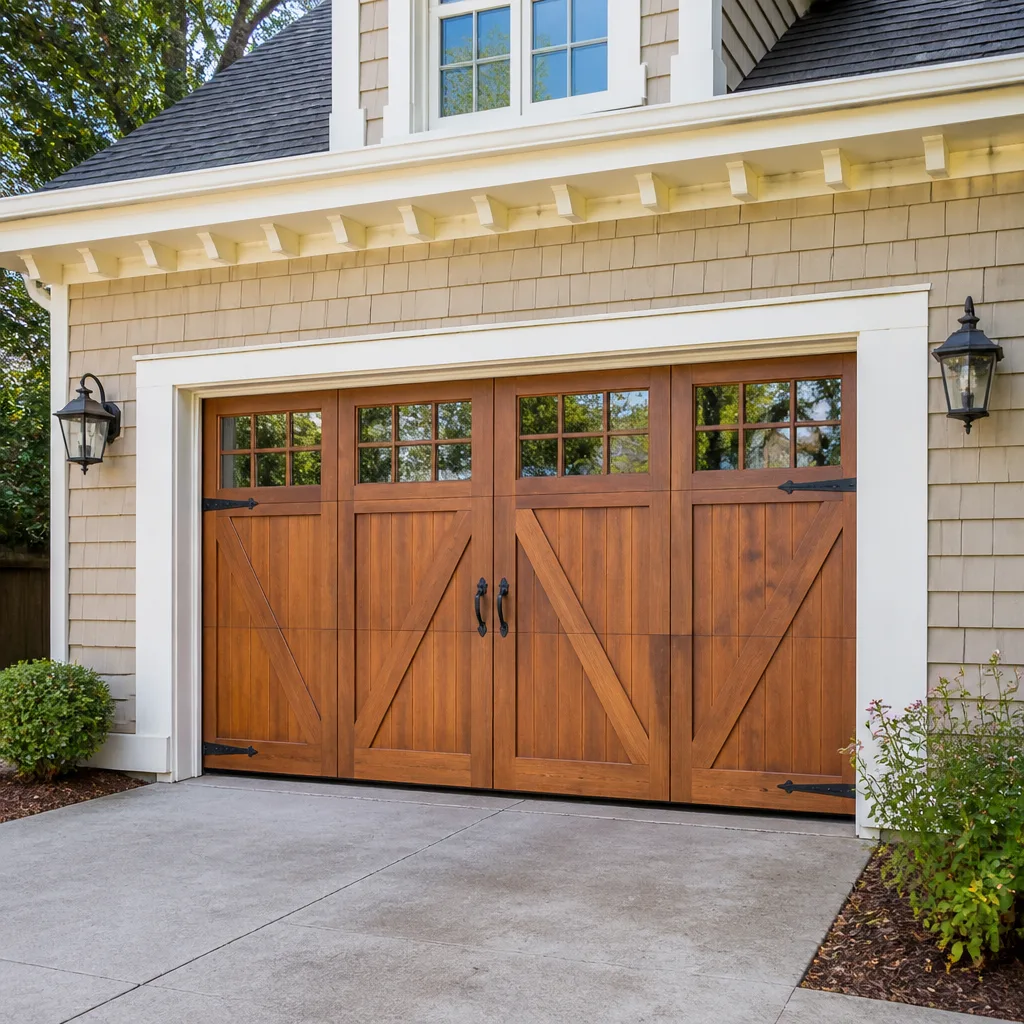 Carriage house
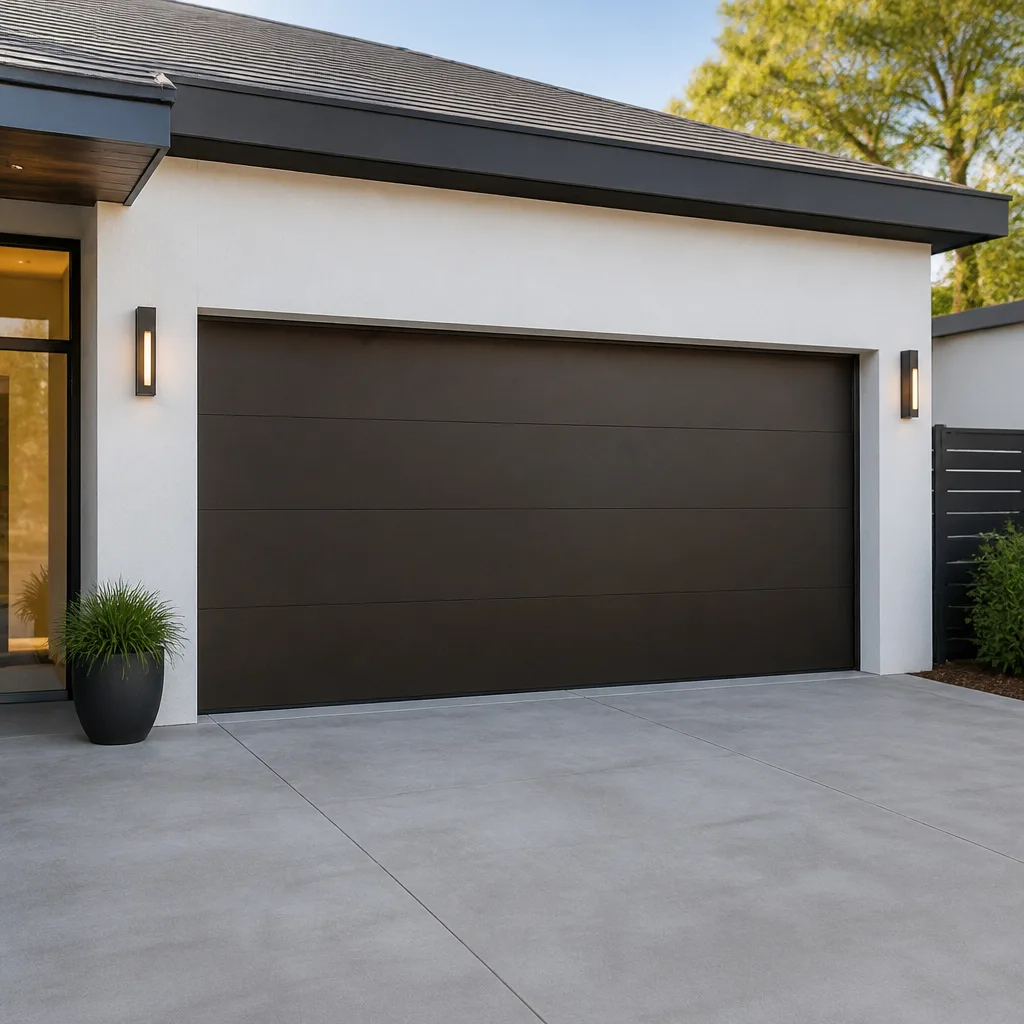 Modern flush
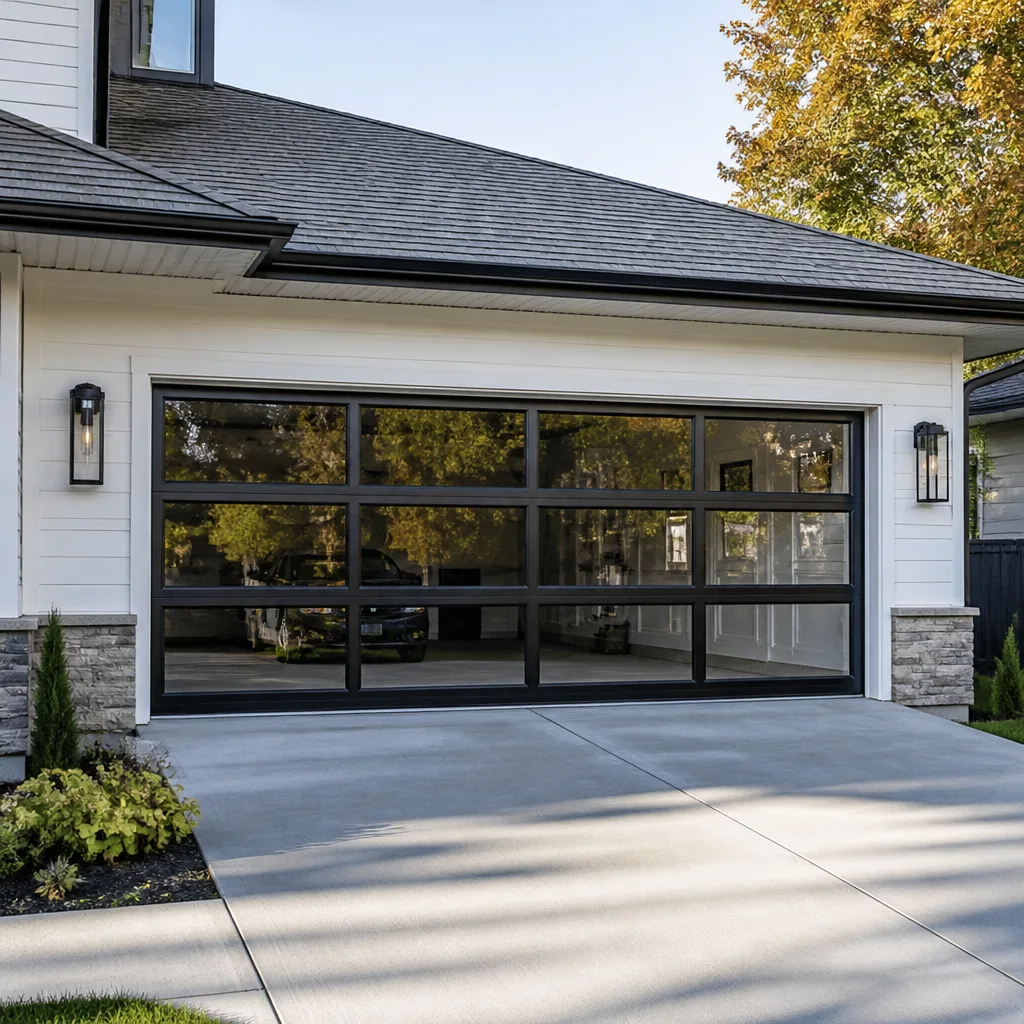 Full-view glass
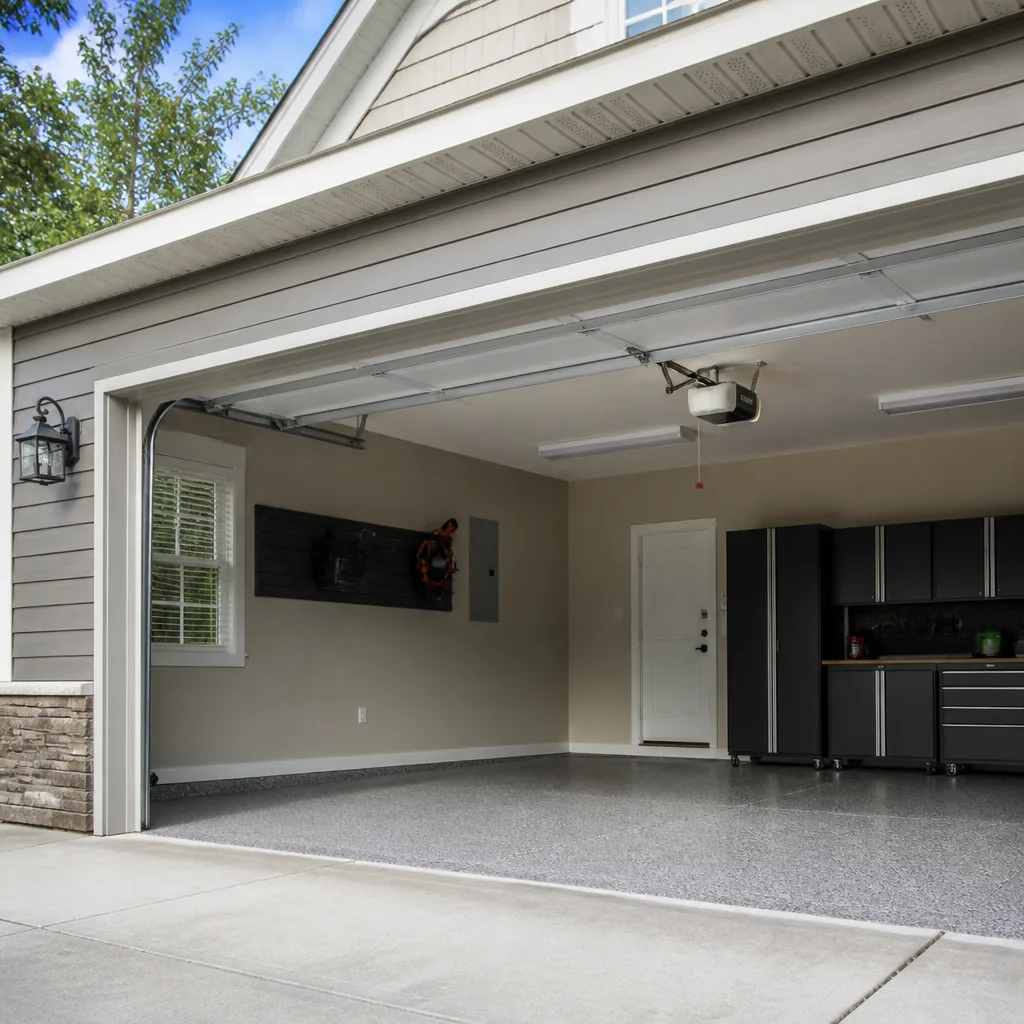 LiftMaster openers
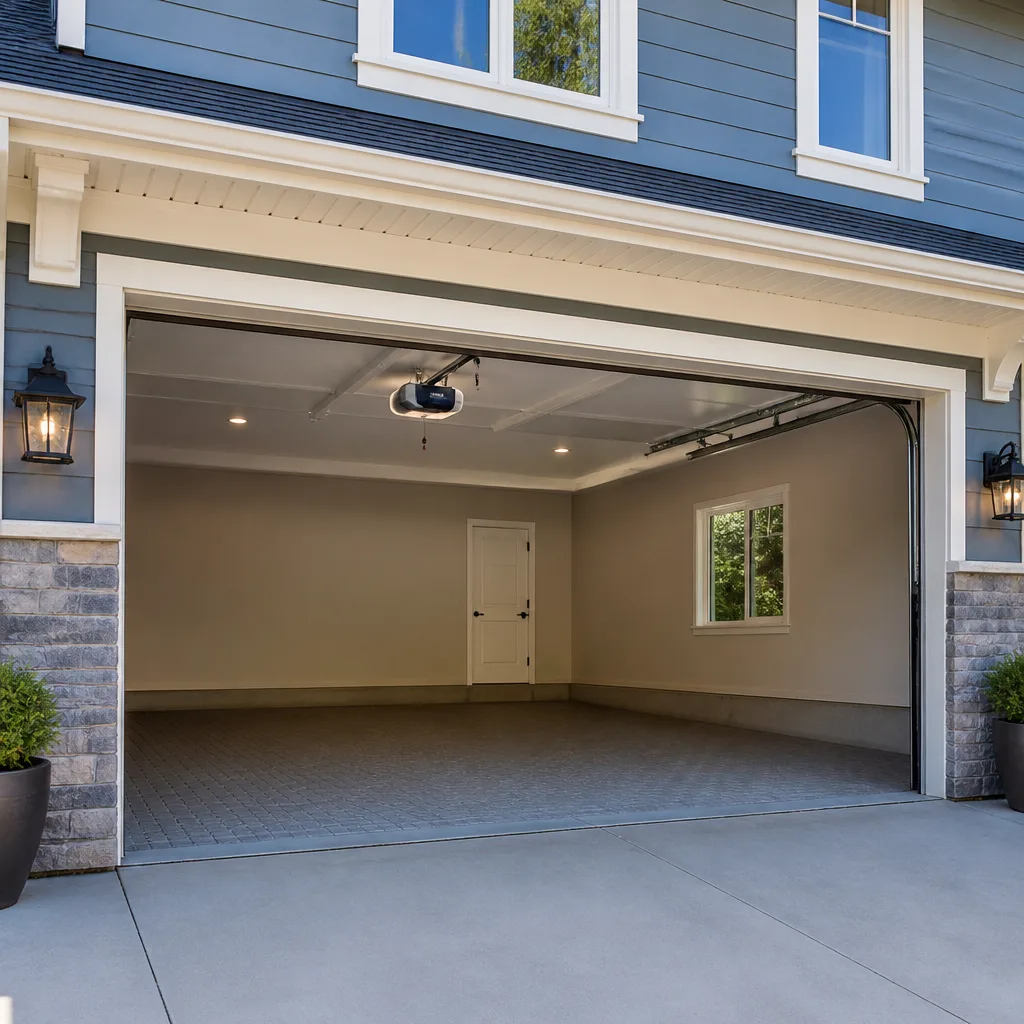 Chamberlain openers
Full 25-point door and opener safety check with every visit - springs, cables, rollers, tracks, and your LiftMaster or Chamberlain opener included
You get a price before we start. It does not change when the pro arrives.
Get your free estimateGarage Door Repair Troubleshooting in Fishtown: Common Problems and How to Fix Them
A door that reverses before it hits the floor and a door that won’t move at all look like completely different problems. Sometimes they share the same cause. Confusing a safety-sensor trip with a mechanical failure, or an opener fault code with a broken spring, is how DIY repairs go sideways in Fishtown rowhomes – and how people end up buying a part they never needed. This guide maps symptoms to root causes across all five mechanical systems, shows you where safe troubleshooting stops and real danger begins, and explains what to document before you call anyone so the diagnosis takes minutes instead of a wasted visit.
Quick Answer
Most garage door problems in Fishtown fall into five mechanical categories: springs, cables, tracks and rollers, the opener itself, and safety sensors. Match your symptom to the right system before touching anything, and stop immediately when a symptom points to springs or cables – those components are under extreme tension and are a professional-only repair. Anything involving the opener, sensors, or a visual track misalignment is usually safe to inspect and often quick to correct.
Styles & brands we work with
- Raised-panel steel
- Carriage house
- Modern flush
- Full-view glass
- LiftMaster openers
- Chamberlain openers
Table of Contents
- Start Here: The Five Mechanical Systems That Cause Nearly Every Problem
- Spring Problems: The Symptom That Means Stop
- Cable Problems and Why They’re a Second Red Line
- Tracks, Rollers, and Fishtown Rowhome Alignment
- Opener Fault Codes vs. Real Mechanical Failures
- Safety Sensors: The Most Common False Alarm
- What to Photograph Before You Call
- Common Mistakes to Avoid
- When to Call a Professional
- Frequently Asked Questions
Key Takeaways
- Reversing doors and stuck doors can share a cause – diagnose by system, not by symptom alone.
- Springs and cables are high-tension components. Never adjust, cut, or remove them yourself.
- An opener fault code is a message from the motor, not a verdict on the door’s mechanics.
- Older Fishtown rowhome garages have settled frames and narrow clearances that shift alignment and sensors.
- Photograph the door, the springs, the track gap, and the opener LED before calling – it speeds up diagnosis.
Start Here: The Five Mechanical Systems That Cause Nearly Every Problem
In our experience across Fishtown, almost every garage door failure traces back to one of five systems. Knowing which system you’re dealing with tells you two things at once: whether the fix is safe for you to attempt, and whether you need a technician. Here’s how to sort a symptom into the right system.
- Springs – the counterbalance. When they fail, the door becomes dangerously heavy. Symptoms: a loud snap, a door that feels weightless going up but slams down, a visible gap in a torsion spring coil.
- Cables – the steel lines that lift the door. Symptoms: a door that rises crooked, a slack cable hanging off a drum, a cable that looks frayed.
- Tracks and rollers – the guide. Symptoms: a door that scrapes, jerks, or binds partway up, visible dents or bends in the rail.
- The opener – the motor. Symptoms: the door won’t respond to the remote, the motor runs but the door doesn’t move, a flashing LED or a fault code on the unit.
- Safety sensors – the eye beams at the floor. Symptoms: the door reverses immediately, the opener light flashes, the door closes partway then goes back up.
If you can name the system, you’re already ahead. If your door won’t respond at all, our Garage Door Repair Fishtown team can help you sort it. If it responds but reverses or binds, keep reading. The next section covers the diagnostics that matter most.
Spring Problems: The Symptom That Means Stop
A broken spring is the single most common serious garage door failure, and it’s the one symptom where troubleshooting must stop immediately. Torsion and extension springs hold the full weight of the door under extreme tension. A door with a broken spring can slam down without warning, and the spring hardware itself can release violently if disturbed. This is not a DIY repair – not with the door up, and not with it down.
How to recognize a broken spring without touching it:
- A sharp, loud snap heard from inside the house, often followed by the door becoming very heavy.
- A visible gap in the middle of a torsion spring coil above the door.
- A door you can lift with one hand because the counterbalance is gone – never test this with the door up and a person underneath.
- The opener strains or trips out trying to lift a door it once handled easily.
Springs are usually replaced in matched pairs. A single spring on a door is almost always a sign the other one already failed and was left in place. We replace both together, because a new spring paired with an old one will fail early. In Fishtown, older rowhome garages with narrow bays often use extension springs that age differently than the torsion setups in newer builds, so the inspection has to match the actual hardware. Spring repair is a named specialty for us precisely because so many generalists decline the work. If you hear a snap, don’t run the opener. Call and describe what you heard.
Cable Problems and Why They’re a Second Red Line
Cables are the second system where a homeowner should not intervene. The lifting cables run from the bottom corners of the door up to the drums on the shaft. They’re under tension any time the door is closed, and they can whip loose with enough force to cause serious injury. A cable that has jumped a drum or snapped will make the door drop on one side and bind in the track.
Symptoms that point to cables:
- The door rises unevenly, with one side higher than the other.
- A slack or kinked cable hanging near the drum.
- A scraping sound from one side of the door as it moves.
- The door rises a few inches and then jams hard.
If you see any of these, stop using the opener. A door with a slack cable under motor power can pull the cable free entirely. Photograph the drum and the side of the door, then call. Cable work is not something to re-tension at home, and it’s often paired with spring inspection because the two systems wear together. On a door that won’t move safely, a trained technician can take it from there.
Tracks, Rollers, and Fishtown Rowhome Alignment
Tracks and rollers are where Fishtown rowhome garages create problems you won’t see in newer construction. Many of these garages sit behind homes built close to the street, with narrow walls and frames that have settled over time. That settling shifts the track out of plumb by a fraction of an inch, which is enough to make a door bind, scrape, or drift off center. If your door runs fine in warm weather and catches when the frame shifts, alignment is a strong suspect.
What to check safely:
- Look down the length of each vertical track. It should appear straight, with no visible dents or kinks.
- Check the gap between the roller and the track. Rollers should sit in the channel without wobble.
- Listen for scraping at a specific height – that usually points to a specific roller or a bent section.
- Check that the horizontal track hasn’t sagged at the rear hanger.
Minor looseness at a track bolt is safe to snug with a wrench. Bending a track back into shape by hand is not – it usually makes the misalignment worse and can pinch a roller. On settled rowhome garages, the fix is often a proper realignment rather than a replacement. If your door scrapes in the same spot every time, that’s a track call. For full-service garage door repair, we can inspect the whole assembly rather than just the noisy part.
Opener Fault Codes vs. Real Mechanical Failures
Here’s where a lot of money gets wasted. A flashing light or a fault code on the opener is a message from the motor – it is not necessarily the problem. Chasing the code when the actual failure is a worn spring or a sticking roller means replacing parts that were fine. Before you assume the opener is failing, rule out the door.
A quick way to separate the two:
- Pull the release and move the door by hand. If it moves smoothly and stays partway up on its own, the door mechanics are healthy and the opener is the likely suspect. If it’s heavy, binding, or slams down, the door is the problem – not the motor.
- Read the LED blink pattern. On LiftMaster and Chamberlain units, a set number of flashes often maps to a sensor or travel-limit issue. On Genie and Craftsman units the pattern differs, which is exactly why brand familiarity matters.
- Check the travel limits. If the door stops short or reverses at a fixed point every time, a limit setting has drifted.
We work on the brand already in your garage – LiftMaster, Chamberlain, Genie, Clopay, and more – so we read the code correctly and don’t guess at a part. If the code points to the opener and the door moves freely by hand, garage door opener repair is the right call.
Safety Sensors: The Most Common False Alarm
The reversing door that won’t close is, more often than not, a sensor problem – and it’s the one system a homeowner can troubleshoot safely. The two photo-eye sensors sit a few inches off the floor on either side of the door. If the beam is broken or the sensors are misaligned, the door reverses on contact with nothing at all.
Steps to check:
- Look at the LED on each sensor. A solid light on both usually means they’re aligned. A blinking or dark LED on one points to that side.
- Wipe the lens on both sensors. Dust, cobwebs, and winter grit are common culprits.
- Check for anything in the beam path – a stored item, a recycling bin, a sagging wire.
- Gently adjust the sensor bracket until both LEDs show a steady light.
- Test by closing the door and passing an object through the beam. The door should reverse.
In Fishtown rowhome garages, the sensors often sit closer to the floor than the manual suggests because the ceiling is low and the door hardware is compact. That makes them easier to nudge out of alignment when you move a bin or a bike. If both LEDs are lit and the door still reverses, the problem is upstream – in the wiring or the opener logic board – and that’s a technician call.
What to Photograph Before You Call
The fastest way to shorten a diagnosis is to send good photos and a clear description. It turns a “come look and see” visit into a prepared call, and it means the technician arrives with the right parts for your brand and setup.
Capture these before dialing:
- The springs – a wide shot and a close-up, so we can see the type and any visible gap.
- The cables and drums on both sides of the door.
- The full track on each side, from floor to ceiling.
- The opener unit – the brand label and any flashing LED, with a short note on the blink pattern.
- The sensors – both, with the LED state visible.
Then write two sentences: what the door does, and what changed just before it happened. “The door reverses about a foot off the floor, started after I moved a bin” tells us more than “the door is broken.” With that, most calls get scoped in a couple of minutes. That’s the difference between a quick dispatch and a second visit. When your door won’t move, we move fast – but good photos make the first visit count.
Common Mistakes to Avoid
- Forcing a heavy door up with the opener. If the door feels unusually heavy, the spring has likely failed. Running the motor against that load can burn it out and put you under a falling door.
- Cutting or adjusting a spring yourself. Springs are under extreme tension. This is the single most dangerous thing a homeowner can attempt on a garage door, and it’s why we treat spring repair as professional-only.
- Buying an opener before checking the door. A dead opener and a binding door can feel identical. If the door moves freely by hand, the opener is the suspect. If it doesn’t, it isn’t.
- Bending a track back by hand. On Fishtown’s settled rowhome frames, hand-bending a track usually worsens the misalignment. A proper realignment keeps the rollers seated correctly.
- Ignoring one broken spring on a pair. Replacing a single spring and leaving the matching one in place means the second failure is on its way. Replace them together.
- Overlooking sensor alignment after storage changes. In a tight rowhome garage, moving a bin or a bike can nudge a sensor out of the beam. Check the LEDs before assuming the opener failed.
- Trying to fix a cable yourself. A loose cable can whip free under tension. Photograph it and let a technician handle it.
When to Call a Professional
Call a professional the moment your symptom crosses into spring or cable territory, or when the door won’t move safely at all. If you heard a snap, see a gap in a spring, have a slack cable, or the door is dropping on one side, stop and call. If the opener runs but the door stays put, or a fault code won’t clear after you’ve ruled out the door mechanics and the sensors, that’s also a call. And if your door is stuck open and your home is unsecured, that’s urgent.
Garage Door Repair Fishtown offers free estimates in Fishtown – call (833) 468-3037. We answer 24/7. Fast dispatch from 7am to 7pm, Sunday through Friday. When your door won’t move, we move fast. Our technicians have up to 11 years of experience, and they work on the brand already in your garage. The price is quoted and agreed before any work starts, so the written estimate is the number you pay.
Frequently Asked Questions
A door that reverses before closing is almost always a safety sensor problem, not a mechanical failure. Check for a blinking LED on either sensor, dust on the lenses, or an object in the beam path. If both sensors show a steady light and the door still reverses, the issue is in the wiring or the opener logic board. Call (833) 468-3037 for an exact diagnosis – estimates are free.
No. Garage door springs are under extreme tension and can release with enough force to cause serious injury. Spring repair is a professional-only job, and it’s one we handle as a core service rather than outsourcing. Don’t run the opener on a door with a broken spring. Call (833) 468-3037 and describe what you heard.
If the door moves smoothly by hand and stays partway up on its own, the mechanics are healthy and the opener is the likely problem. A fault code is a message from the motor, not a verdict on the door. We read codes across LiftMaster, Chamberlain, Genie, and Craftsman units, so the diagnosis is correct the first time. Call (833) 468-3037 for a free estimate.
Older rowhome garages have narrower bays and frames that settle over time, which shifts the track slightly out of plumb. Even a small misalignment makes the door scrape or bind at the same point every cycle. It’s an alignment issue, not a door replacement. We can inspect the whole track and hardware. Call (833) 468-3037.
No. The written estimate sets the price, and it’s quoted and agreed before any work starts. If the inspection turns up something the photos missed, we’ll explain the difference and get your approval before proceeding. Call (833) 468-3037 for a free estimate.
Yes. Springs are installed as matched pairs and wear at the same rate. Replacing one and leaving the other in place means the second failure is usually not far off. We replace them together so you’re not paying for the same job twice. Call (833) 468-3037 for a free estimate.
See the difference
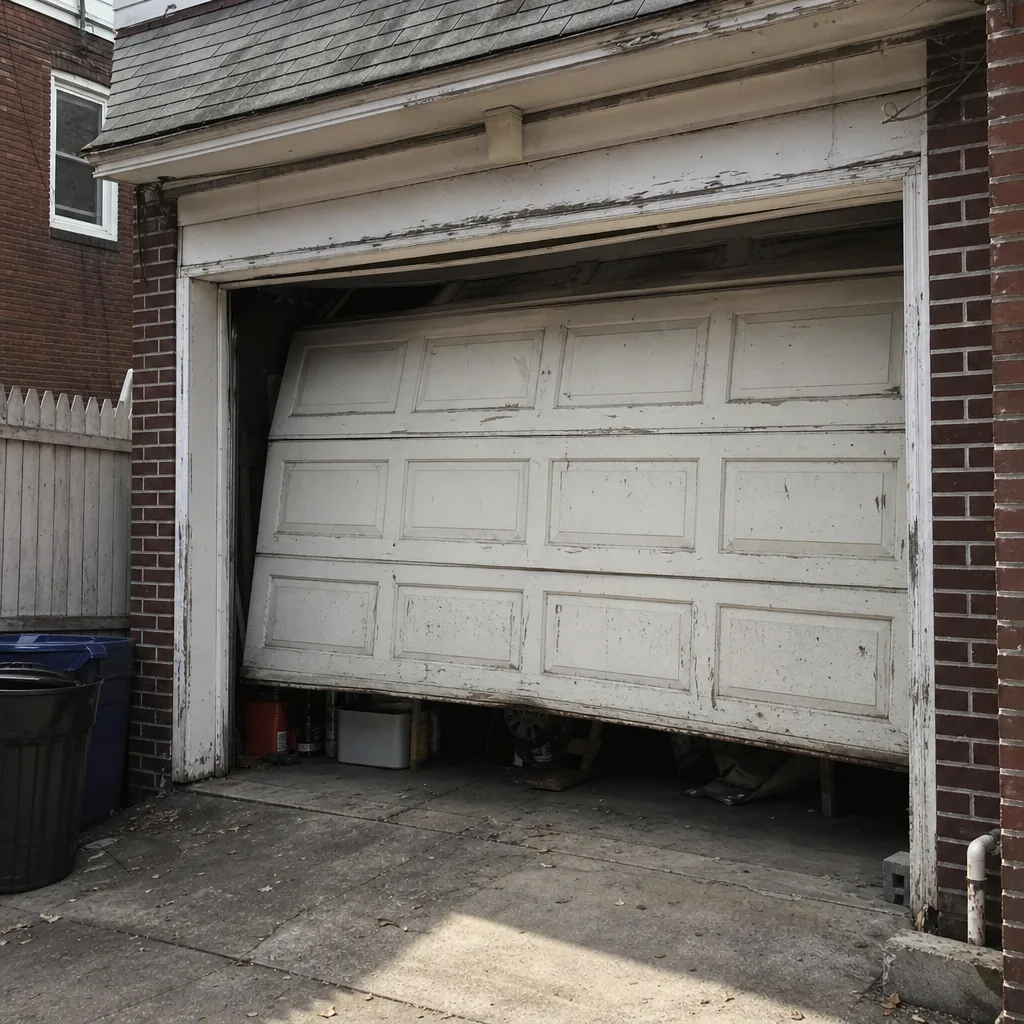 Before
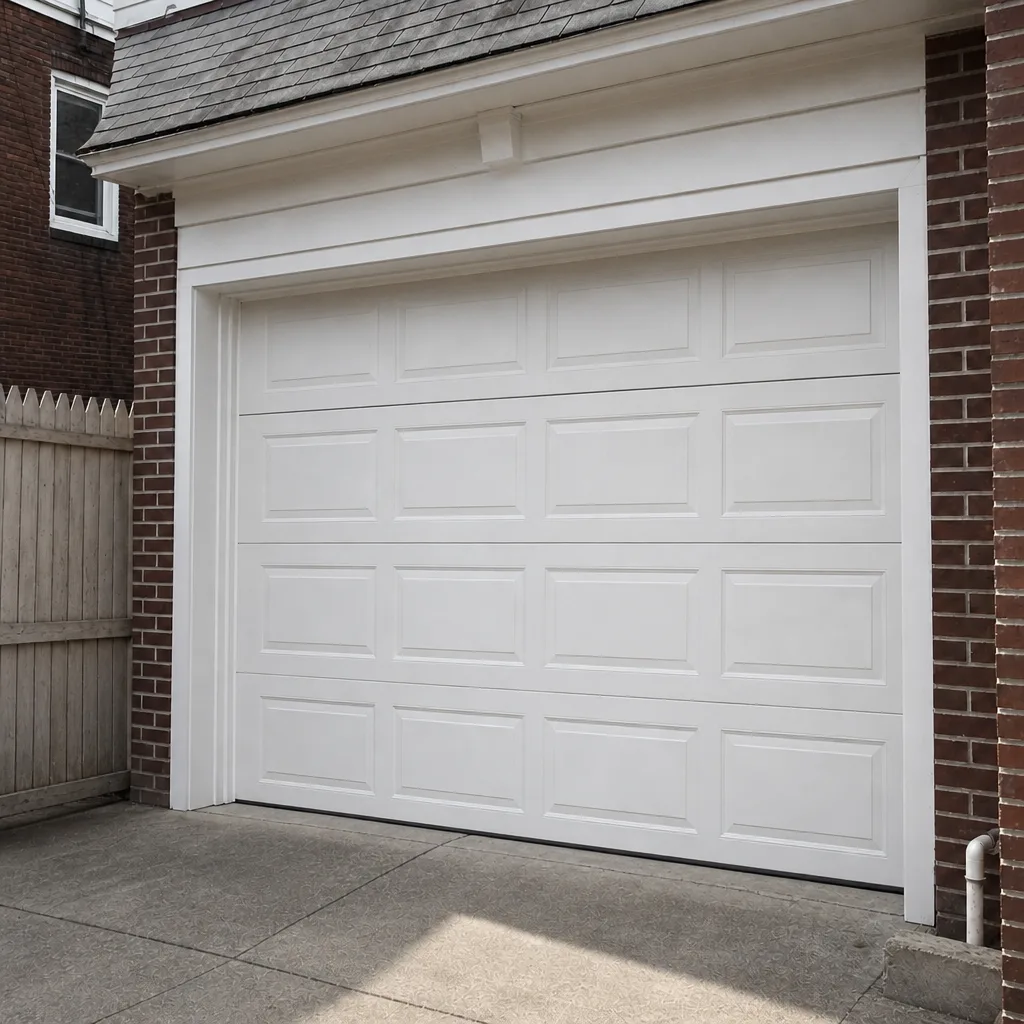 After
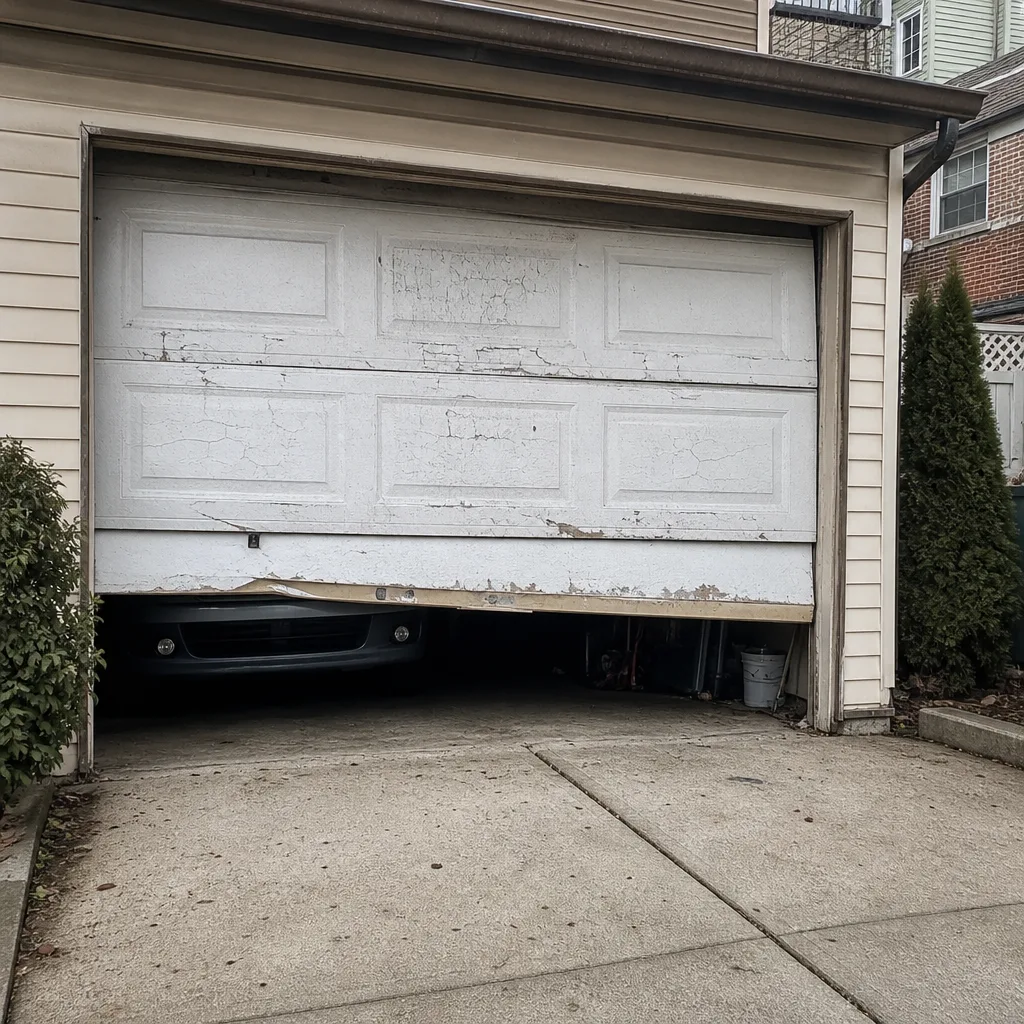 Before
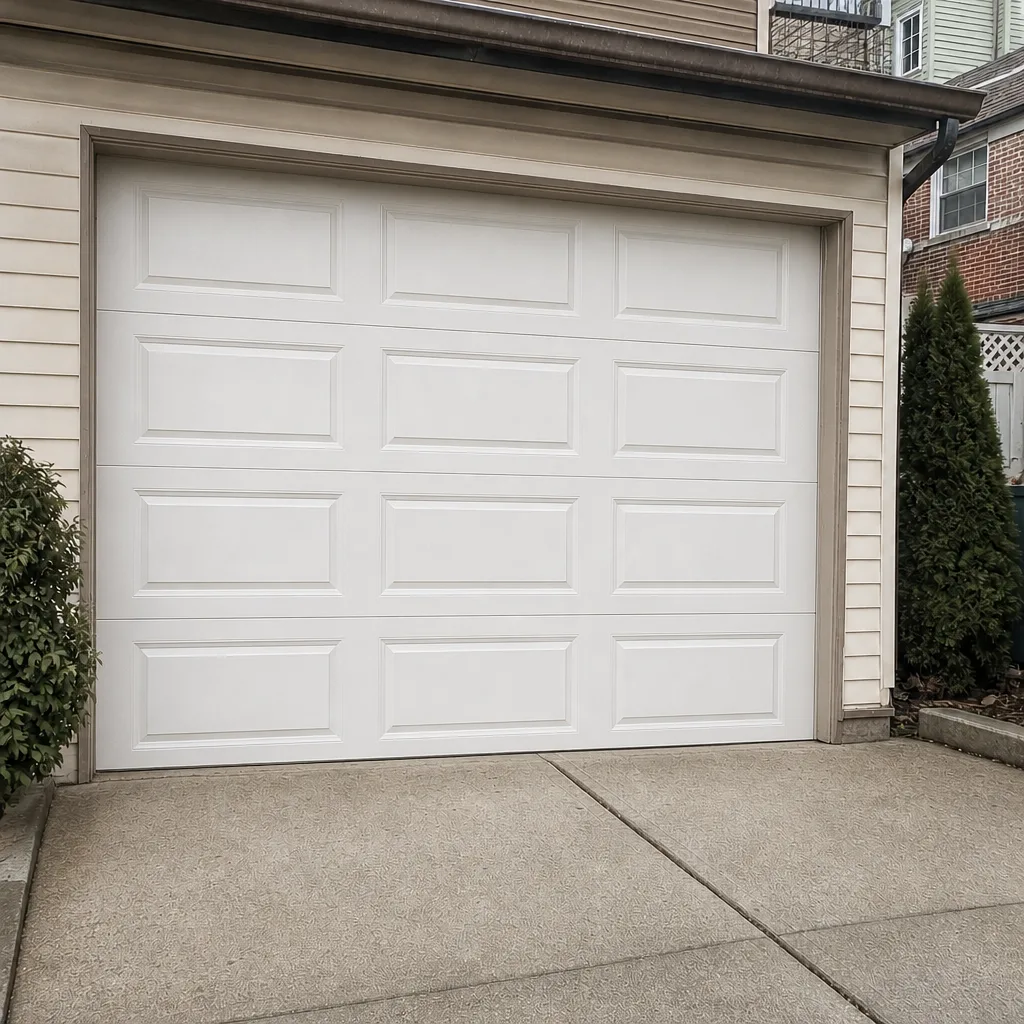 After
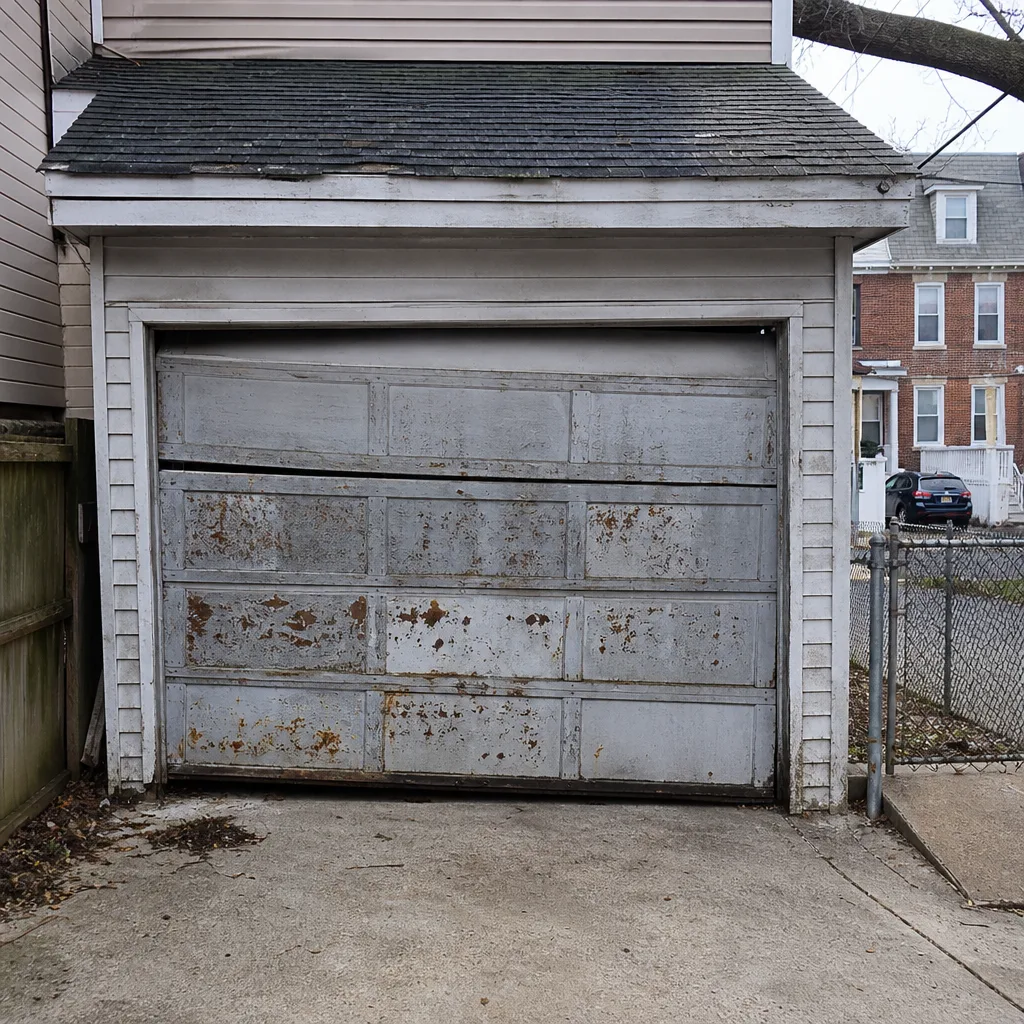 Before
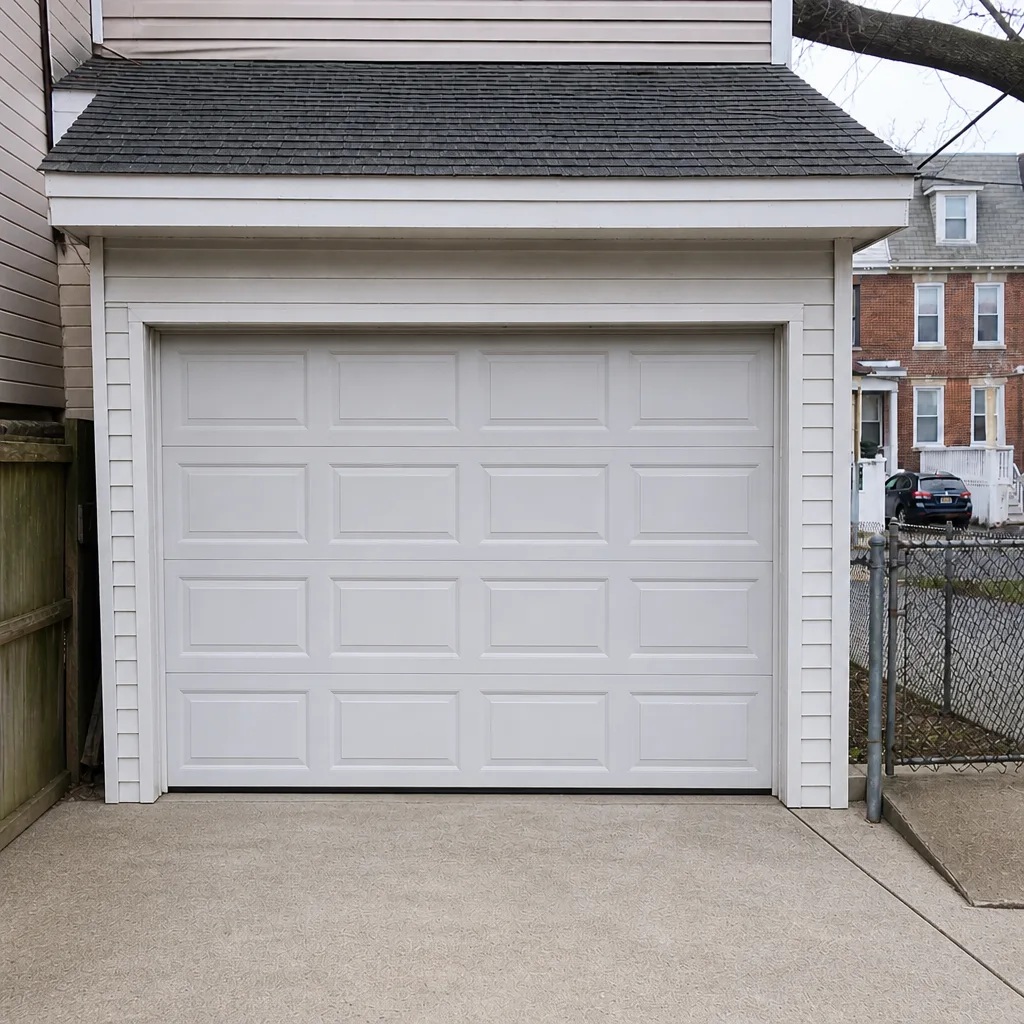 After
The Bottom Line
Garage door problems are easier to solve when you sort them by system instead of by symptom. Springs and cables are high-tension components – stop and call. Tracks, sensors, and openers are areas where careful troubleshooting saves time and money. In Fishtown, older rowhome garages add settled frames and tight clearances to the picture, so alignment and sensor placement deserve a closer look. Photograph what you can, describe what changed, and let the diagnosis start with good information. Whether it’s a reversing door or a stuck one, our garage door installation and repair team can help.
Contact Us
When your door won’t move or a symptom crosses into danger territory, call (833) 468-3037 for a free estimate. We answer 24/7. Fast dispatch from 7am to 7pm, Sunday through Friday. We work on the brand already in your garage, with technicians experienced across LiftMaster, Chamberlain, Genie, and Clopay systems. The price is quoted and agreed before any work starts. One call covers diagnosis, repair, and follow-through.
Written by the team at Garage Door Repair Fishtown.