
Last updated November 21, 2026
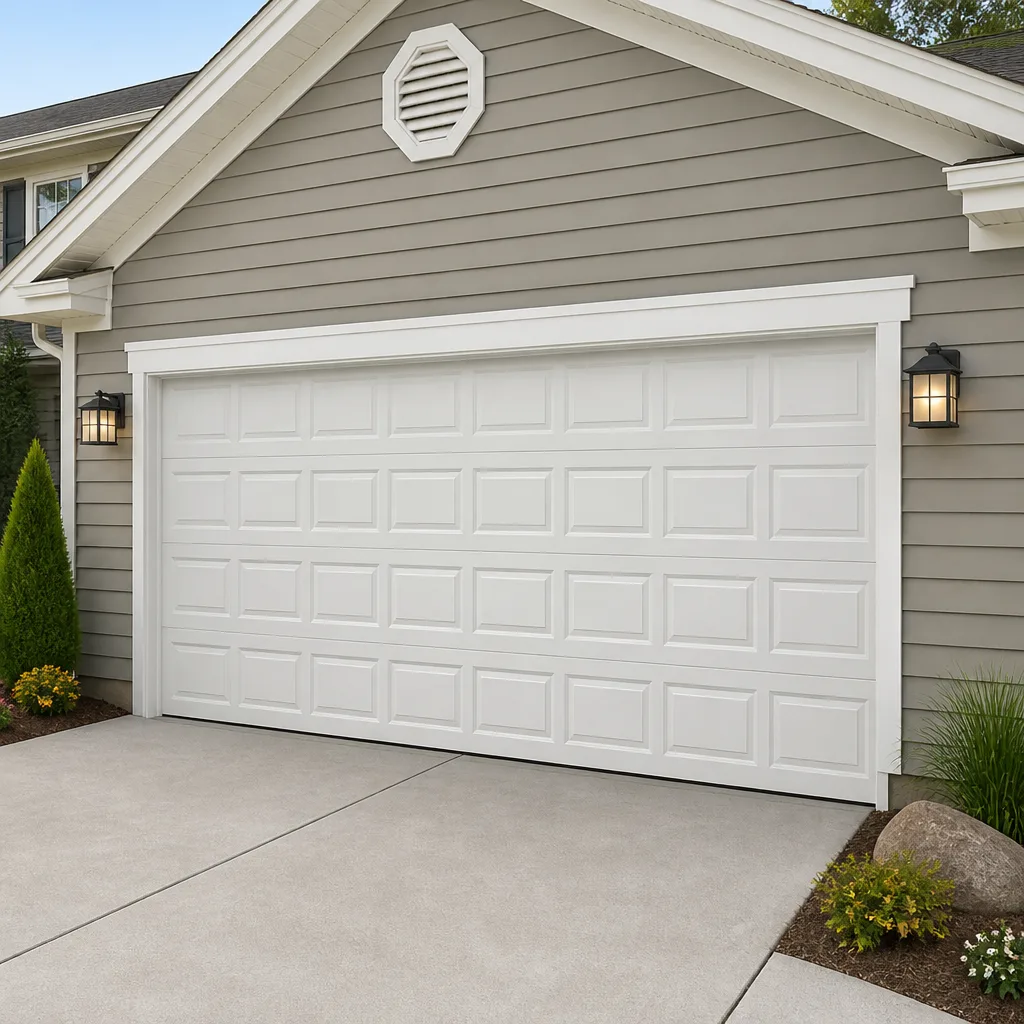 Raised-panel steel
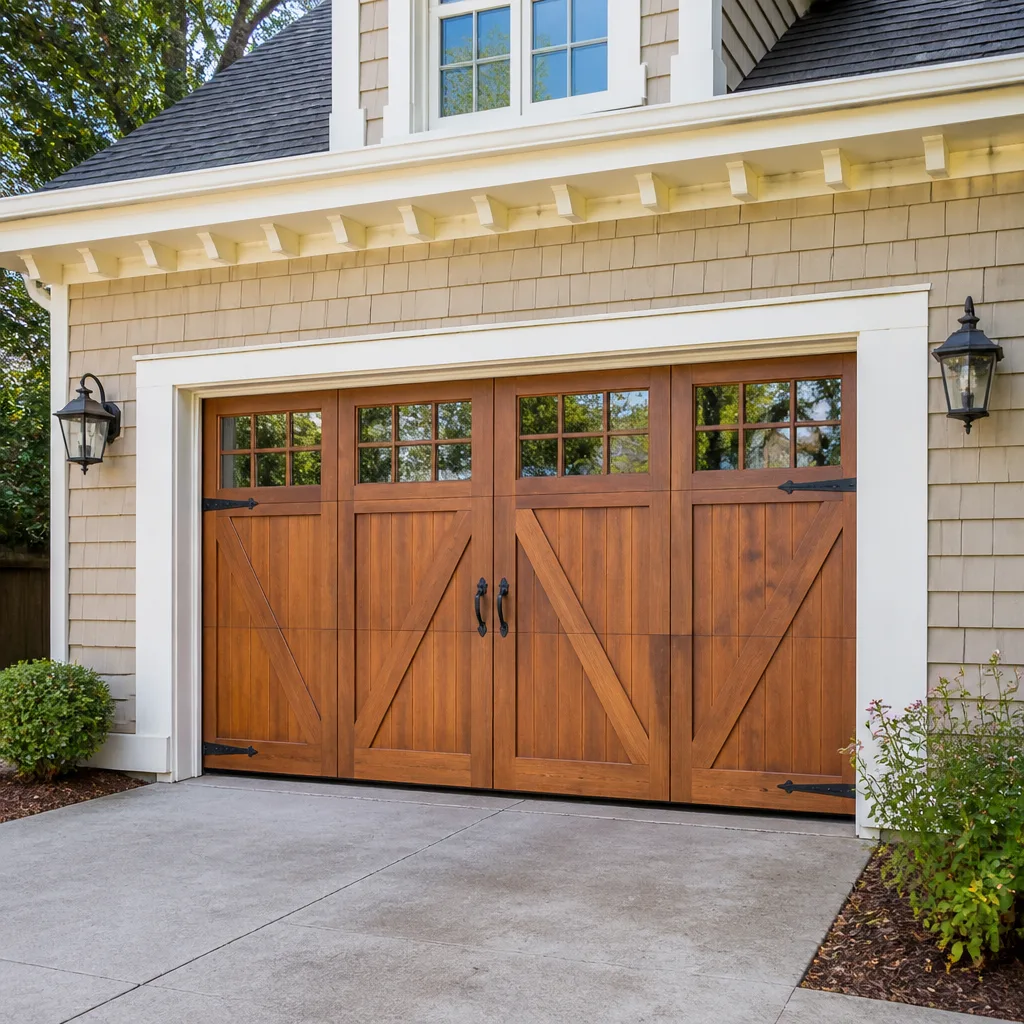 Carriage house
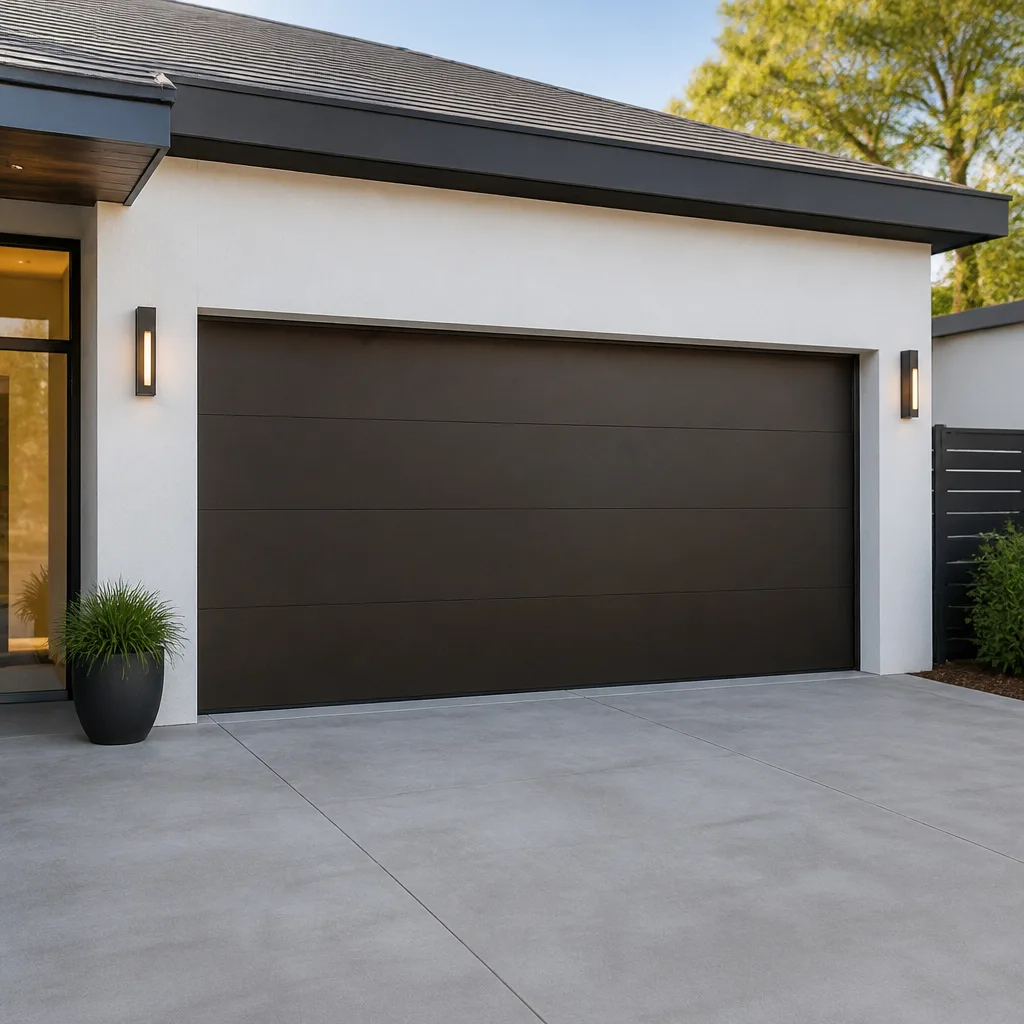 Modern flush
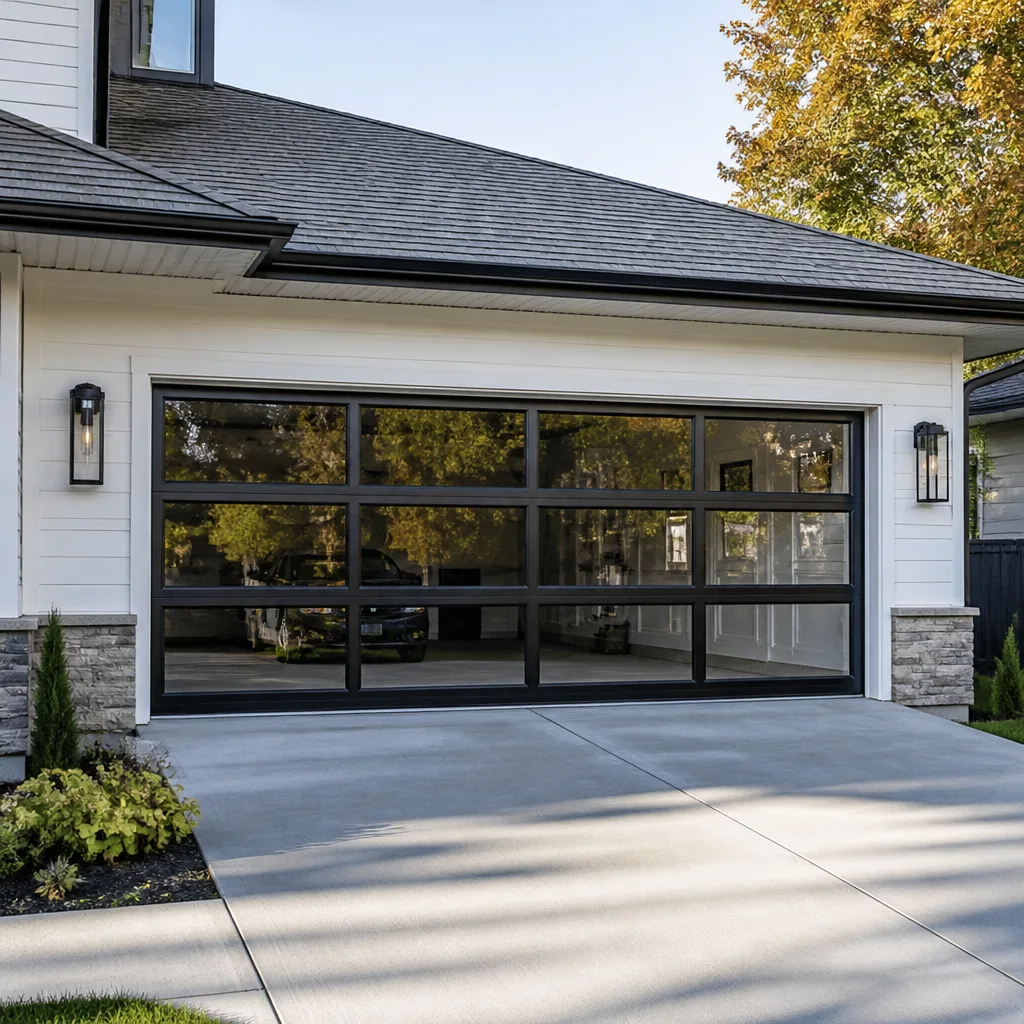 Full-view glass
 LiftMaster openers
 Chamberlain openers
Full 25-point door and opener safety check with every visit - springs, cables, rollers, tracks, and your LiftMaster or Chamberlain opener included
You get a price before we start. It does not change when the pro arrives.
Get your free estimateGarage Door Warning Signs: A Fishtown Homeowner’s Reference Guide
Most garage door failures don’t arrive without warning. They arrive after weeks of warnings nobody recognized. A door that hesitates for half a second before it lifts isn’t simply old: it’s telling you one of three specific things, and each one leads down a different repair path with a different level of urgency. Grinding, squeaking, popping and banging each point to a different component. A cable starting to fray, a roller worn flat, a track bent a few degrees off true: these are visible signs that the door is drifting out of adjustment long before it stops moving entirely. This guide teaches you to read those signals the way a technician does, so you can describe the problem accurately, judge how fast you need to act, and stop a small misalignment from turning into track and panel damage. We work on garage doors across Fishtown every week, and the pattern is consistent: the homeowners who catch the early cues spend far less and lose far less use of their door.
Quick Answer
The warning signs that matter most are a door that hesitates or stutters before moving, uneven rising where one side lags, a door that reverses before fully closing, grinding or popping sounds, and visible cable fraying, flat-spotted rollers, or bent track. Grinding usually means a worn roller or a dry, failing bearing; popping often points to a torsion spring or a cable under tension; a reversing door is usually a safety-sensor or travel-limit issue. Any sign involving a frayed cable, a snapped spring, or a door that won’t stay up on its own is a stop-using-it-now signal. Everything else can usually be scheduled within the week.
Styles & brands we work with
- Raised-panel steel
- Carriage house
- Modern flush
- Full-view glass
- LiftMaster openers
- Chamberlain openers
Table of Contents
- Mapping the Sound to the Cause
- What the Warning Looks Like: Visual Cues
- Movement Anomalies and What They Mean
- Urgency Triage: What to Schedule and What to Stop
- The Cascade Failure Pattern
- Opener Warning Signs Specific to Smart and Legacy Systems
- Fishtown Weather and the Seasonal Wear Cycle
- How to Describe the Problem When You Call
Mapping the Sound to the Cause
Sound is the fastest diagnostic tool you have, and it’s free. Before you touch anything or call anyone, listen to the door through one full open-and-close cycle and name what you hear. In our experience, four sounds account for the overwhelming majority of garage door calls, and each one maps to a distinct component.
- Grinding. A rough, metallic scrape that follows the door the whole way usually means a roller has seized or a bearing is dry. It’s a wear issue, and it worsens steadily. Grinding is the sound of metal removing metal, so it moves from “worth scheduling” toward “damaging the track” the longer you leave it.
- Squeaking. A high, rhythmic squeal is usually friction at the rollers, hinges or the torsion shaft. Squeaking is the mildest of the four and the most forgiving, but a persistent squeal on one side often signals a roller that’s stopped rolling and started dragging.
- Popping. A sharp pop, especially at the start or end of travel, often points to the torsion spring or the cables. A single loud pop followed by the door feeling suddenly light or refusing to lift is the classic sound of a spring letting go. This is the sound that most often means stop using the door.
- Banging. A heavy thud as the door hits the end of its travel usually means the opener’s travel limits or the door’s balance are off, so the door is slamming into the floor or the header instead of easing home. Left alone, banging loosens hardware and stresses the opener’s gears.
Listen to the door twice, once opening and once closing, and note whether the sound is constant or tied to one spot. That single detail tells a technician a lot about whether the cause is a roller (constant) or a specific track section (spot). Fishtown homes with older single-car doors often produce a lower, softer grind at the start of travel, which is usually the shoulder of a track that’s drifted slightly out of alignment.
What the Warning Looks Like: Visual Cues
You don’t need tools to spot the visual warning signs, just a flashlight and a few minutes at the door. Look at three things in order: the cables, the rollers, and the track. These are the components that fail progressively, and each fails in a way you can see before it becomes a stuck door.
Frayed cables
A healthy cable is one continuous, tight, evenly wound strand. What a failing cable looks like is unmistakable once you know it: stray wire ends poking out of the cable run, a fuzzy or “bird-caged” section near a drum or the bottom bracket, or a cable that looks slack where it should be under tension. Cables are under severe load. A frayed cable is not a wait-and-see item; it’s a stop-using-the-door item.
Worn rollers
Rollers live in the track channel and should turn freely and look round. A worn roller looks flat-spotted, cracked, or visibly loose in its stem, and it often sits slightly askew in the track. When a roller stops rolling, the door slides metal on metal and the friction accelerates wear on everything around it.
Bent track
Run your eye along the track from floor to header. A healthy track is straight and its two faces are parallel. A track starting to fail shows a visible kink, a section that’s been pushed out of line, or a gap between the track and the door’s edge that changes along the length. A bend a few degrees off true can still let the door run today and jam it solid next month. Track that’s been struck, or that a car has nudged, is the usual culprit.
If you find any of these, resist the urge to bend the track back or tighten hardware yourself. Track and spring work are high-tension; the adjustments are small, precise, and easy to get wrong in a way that makes the door dangerous. That’s the point at which a professional call is cheaper than the alternative.
Movement Anomalies and What They Mean
Movement is where the door tells you what’s out of balance. Watch the door travel its full cycle from the side, at eye level, and check for three specific anomalies. Each has a distinct cause and a distinct urgency level.
- Uneven rising, one side lagging or dropping. If one corner of the door reaches the top a beat before the other, the door is out of balance or out of level. Common causes are a stretched or mis-tensioned spring on one side, a worn roller on the lagging side, or a track that’s lost its alignment. A door that drops on one side is a major misalignment warning, not cosmetic.
- Shuddering on descent. A door that shudders or vibrates as it comes down is usually telling you about a binding roller, a dry or dying bearing, or a track that’s pinching the door. Shuddering is the most common sign homeowners bring up, and it’s one of the most reliably scheduled-within-the-week issues rather than a stop-now problem.
- Reversing before it fully closes. A door that touches the floor, or nearly does, then reverses back up is usually a safety-sensor or travel-limit issue. The opener’s safety eye may be misaligned, dirty, or blocked, or the close-force limit is set too sensitive. This is a safety-device problem, and a door that won’t reliably close leaves the home unsecured, so it deserves prompt attention.
Watch for hesitation, too: a half-second pause before the door starts to move is a warning in itself. It usually means the opener is working against resistance, and the cause is generally one of three things: a binding roller, an unbalanced door, or an opener that’s failing to engage its drive. That single hesitation is a strong cue to have the door looked at before it stops moving entirely on a morning you need to leave.
Urgency Triage: What to Schedule and What to Stop
Sorting warning signs into three buckets is the single most useful thing you can do after reading your door. Here’s how we triage them.
Stop using the door now
- A loud pop followed by the door feeling light or refusing to lift: a spring has likely failed. Springs are under extreme tension and are not a DIY repair.
- Visible cable fraying, a slack cable, or a cable off the drum.
- A door that will not stay up on its own when you lift it partway.
- Hardware that’s come loose or a bottom bracket that looks separated from the panel.
For these, leave the door down if you can and secure it, then call. Don’t pull the door up to inspect the spring. The spring and its cables are the most dangerous parts of the whole system.
Schedule this week
- Grinding or constant squeaking that grows louder.
- A door that shudders on descent or hesitates before moving.
- A track that’s visibly off line but still lets the door run.
- A single flat-spotted or cracked roller.
These signs are progressive, and a scheduled visit avoids the cascade. This is where garage door repair pays for itself, because fixing a roller or a track alignment now prevents the panel and track damage that comes later.
Monitor and mention at the next visit
- Mild, intermittent squeaking that quiets once the door warms up.
- A door that’s slightly noisier in one season than another.
- Cosmetic wear on panels or a loosening hinge screw.
These aren’t emergencies, but noting them keeps you ahead of the curve. If you own a rental or manage property in Fishtown, put the “schedule this week” items on a recurring check so they don’t get missed.
The Cascade Failure Pattern
Here’s the pattern that turns a modest repair into a big one: a small misalignment rarely stays small. It feeds on itself, and the damage accelerates with every cycle. Understanding the chain is the best reason to act early.
- It starts with one out-of-adjustment component. A roller wears flat, a track drifts a few degrees, or a spring loses a little tension on one side. The door still opens and closes, so it’s easy to ignore.
- The door starts dragging. The misaligned part adds resistance, so the door runs less smoothly. The extra friction loads the opposite side unevenly.
- Wear spreads to the track and rollers. Uneven travel grinds the rollers against the track faces. The track begins to bow or kink, and the door’s panels start to flex as they pass the bad section.
- The opener fights the whole system. The opener is now working harder every cycle. It strains its gears and drive, and the door’s travel limits drift, causing it to slam or reverse.
- The door stops mid-travel or jams. Eventually the combination of a binding track and a strained opener leaves the door stuck, often when it’s least convenient.
The key insight: the expensive part of the job is usually the later steps. Correcting a track alignment or swapping a roller early stops the chain at step one. Waiting lets the door grind through a full replacement of the track and opener instead. On Fishtown’s older housing stock, where doors are often original and tracks have seen years of use, this cascade is a routine outcome of small problems left alone.
Opener Warning Signs Specific to Smart and Legacy Systems
The opener has its own vocabulary of warnings, and it helps to know which brand you’re working with. We work on the brand already in your garage, and we know the leading openers by their behavior. Craftsman and LiftMaster units tend to give clear, consistent signals; Chamberlain and Raynor openers each have their own quirks when a part starts to fail. Two families of opener warn differently.
Legacy openers
- Grinding or whining from the opener head, usually a worn gear or drive.
- The door reversing, or stopping partway, from drifting travel limits or a failing safety sensor.
- The remote or wall button working intermittently, often a stale logic board or a failing receiver.
- A door that runs but doesn’t actually move: the opener is engaging but the door’s resistance is too high.
Smart and connected openers
- The app showing the door as open when it isn’t: a sensor or communication issue.
- An opener that won’t respond to the app but works from the wall button: a connectivity or pairing problem.
- Firmware or pairing issues after a router change.
- Battery or sensor errors that flag on the app panel before the door ever misbehaves.
When a smart opener misbehaves, the fix is usually not a factory reset. It’s a targeted repair: reseating a sensor, correcting a travel limit, or replacing the failing component. If the opener needs more than a repair, we handle full garage door opener repair and can advise on whether a repair or a replacement is the right call. For a newer door with a newer opener, a fresh garage door installation is worth discussing if the frame and spring system are already beyond saving.
Fishtown Weather and the Seasonal Wear Cycle
Garage doors live outdoors, so they take the local weather full-force. Fishtown’s mix of humid summers and cold, damp winters works on a door’s components year-round, and the warning signs often cluster with the seasons. Knowing the cycle helps you know when to look.
- Summer humidity. Warm, humid air can rust rollers and hinges and swell wood frames and panels. Doors that squeal in July are often just thirsty metal and worn rollers. It’s the best time to catch a roller before it seizes.
- Autumn temperature swings. As the mercury drops, metal contracts and tolerances tighten. A door that was fine in August can start grinding or hesitating on the first cold mornings, because the track shrinks and the rollers get tighter in the channel.
- Winter cold and damp. Cold, wet conditions are hard on springs and cables. A door that feels heavier in January is telling you the balance system is strained. Winter is also when a marginal spring gives out, so a seasonal listen in late fall is worth the few minutes.
- Spring thaw. The freeze-thaw wetness and rising humidity get hardware moving again. Loose screws and hinges often show up here as new rattles or pops that weren’t there a month before.
Fishtown’s housing has its own rhythm too: doors on brick-front rowhouses and older converted buildings tend to have original or long-served tracks and frames. That means the seasonal cycle matters more here than on newer construction, and a quick listening check each time the seasons turn is the simplest habit for staying ahead. The weather doesn’t cause a component to fail all at once; it exposes the wear that was already there.
How to Describe the Problem When You Call
A clear description gets you a faster, more accurate diagnosis, and it helps a technician bring the right part. When your door starts talking, write down what you observed before you call. A short list beats a vague description every time.
- What sound you hear, and when. “Grinding the whole way up,” “one pop at the start,” “squeak on one side only.”
- What the movement does. “One side lags,” “shudders coming down,” “touches the floor then reverses.”
- What you can see. Frayed cable, flat roller, kinked track, loose panel.
- The brand of the door and opener. Craftsman, LiftMaster, Chamberlain, Raynor, or whatever you find on the label. It helps us arrive prepared.
- How long it’s been happening. A two-day squeak and a two-month grind get different weight in triage.
- Whether the door still moves safely. Tell us if it won’t stay up or if you’re avoiding it.
This last point matters most. If you’re unsure whether it’s safe to run the door, describe what you see and let us help you judge. When your door won’t move, we move fast, and the clearer the description, the faster the fix. For a stuck door on a day you can’t get the car out, that head start matters.
Common Mistakes to Avoid
- Assuming a “loud door” is just old. Noise is information. Grinding, popping and banging each point to a specific component, and treating them as normal ages them faster and makes the eventual repair bigger.
- Waiting for the door to stop working before calling. The earliest signs, like a slight hesitation or a single noisy roller, are the cheapest to fix. The door stopping mid-travel is the most expensive moment to act.
- Trying to fix a spring or track yourself. Springs are under extreme tension, and a track adjustment that’s a few degrees off can jam the door in a way that’s hard to undo. These are the jobs that cause serious injury, and they belong with a trained professional.
- Tightening every screw and hinge you can reach. Over-tightening hardware can strip fasteners and pull panels out of line. It feels productive and often makes a misalignment worse.
- Ignoring a frayed cable because the door still opens. A frayed cable is a failed safety barrier in progress. It can snap without a second warning, so treat any visible stray wire as a stop-using sign.
- Letting a season pass without listening to the door. In Fishtown, where older doors see real seasonal stress, a two-minute listen when the weather turns catches the wear that a call can’t fix later.
- Assuming a reversing door is just a glitch. A door that reverses before closing is a safety-device or limit issue. If it won’t reliably close, the home is unsecured, so it deserves prompt attention rather than a shrug.
See the difference
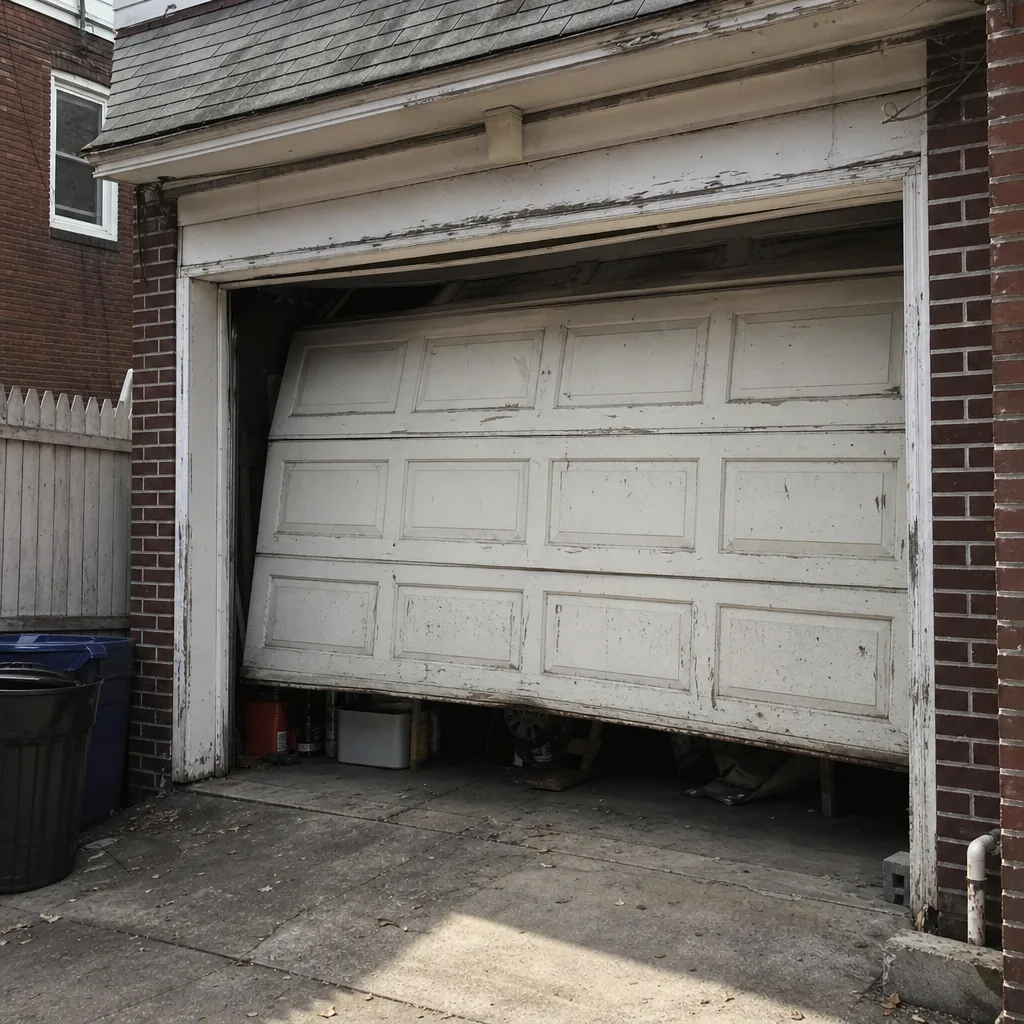 Before
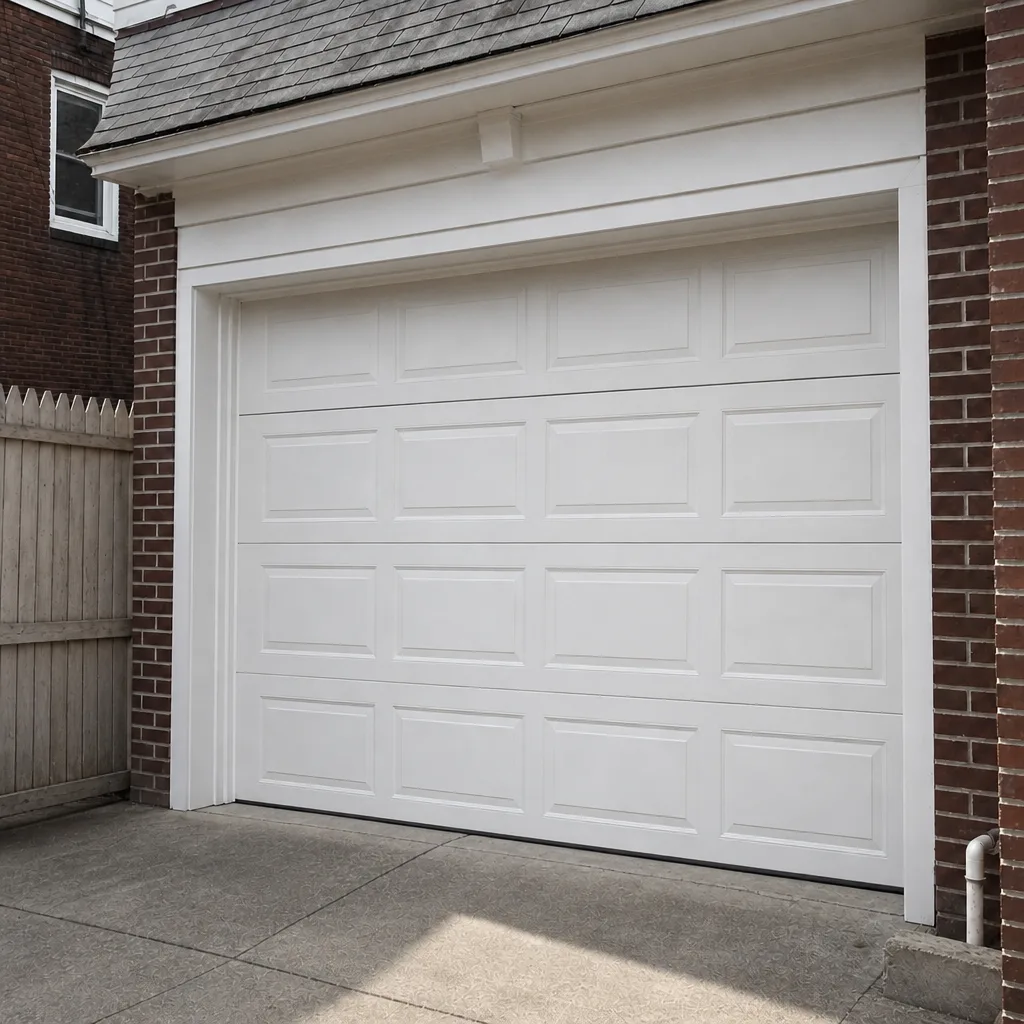 After
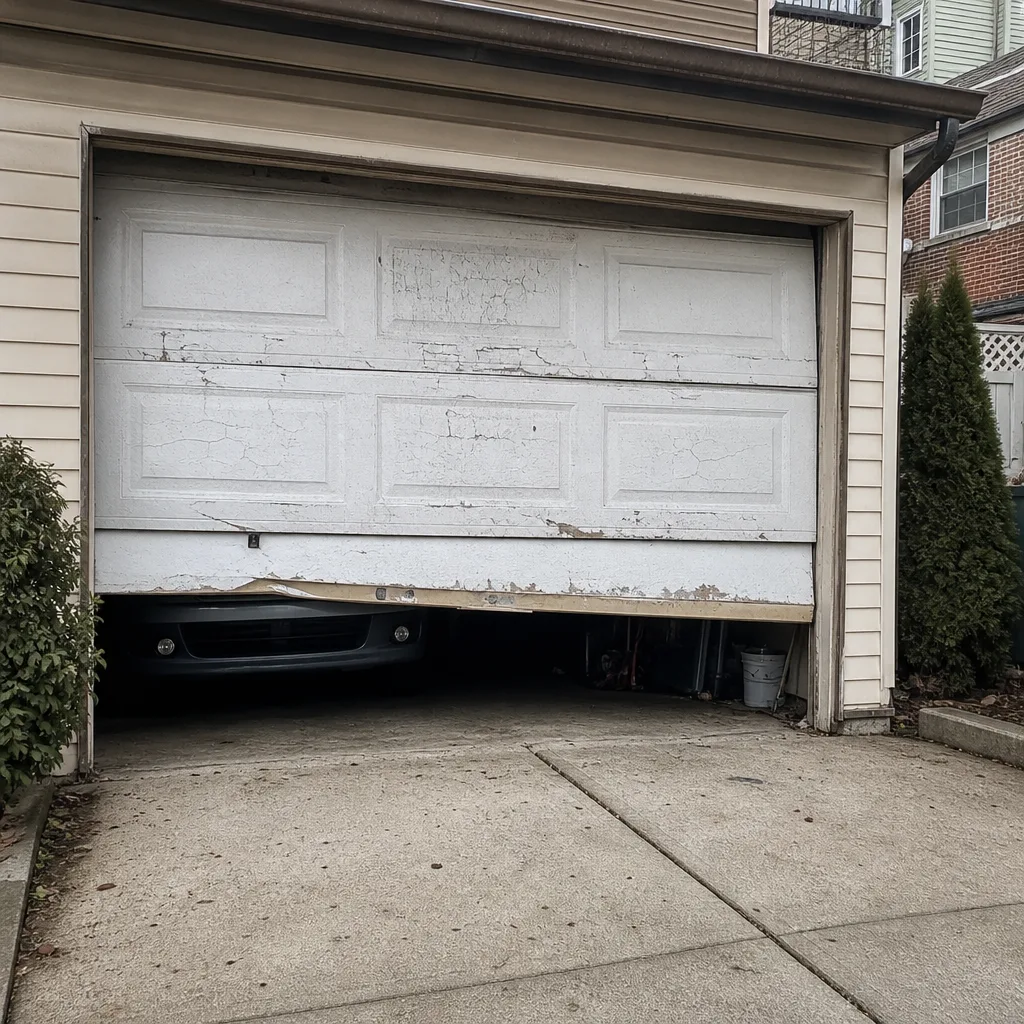 Before
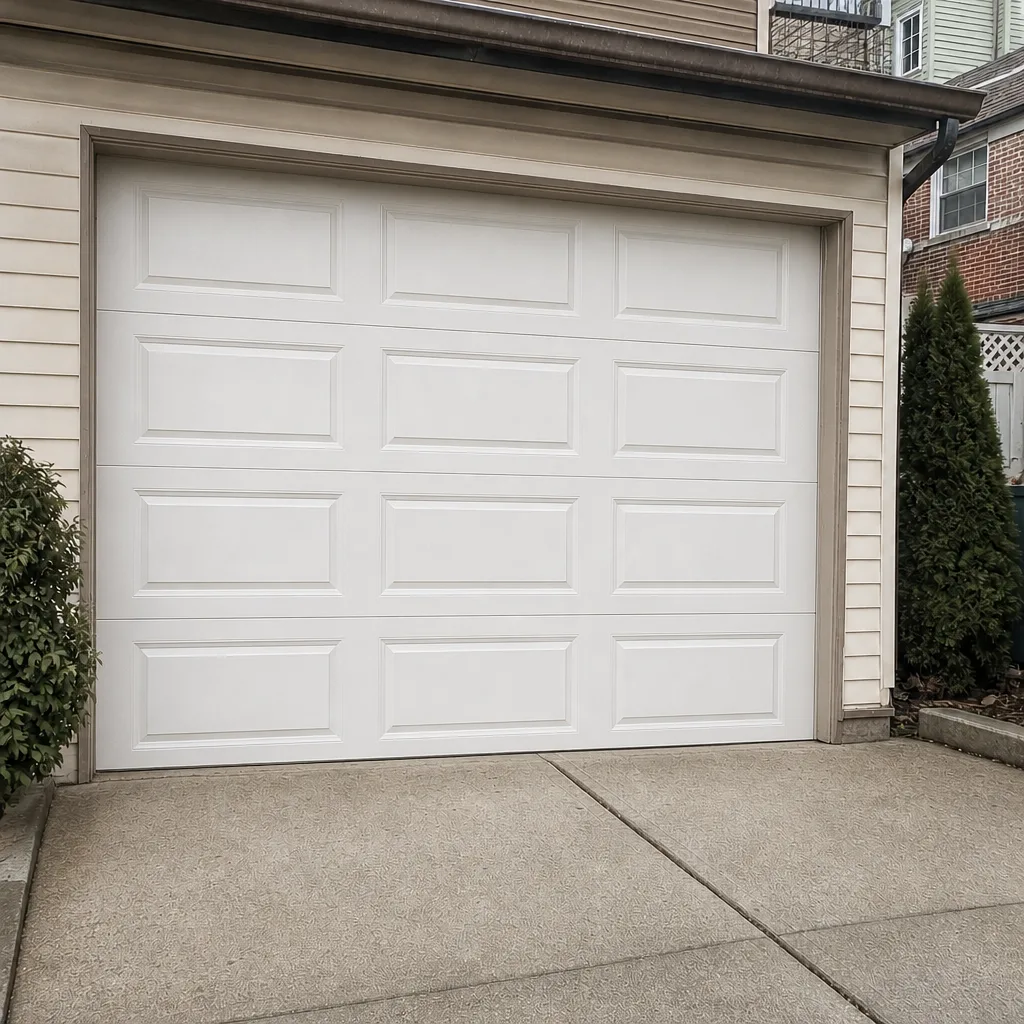 After
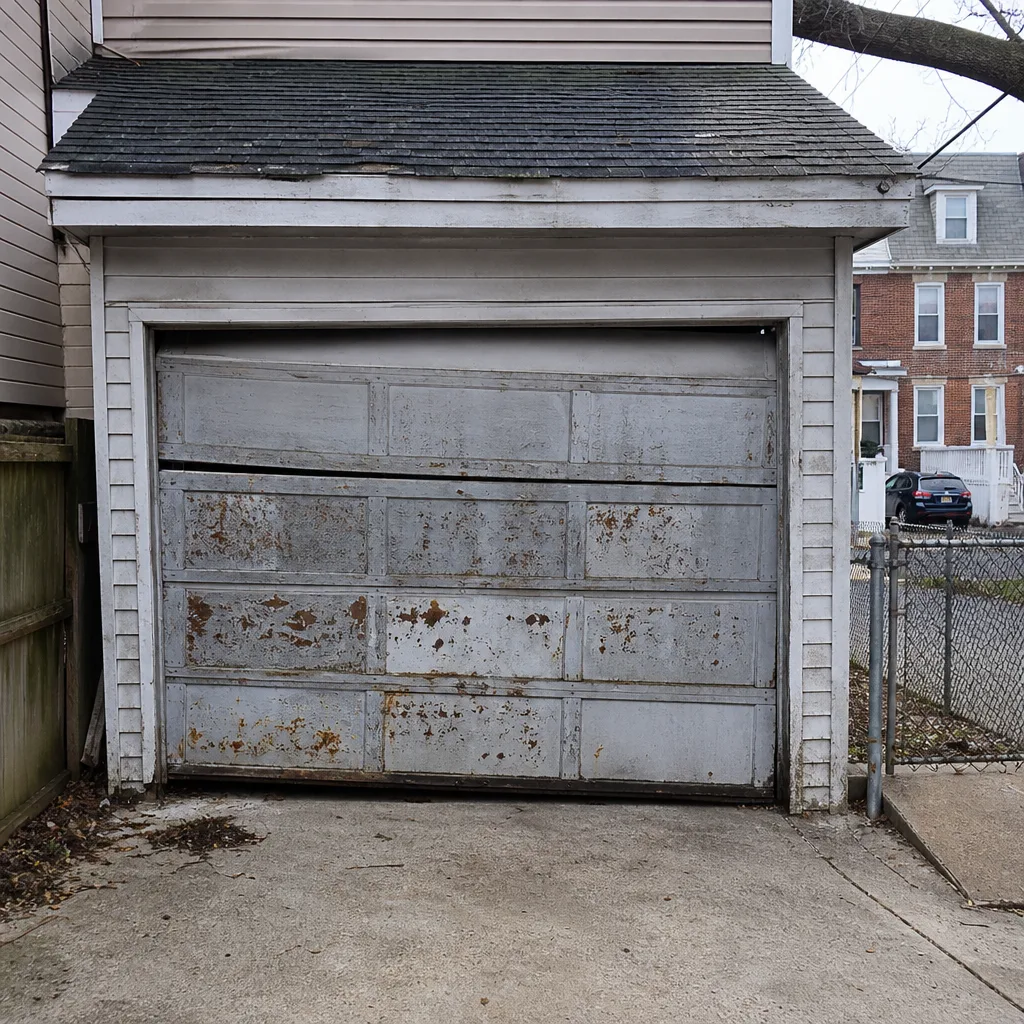 Before
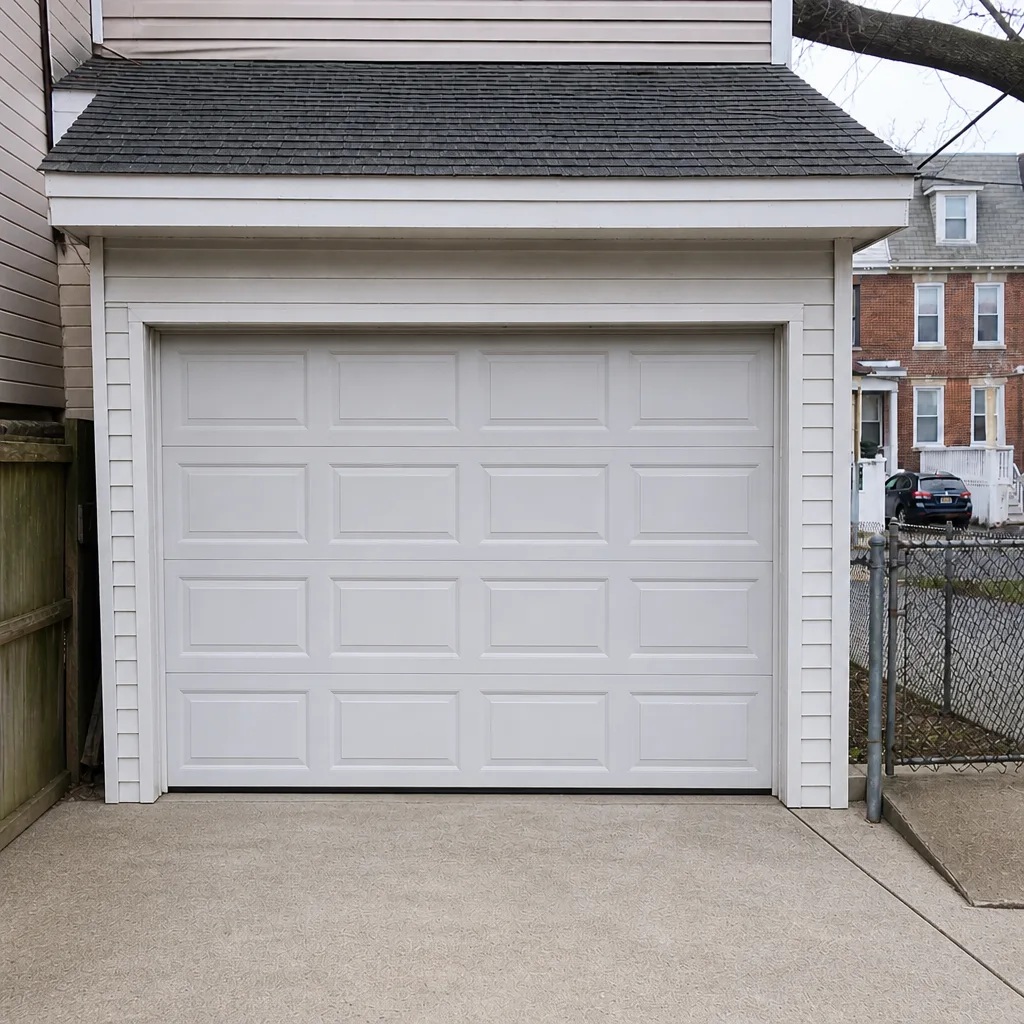 After
When to Call a Professional
Call a professional when the sign you’re seeing involves a spring, a cable, a track adjustment, or an opener that’s struggling against resistance. Those are the cases where experience and the right tools matter, and where a mistake can be dangerous. Also call when a door hesitates, reverses, or shudders in a way you can’t explain, because a clear description over the phone helps us decide whether you’re safe to use the door until the visit. Garage Door Repair Fishtown offers free estimates in Fishtown. Call (833) 468-3037. We answer 24/7, and our fast dispatch from 7am to 7pm, Sunday through Friday, gets a technician to the urgent cases quickly. Our technicians have up to 11 years of experience working on the brand already in your garage, and we can work with your insurer if a repair is part of a larger claim. If your car is trapped or the door won’t stay shut, call right away and we’ll get you booked. Your written estimate sets the price, and we quote and agree it before any work starts.
Frequently Asked Questions
The most common are grinding or squeaking on travel, a door that hesitates before moving, uneven rising, shuddering on descent, and a door that reverses before closing. Visible cable fraying, flat-spotted rollers and kinked track round out the list. Any sign involving a spring, a cable, or a door that won’t stay up should be treated as a stop-using-the-door issue, while grinding and shuddering can usually be scheduled. Call (833) 468-3037 for an exact assessment.
A hesitation usually means the opener is working against resistance, and it typically points to a binding roller, an unbalanced door, or an opener that’s failing to engage its drive. It’s an early sign worth a look before the door stops entirely. We can talk it through over the phone to help you judge urgency. Call (833) 468-3037 for a free estimate.
No. Springs are under extreme tension and are a safety-critical component that should only be handled by a trained professional. We offer spring repair as a core service, and it’s not work for a homeowner or a generalist. Don’t try to remove or adjust a spring; call (833) 468-3037 and we’ll dispatch a technician.
A fraying cable shows stray wire ends, a fuzzy or bird-caged section near a drum or bottom bracket, or slack where it should be tight. Any of these is a stop-using-the-door signal because a cable is under heavy load and can snap. Call (833) 468-3037 and we’ll get a technician out to assess it.
A door that reverses before fully closing usually has a safety-sensor or travel-limit issue on the opener. The safety eye may be misaligned, dirty, or blocked, or the close-force limit is set too sensitive. Because the door won’t reliably close, the home is unsecured, so it deserves prompt attention. Call (833) 468-3037 for a same-day look.
Fishtown’s humid summers and cold, damp winters do accelerate wear on springs, cables and rollers, and the temperature swings tighten tolerances on the track. That’s why warning signs often cluster with the seasons, and why a quick listening check when the weather turns catches problems early. If it’s been a while, call (833) 468-3037 for a free estimate on a seasonal check.
The Bottom Line
Your garage door tells you it’s failing long before it fails, and the signs are specific: a hesitation before moving, grinding or popping sounds, uneven rising, shuddering on descent, a reversing door, and visible cable, roller or track wear. Learn to read them and you’ll catch most problems while they’re still small, cheap fixes. Treat any sign involving a spring, a cable, or a door that won’t stay up as a stop-using-it-now signal and call a trained professional, because those components are under extreme tension. Sort everything else by urgency: schedule this week or monitor. The cascade from one out-of-adjustment part to a jammed door and a strained opener is real, and it’s avoidable. When you’re ready, call (833) 468-3037 for a free estimate. We answer 24/7, and the written quote is the price.
Written by the team at Garage Door Repair Fishtown.