
Last updated November 21, 2026
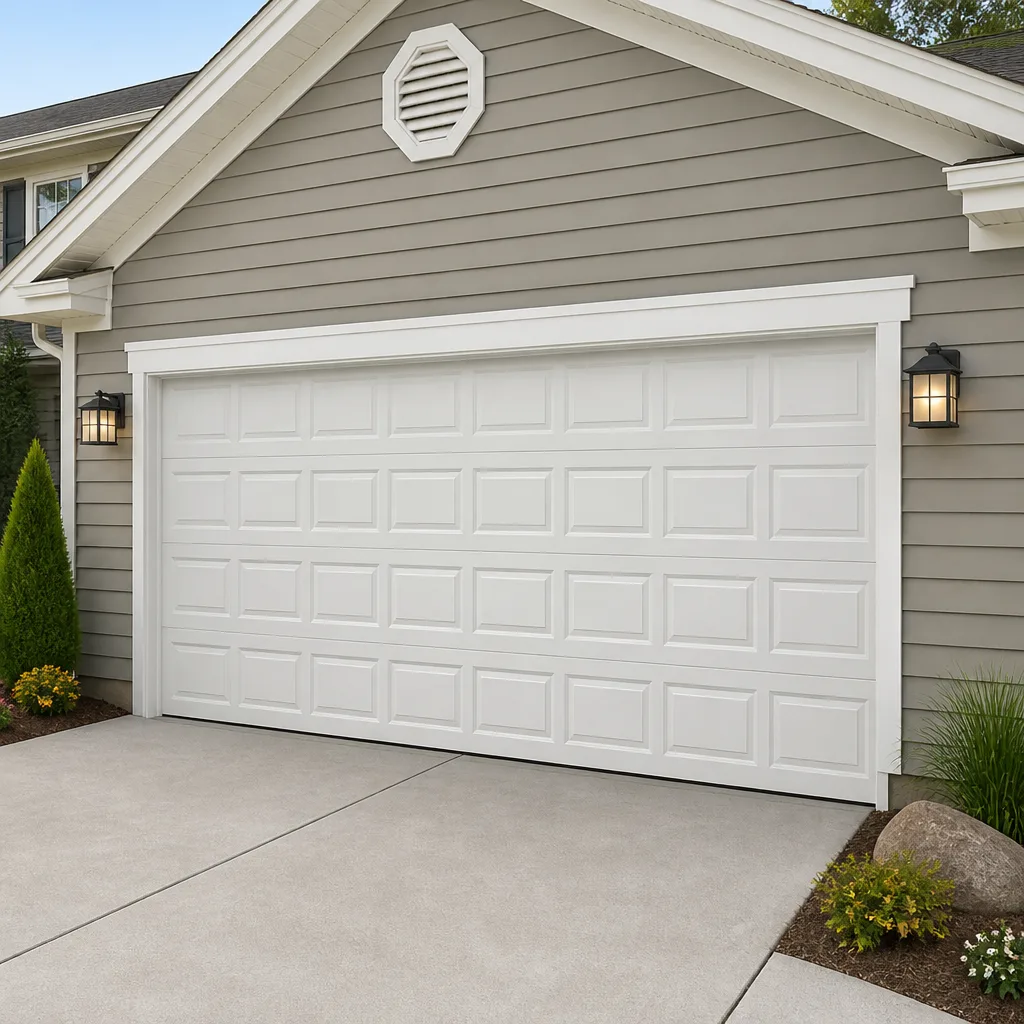 Raised-panel steel
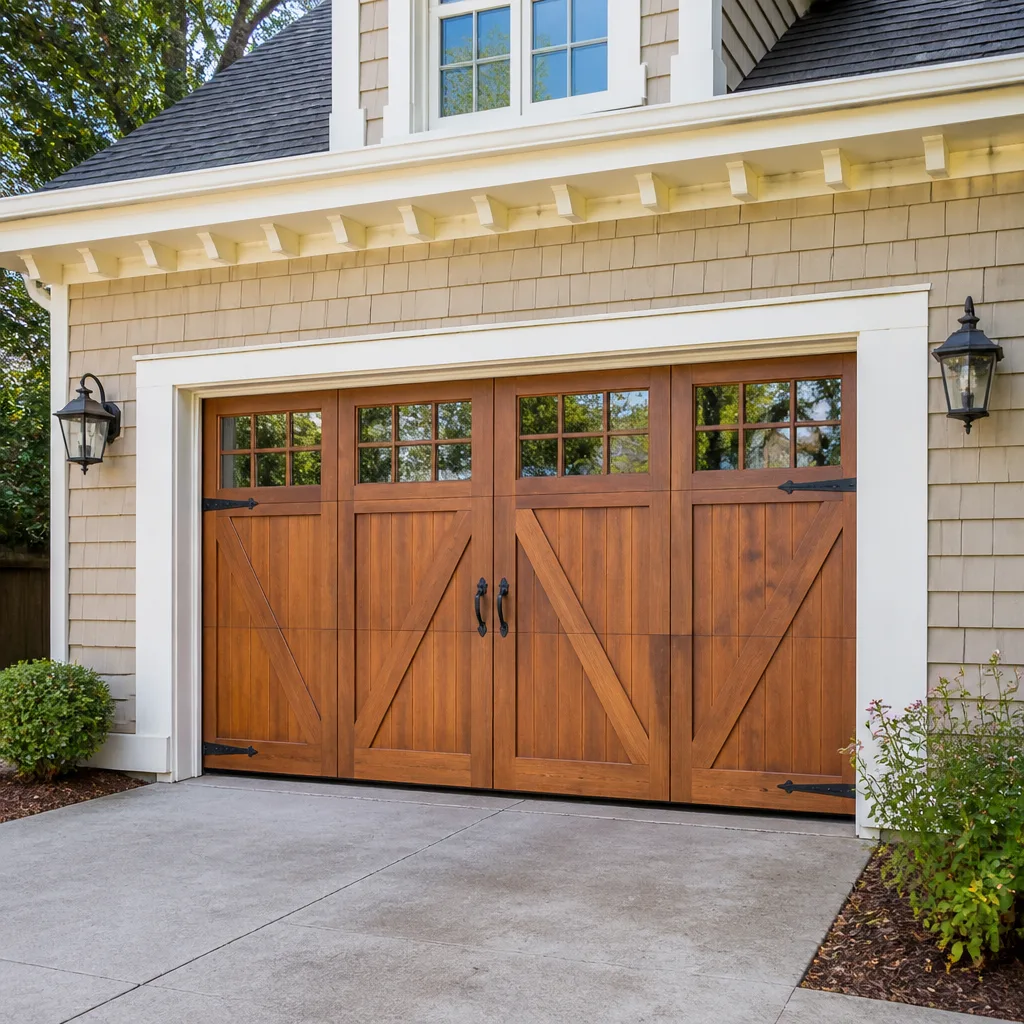 Carriage house
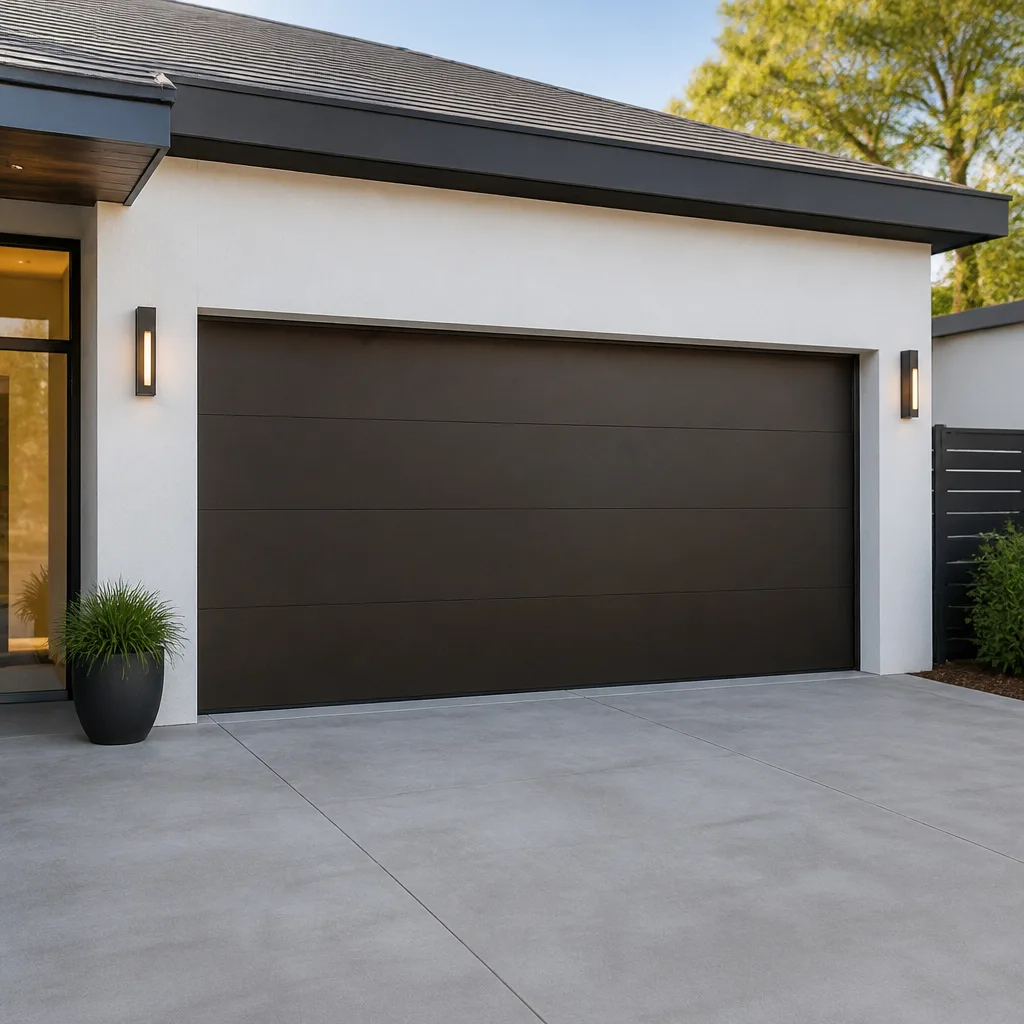 Modern flush
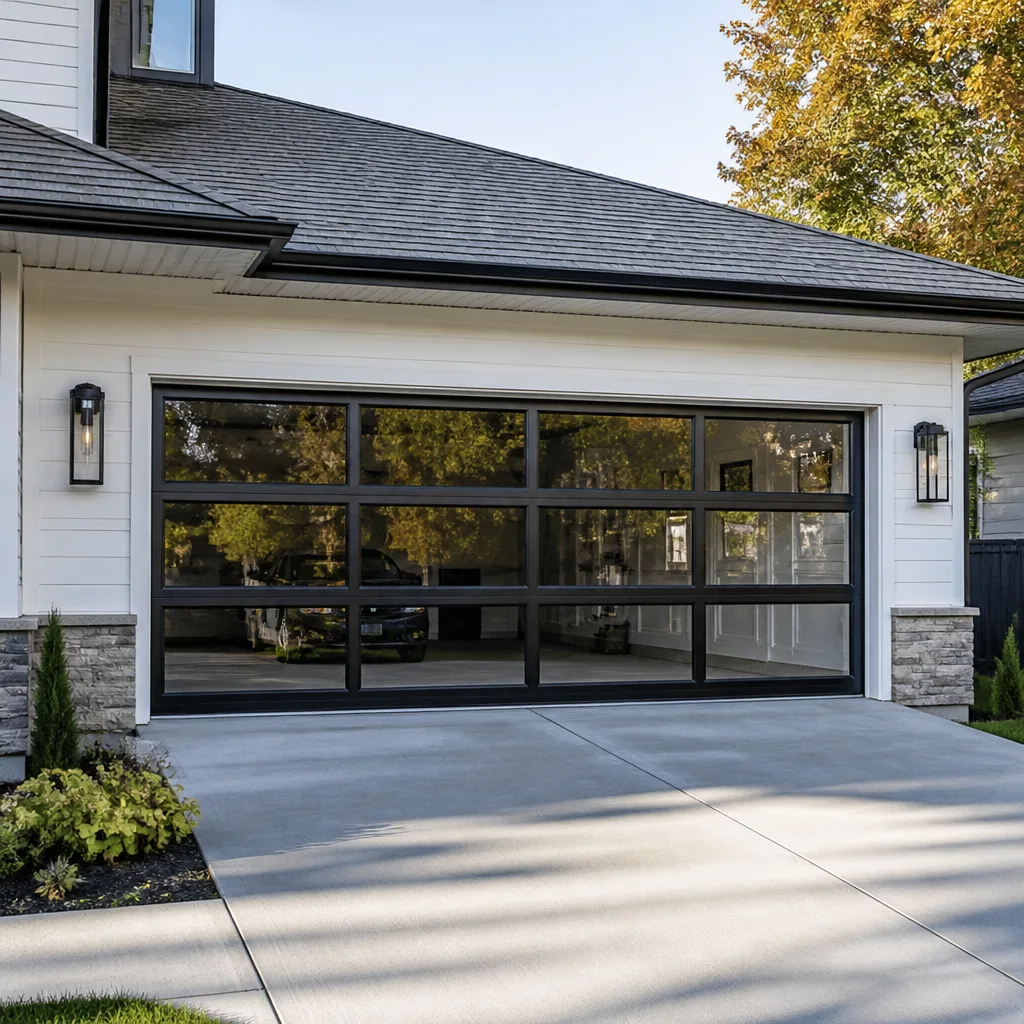 Full-view glass
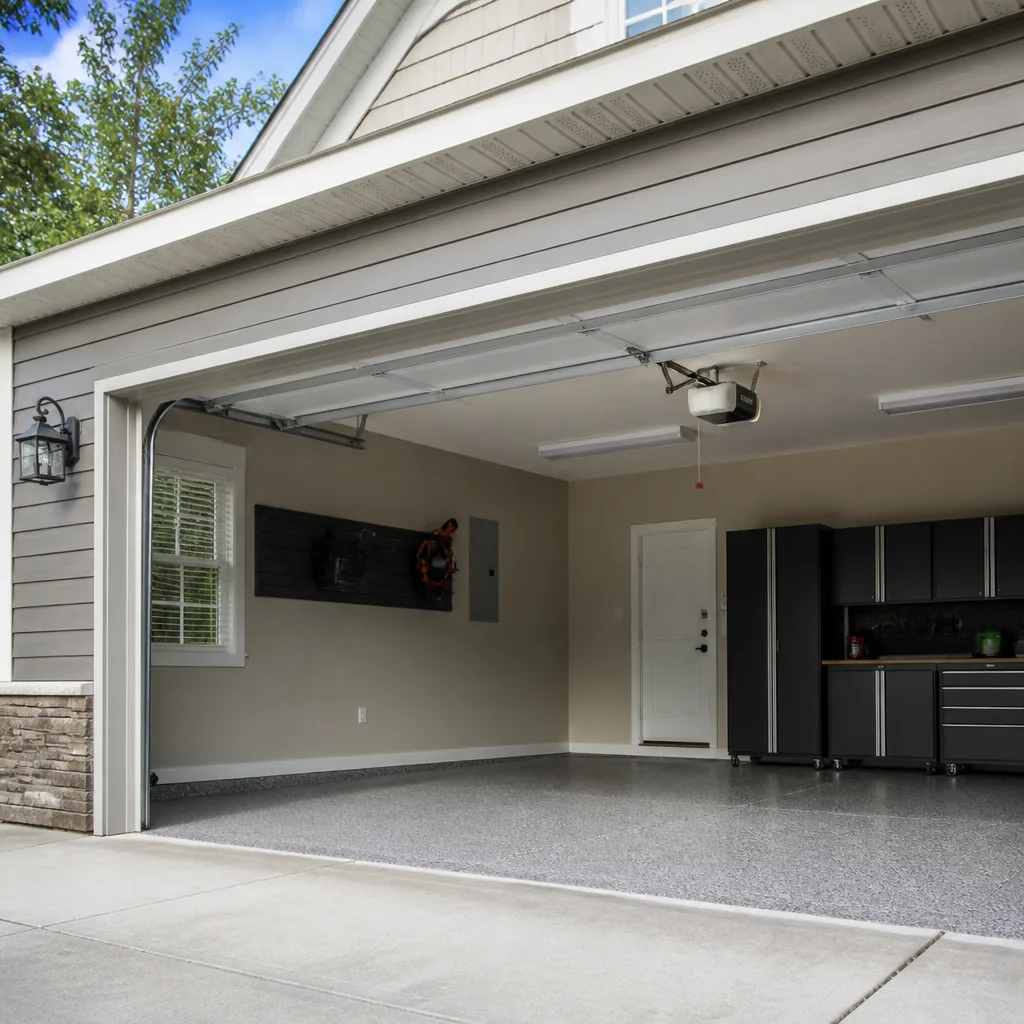 LiftMaster openers
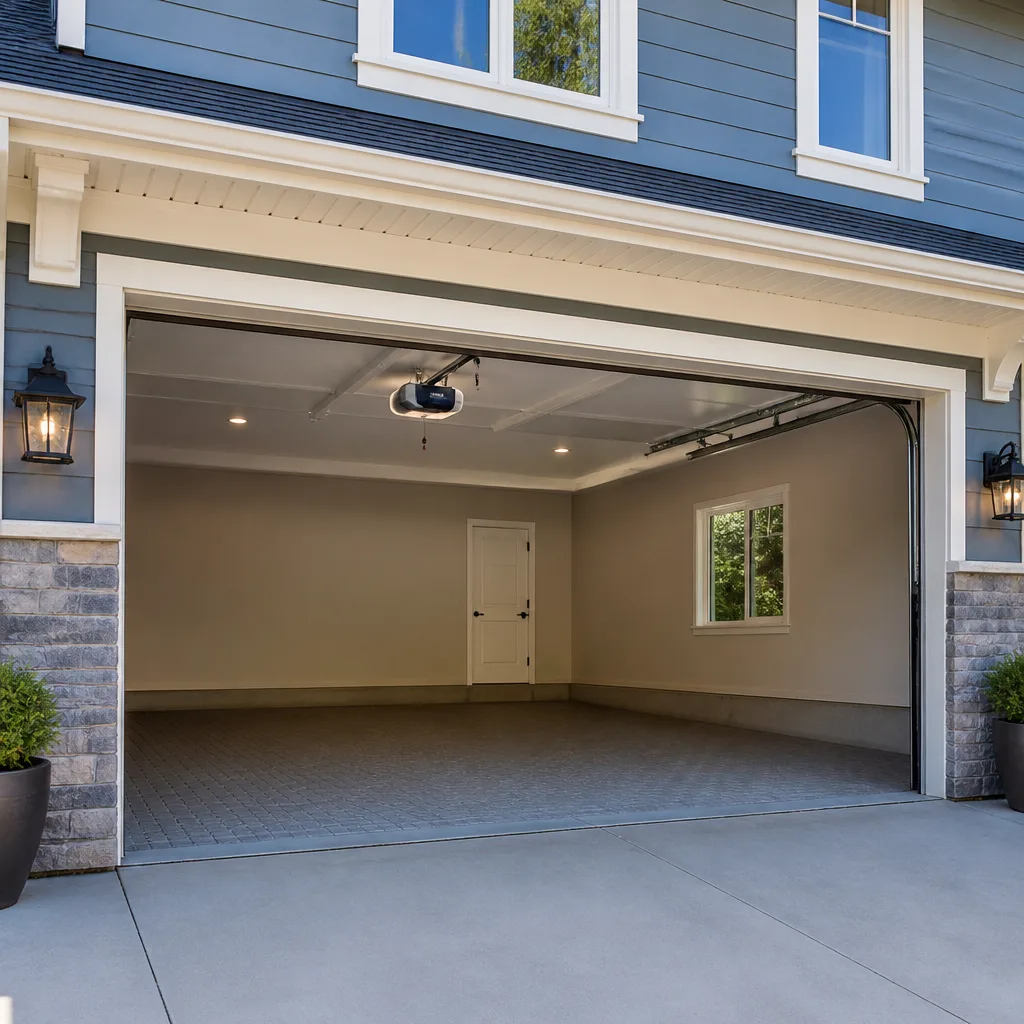 Chamberlain openers
Full 25-point door and opener safety check with every visit - springs, cables, rollers, tracks, and your LiftMaster or Chamberlain opener included
You get a price before we start. It does not change when the pro arrives.
Get your free estimateChoosing the Right Garage Door Brand: A Buyer’s Guide for Fishtown
Two garage doors can look identical from the sidewalk and land within a couple hundred dollars of each other on a quote, yet one comes with a parts warranty a local supplier carries on the shelf while the other means a factory order and a two-week wait. That difference stays invisible until the door fails and you’re standing in your alley with a car trapped inside. Most buying guides rank brands by marketing budget or curb appeal. This one works from the specs that actually decide how a door holds up in a Fishtown rowhouse: steel gauge, insulation, low-headroom fit, opener torque, and whether a tech can source the right part around the corner. By the end you’ll know how to read a Clopay spec sheet next to a Wayne Dalton one, why an Amarr door might fit an older opening better than a prettier door that doesn’t, and why brand prestige should rank below parts availability on your list. We work on the brand already in your garage, and we’d rather you choose well up front.
Quick Answer
For most Fishtown homeowners, the right garage door brand is the one whose parts a local supplier stocks, whose size and low-headroom options fit your actual opening, and whose steel gauge and insulation match how the door gets used day to day. Clopay, Wayne Dalton, and Amarr cover the widest range of rowhouse and converted-garage fits and are widely supported in the Philadelphia market. For openers, LiftMaster, Chamberlain, and Genie dominate residential installs locally and are the easiest to service and source parts for. Brand name matters far less than fit, gauge, and parts supply.
Styles & brands we work with
- Raised-panel steel
- Carriage house
- Modern flush
- Full-view glass
- LiftMaster openers
- Chamberlain openers
Table of Contents
- Why Brand Choice Matters More in Fishtown Than the Suburbs
- Clopay vs. Wayne Dalton vs. Amarr vs. CHI: The Specs That Matter
- Steel Gauge Reality: What 24 vs. 25 Gauge Means for Dent Resistance
- Low-Headroom and Tight-Clearance Doors for Older Fishtown Garages
- LiftMaster vs. Chamberlain vs. Genie: Opener Comparison for Fishtown
- Why Local Parts Supply Beats Brand Prestige
- Matching Door Style to Fishtown Architecture Without Over-Spending
- Your Pre-Purchase Checklist: How to Spec a Door in 7 Steps
Why Brand Choice Matters More in Fishtown Than the Suburbs
New construction in the suburbs starts with a standard eight-foot-wide opening, a level floor, and a ceiling height that leaves plenty of room for a door and opener. Fishtown garages rarely cooperate. The neighborhood is full of rowhouses built decades before anyone owned a car, and a lot of those garages were back-alley carriage houses, coal sheds, or loading bays converted to hold a vehicle later. Openings are often narrow or slightly out of square. Headroom is short. Some doors are tucked under a second floor or a party wall, so a standard-tension door and opener won’t physically fit without modification.
That makes brand shopping different here. In a new build, almost any national brand drops in. In Fishtown, you need a manufacturer that publishes low-headroom and low-clearance track options, sells custom widths, and has distributor support that reaches Philadelphia quickly. The wrong brand isn’t just a cosmetic mismatch. It’s a door that has to be reordered, or an opener that gets shoehorned in and puts extra strain on the door for years.
There’s a second Fishtown factor most guides ignore: how the door gets used. Alley-facing doors take a lot of car and bike contact, and a lot of them get opened and closed far more often than a suburban door that sits closed all day. A thin, uninsulated panel that’s fine on a quiet street starts showing dents and rattles much faster on a busy block. Gauge, panel construction, and hinge hardware all carry more weight when the door is worked hard. If you’re still choosing whether to repair or replace what’s there, garage door repair Fishtown covers the decision in detail before you spend on a new door.
Finally, housing stock sets the expectation. A lot of Fishtown buyers inherit an older door with a serviceable frame but tired hardware. Knowing your brand tells a technician instantly which springs, rollers, cables, and openers will mate correctly, so the repair is done the first time with a compatible part rather than a near-match. That’s the practical reason brand literacy beats brand prestige in this neighborhood.
Clopay vs. Wayne Dalton vs. Amarr vs. CHI: The Specs That Matter
The four brands that come up most for Fishtown residential jobs each solve a slightly different problem, and comparing them on marketing language tells you almost nothing. Line them up on the dimensions that actually affect fit and durability, and the picture gets clear fast.
Clopay
Clopay offers one of the widest ranges of residential styles and insulation levels, from basic non-insulated steel to well-insulated carriage-house doors. The brand’s strength is coverage: you can usually find a Clopay that fits a narrow rowhouse opening and a trimmed curb-appeal ask. Insulated models carry polystyrene or polyurethane cores, and the polyurethane doors hold their rigidity better on a door that gets heavy cycling. Parts back up is generally strong in the Philadelphia market, which shortens repair waits.
Wayne Dalton
Wayne Dalton is a common match for older garages. The brand is well known for low-headroom and tight-clearance solutions, including models built for openings where a standard door won’t travel. If your Fishtown garage is under a low ceiling or a party wall, this is a brand worth pricing. Insulated options exist across the line, though you’ll want to confirm the exact R-value on the model you’re quoted rather than assume the brand’s top number applies to every door.
Amarr
Amarr leans toward value and straightforward steel construction, with a solid range of raised-panel and flush doors that suit a converted-garage look. Insulation is available but less of a focus than on the premium Clopay tiers, so Amarr often wins on price for a door where thermal performance isn’t critical. Parts and service support are broadly available locally. For a rental or a back-alley garage where curb appeal is low priority, it’s a reasonable fit.
CHI
CHI builds heavier-gauge steel doors with a reputation for durability on commercial-grade and hard-use residential doors. If your Fishtown door takes constant abuse from car and bike contact, CHI’s thicker panels and sturdier hardware can make sense despite a higher base price. The tradeoff is fewer style options than the fashion-forward brands.
How to compare them in one pass
- Confirm the door’s actual opening width and height, measured in three spots (top, middle, bottom) to catch out-of-square frames.
- Ask each brand’s dealer for the published R-value on the exact model quoted, not the line average.
- Check whether low-headroom tracks or low-clearance configurations exist for that model.
- Ask the dealer which local supplier stocks that brand’s springs, rollers, and hinges.
- Confirm the steel gauge on the panel and the door’s total weight (matters for opener sizing).
The point isn’t to crown a winner. It’s to quote like-for-like. Once you’re comparing gauge, R-value, and low-headroom availability across the same four brands, the price difference starts making sense. If you’re ready to install, garage door installation walks through what a proper measure and fit involves on a Fishtown opening.
Steel Gauge Reality: What 24 vs. 25 Gauge Means for Dent Resistance
Steel gauge is the single most misunderstood spec in residential garage doors. A smaller gauge number means thicker steel, so 24-gauge is heavier and more dent-resistant than 25-gauge. The difference sounds trivial on paper, but on a door where every point of thickness matters, it shows up in how the panel holds its shape after a car bumper touches it or a bike handlebar drags across it.
Most entry-level residential doors are 25-gauge or thinner. Standard and premium doors step up to 24-gauge, and some hard-use or commercial-lite models go to 23 or 22 gauge. On a quiet suburban cul-de-sac where the door faces a driveway and nothing else, 25-gauge is often fine. On a busy Fishtown block where the door sits at the mouth of an alley and cars park tight, a 24-gauge door is worth the upgrade. It resists the small dents and creases that turn into rust points and panel binding over time.
What thicker gauge actually gets you
- Better dent resistance. Thicker steel absorbs light impacts from car and bike contact instead of creasing.
- Less panel flex. A heavier panel holds its shape better, so hinges and rollers stay aligned.
- Better insulation retention. A rigid panel holds its core in place; a thin panel can distort and lose thermal performance.
- Quieter operation. Heavier panels and stiffer construction dampen rattles from the opener.
There’s a caution here too. Heavier doors are heavier loads for the spring system and opener. A 24-gauge door weighs more than a 25-gauge door of the same size, and the springs have to be matched to that weight. When a lighter door is swapped for a heavier one, the springs usually need to change as well. Springs are under extreme tension and this is not a DIY repair; the wrong spring on a heavier door is a failure waiting to happen. A technician sizing springs to the actual door weight is part of a correct install, and it’s a big reason to buy the door and the install together rather than piecing them.
Ask for the gauge in writing on the quote. A dealer who can’t tell you the gauge on the model they’re quoting is either guessing or hoping you won’t ask. Both are reasons to get a second quote.
Low-Headroom and Tight-Clearance Doors for Older Fishtown Garages
Headroom is the vertical distance from the top of the door to the ceiling, and it’s the spec that trips up the most Fishtown installs. A standard door needs roughly 12 inches of headroom for a standard torsion setup. Many Fishtown garages have less, because they were never built for a car door and opener. Some have a low ceiling, some have a beam or party-wall overhang, and some are so tight that only a low-headroom configuration will work without structural changes.
This is where brand choice stops being cosmetic. Low-headroom and low-clearance track options vary widely by manufacturer and by specific model. Wayne Dalton is a common name for tight-clearance residential jobs, and Clopay offers low-headroom models in some lines. If your opening is under about 12 inches of headroom, you need a manufacturer that explicitly sells a low-headroom configuration for the model you’re pricing, not a dealer who says it’ll “probably fit.”
Low clearances aren’t just about the top of the door. Side room (the horizontal space beside the door for the track and torsion tube) and backroom (the horizontal travel distance) also matter. A door can have enough headroom at the top and still fail because the track has nowhere to go. Measure all three before you shop:
- Measure headroom: top of the door to the ceiling.
- Measure side room: the space on each side of the door at the track.
- Measure backroom: how far back the door can travel before it hits the wall or a parked car.
- Note any beam, duct, or pipe overhang on the ceiling above the door.
- Note the door’s opening width at three heights to check for out-of-square framing.
A custom-width door from a brand that sells one isn’t necessarily more expensive than a standard door plus a frame modification. In low-headroom cases, the brand that publishes the tight-clearance option saves both the reorder and the modification. If you’re working through a tight opening and aren’t sure whether the current door can be saved, a garage door repair evaluation first can tell you whether a repair or a full replacement makes more sense.
LiftMaster vs. Chamberlain vs. Genie: Opener Comparison for Fishtown
The opener is where brand fluency pays off, because an opener match on paper doesn’t always mean a match in the garage. LiftMaster, Chamberlain, and Genie dominate residential installs in Philadelphia, and a technician who knows all three can usually source the right controller, safety sensor, or rail within days instead of waiting on a factory order.
LiftMaster is the professional-install line and the strongest fit for a heavy door and a connected home. The brand’s belt and chain drives handle heavier doors well, its MyQ connectivity is widely supported, and its parts are broadly stocked in the Philadelphia market. If your door is 24-gauge or heavier and your household is already on smart-home controls, LiftMaster is a common match.
Chamberlain shares a lot of design DNA with LiftMaster (both are built by the same parent) but leans toward retail channels and DIY-friendly models. Its smart-home integration is solid, and its parts are easy to find because it’s the same service ecosystem. For a lot of Fishtown homeowners installing a new opener on a standard door, Chamberlain hits the price-to-feature balance.
Genie is the other major residential brand, with strong name recognition and a wide range of belt, chain, and screw-drive models. Genie’s smart-home options have improved significantly, and its parts are widely available locally. Genie is a common fit where the door is lighter or the household prioritizes a straightforward, low-fuss opener over premium connectivity.
Opener specs that actually matter
- Horsepower and torque. Match the opener to the door’s weight, not the door’s style. A heavy door on an undersized opener burns out early.
- Drive type. Belt drives are quieter; chain drives are more affordable; screw drives have their own maintenance profile.
- Smart-home integration. Confirm your platform (Apple Home, Google, Amazon Alexa) is supported before you buy.
- Safety systems. Auto-reverse sensors and battery backup are standard on modern UL-listed openers; confirm they’re included and tested.
- Parts availability. Ask the dealer which local supplier carries replacement remotes, gears, and sensor kits for that model.
If your existing opener is one of the four brands we work with (LiftMaster, Chamberlain, Genie, or Craftsman), you often don’t need a new unit at all. A garage door opener repair call is frequently the cheaper answer for a remote that stopped syncing, a safety sensor that won’t align, or a gear that wore out. We know your opener, and diagnosis often comes before replacement.
Why Local Parts Supply Beats Brand Prestige
Here’s the part most buying guides skip entirely: for a Fishtown homeowner, parts availability in the Philadelphia market matters more than brand prestige. A door that uses springs, rollers, hinges, and cables a local supplier stocks is a door that can be fixed the same week it breaks. A door that requires a factory order for a proprietary part is a door that can stay broken for weeks.
Springs are the clearest example. Garage door springs are matched to the door’s weight and cycle count, and because they’re the highest-wear part, having the right size in stock locally is the difference between a same-day repair and a two-week wait. A brand that uses standard-tension springs common in the local supply chain will always beat a premium brand whose springs have to be ordered from the factory.
Cables, rollers, and hinges are the same story. Most of these are cross-compatible across brands, but some proprietary hinges and rollers are not. In our experience, the brands that win on repairability in Fishtown are the ones whose hardware is broadly distributed: Clopay, Wayne Dalton, and Amarr all have parts channels that reach Philadelphia quickly. That said, a well-built door from any of the eight brands we work with (LiftMaster, Chamberlain, Genie, Clopay, Amarr, Wayne Dalton, Craftsman, and Raynor) is a better bet than an unknown door with local parts, because the service network and documentation exist.
What “local parts supply” looks like in practice
- Standard springs sized to your door weight are on a local shelf.
- Common rollers, hinges, and cables are stocked regionally.
- Replacement remotes and sensor kits are available without a factory order.
- Service documentation and wiring diagrams are accessible to a local tech.
If you’re buying a door and an opener together, ask the dealer to confirm local parts availability for the specific model, not the brand. A brand being “everywhere” doesn’t mean a specific model’s parts are. The right question is: “if a spring or a hinge fails on this door, how fast can it be replaced with the right part?” The answer tells you more than any brochure. And because springs are the failure point you’re most likely to face, keeping spring repair as a named service is part of why we can answer that question honestly.
Matching Door Style to Fishtown Architecture Without Over-Spending
Fishtown’s architecture is a mix of original rowhouses, converted garages and carriage houses, and newer infill. That variety means door style should follow the building, not a catalog trend. Three styles dominate the conversation and each has a strong local case.
Flush panel
Flush doors are the clean, modern look. They read well on a converted garage that’s been updated, or on contemporary infill. The advantage is that flush panels resist collection of dirt and grime at the seams, which matters on an alley-facing door. If your Fishtown building already reads modern, a flush door is likely the best fit and often the least expensive style to spec.
Raised panel
Raised-panel doors are the most common residential look and the safest middle ground. They suit the majority of original rowhouse garages, look appropriate on both older and newer houses, and price out reasonably. The raised panels also add a little rigidity to the door, which helps on a busy block. This is the default we’d suggest unless you have a specific reason to pick another style.
Carriage house
Carriage-house doors are the eye-catching option. They suit a carriage house or a rowhouse with a strong traditional look, and they can genuinely boost curb appeal. The catch is price. Carriage-house doors typically cost significantly more than raised-panel, and the extra spend only makes sense if your building’s architecture supports it. On a back-alley garage that only you and your neighbors see, a raised-panel door does the job for less.
Matching style to building in 4 steps
- Look at the front of your house. Does it read traditional or modern? Match the door to that read.
- Note whether the garage door faces the street or an alley. A street-facing door earns more style spend than an alley door.
- Confirm the style you want is available in the gauge and insulation level you’ve chosen. Not every style comes in every tier.
- Price the raised-panel version first as your baseline, then check what the carriage-house upgrade actually costs on that model before committing.
One more local note: color matters as much as style on a Fishtown block. A door that matches its building reads better than a premium door in the wrong tone. Ask your dealer for the actual color samples for the model, not a website render.
Your Pre-Purchase Checklist: How to Spec a Door in 7 Steps
Spec a Fishtown garage door in this order and you’ll avoid the reorder that turns a two-week project into a six-week one. Each step builds on the last.
- Measure the opening at three heights. Top, middle, bottom, and width at both sides. Note any out-of-square framing.
- Measure headroom, side room, and backroom. Note any ceiling beam, duct, or pipe overhang.
- Pick a door style. Match to building; raised-panel is the safe default, carriage-house is the upgrade.
- Pick a steel gauge. 24-gauge is the sensible step up from 25-gauge on a hard-use Fishtown door.
- Pick an insulation level. Confirm the published R-value on the exact model, not the line average.
- Confirm low-headroom availability. If headroom is tight, verify the model has a low-clearance configuration.
- Match an opener to the door’s weight. Confirm the opener’s torque and drive type suit the door you’ve chosen, and confirm smart-home compatibility if you want it.
Bring the measurements to the quote. Any dealer can quote a door; a good dealer quotes the right door. If you want an outside read on your measurements before you order, a repair visit is a cheap way to get an expert’s eyes on the opening. Ask about lead times too: a standard door is usually faster than a custom-width one, so if your opening is close to standard, the standard size may save weeks.
Common Mistakes to Avoid
- Buying on curb appeal alone. A gorgeous carriage-house door in 25-gauge on a busy Fishtown block will dent before a plain raised-panel 24-gauge door does. Choose specs before style.
- Skipping the headroom measurement. The single most common Fishtown reorder is a door that won’t fit under a low ceiling or party wall. Measure before you commit.
- Buying brand prestige over local parts. A door whose springs and hinges are on a local shelf beats one that needs a factory order. Prestige doesn’t shorten a repair wait.
- Mismatching the opener to a heavier door. Step up the gauge and the opener needs to match. An undersized opener burns out early.
- Assuming the whole door needs replacing when it doesn’t. Panels, springs, hinges, and openers are usually repairable separately. Get a repair quote before a replacement quote if the door is otherwise sound.
- Touching springs yourself. Torsion and extension springs are under extreme tension and can cause serious injury. This is not a DIY repair; leave it to a trained technician.
- Over-spending on a door nobody sees. An alley-facing door on a converted garage doesn’t need a carriage-house upgrade. Put the money into gauge and gauge-matched hardware instead.
See the difference
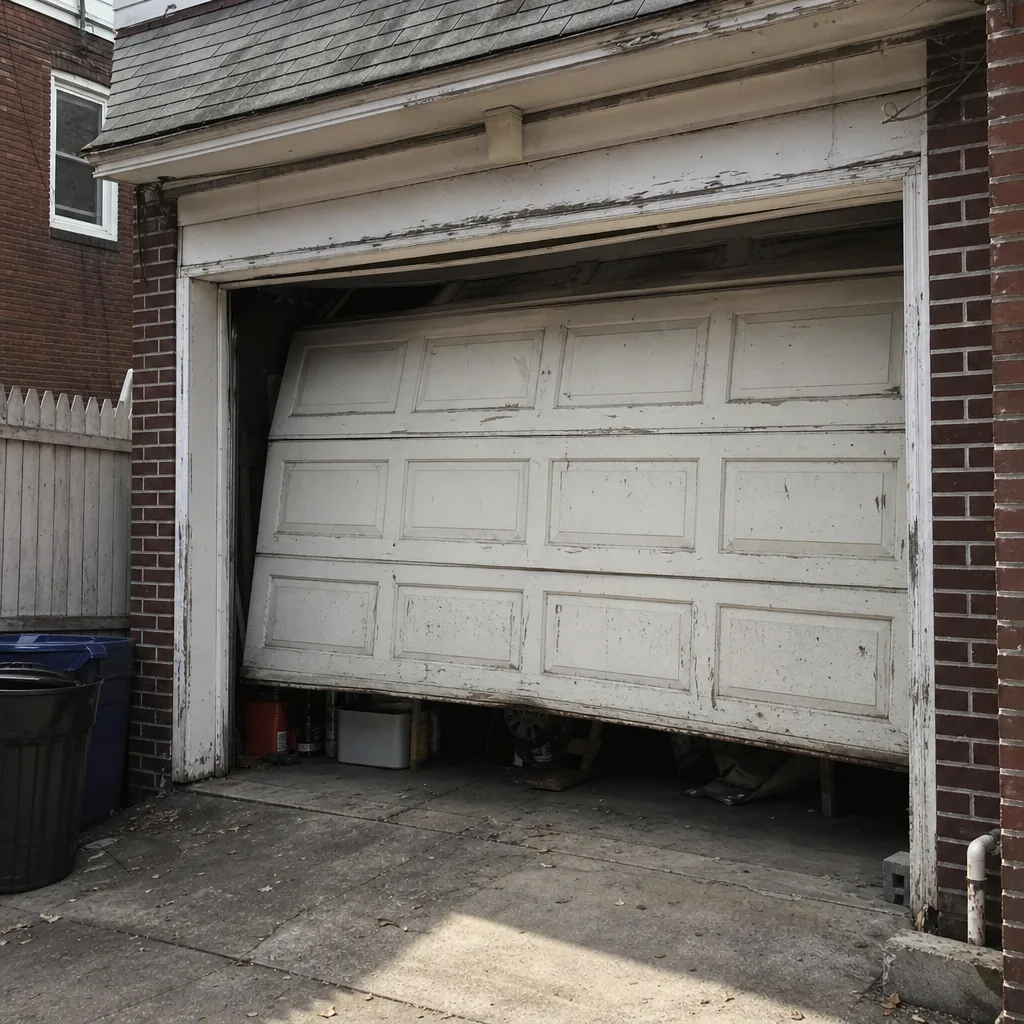 Before
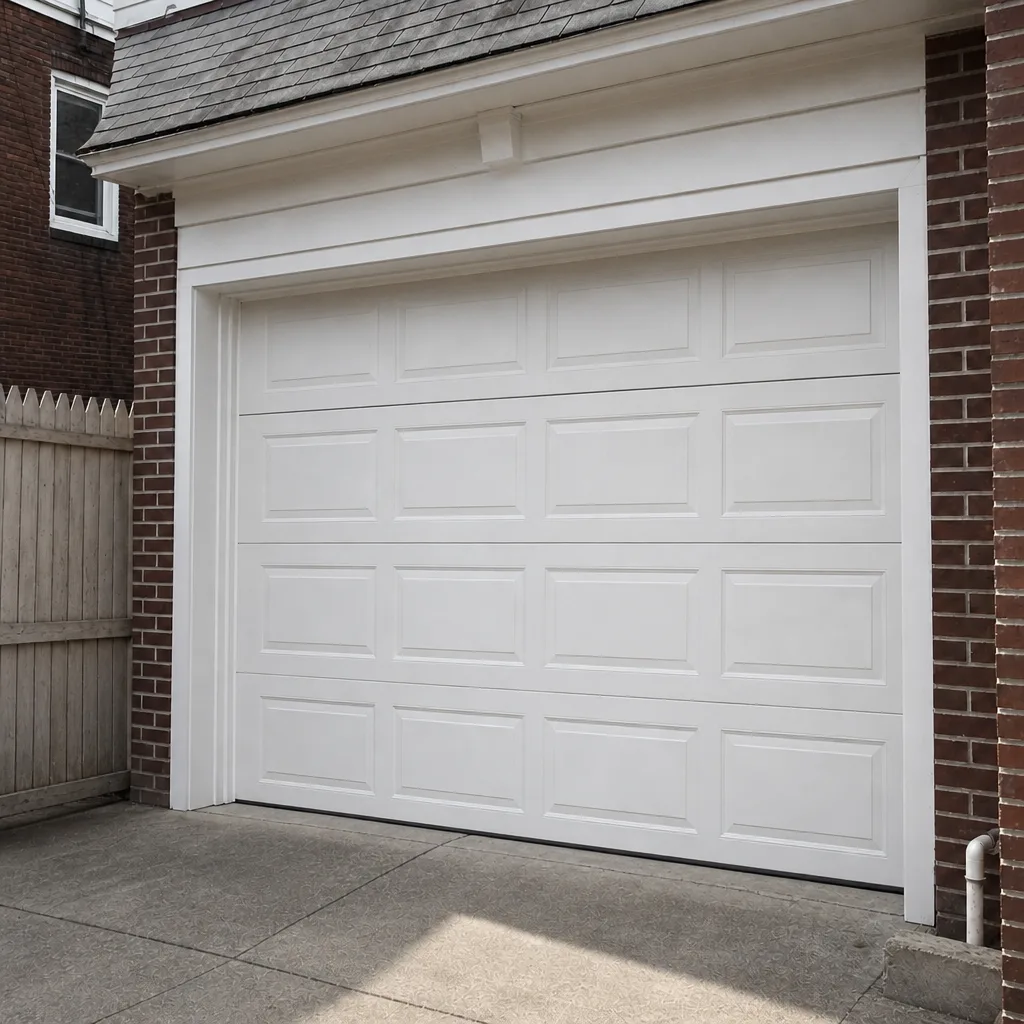 After
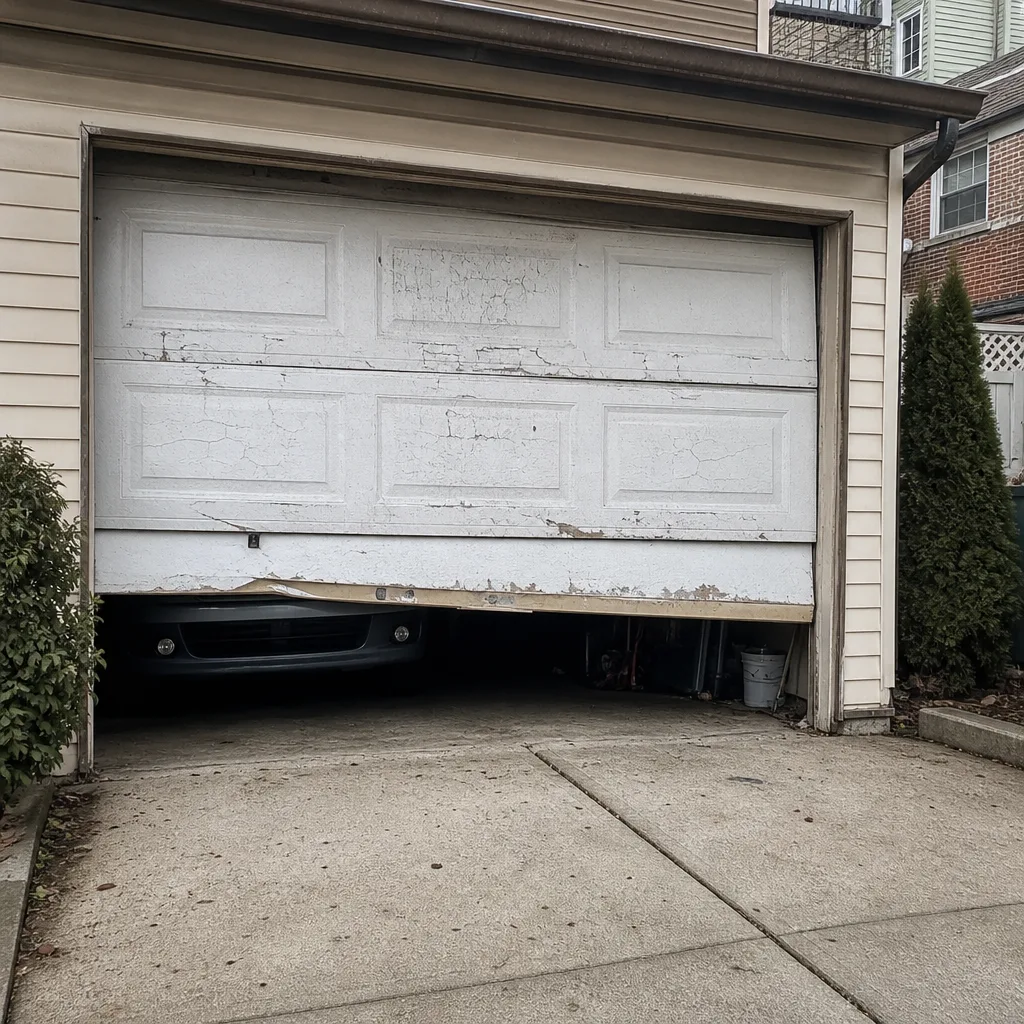 Before
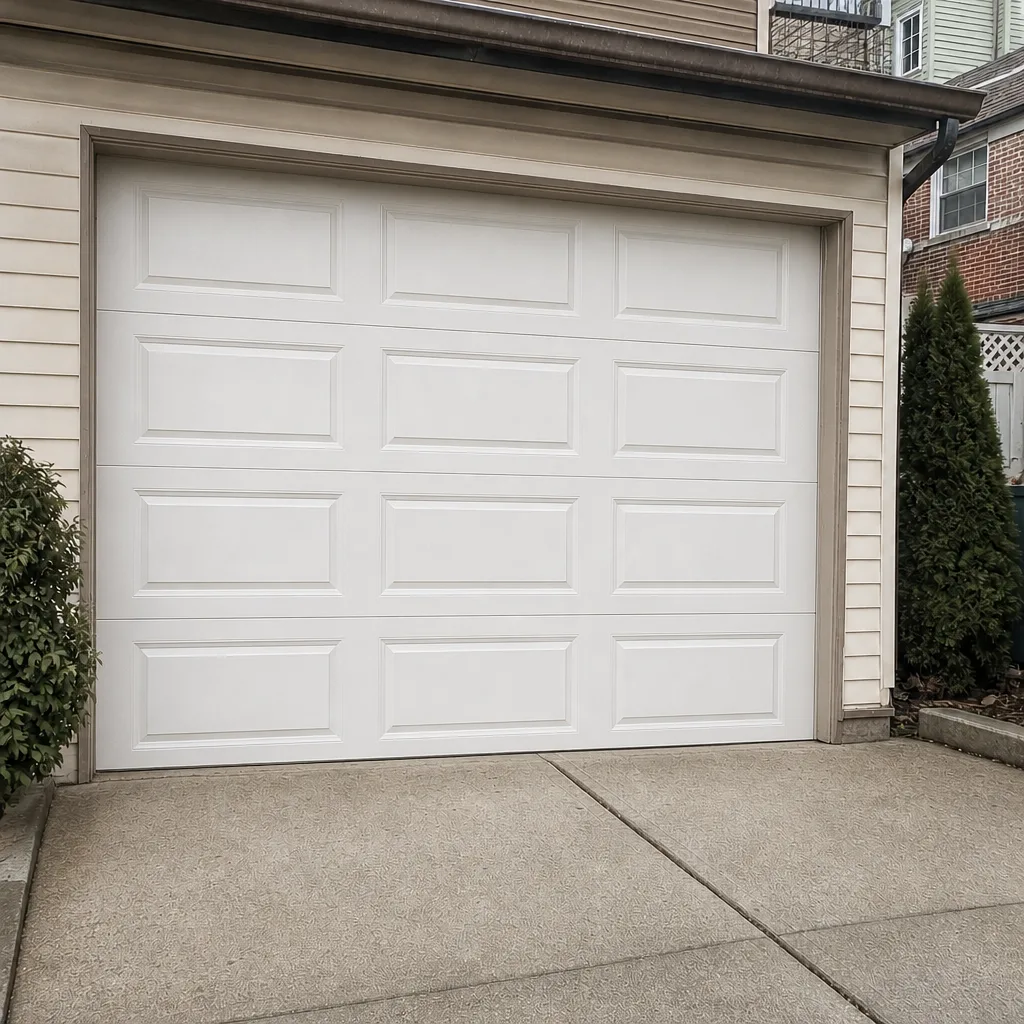 After
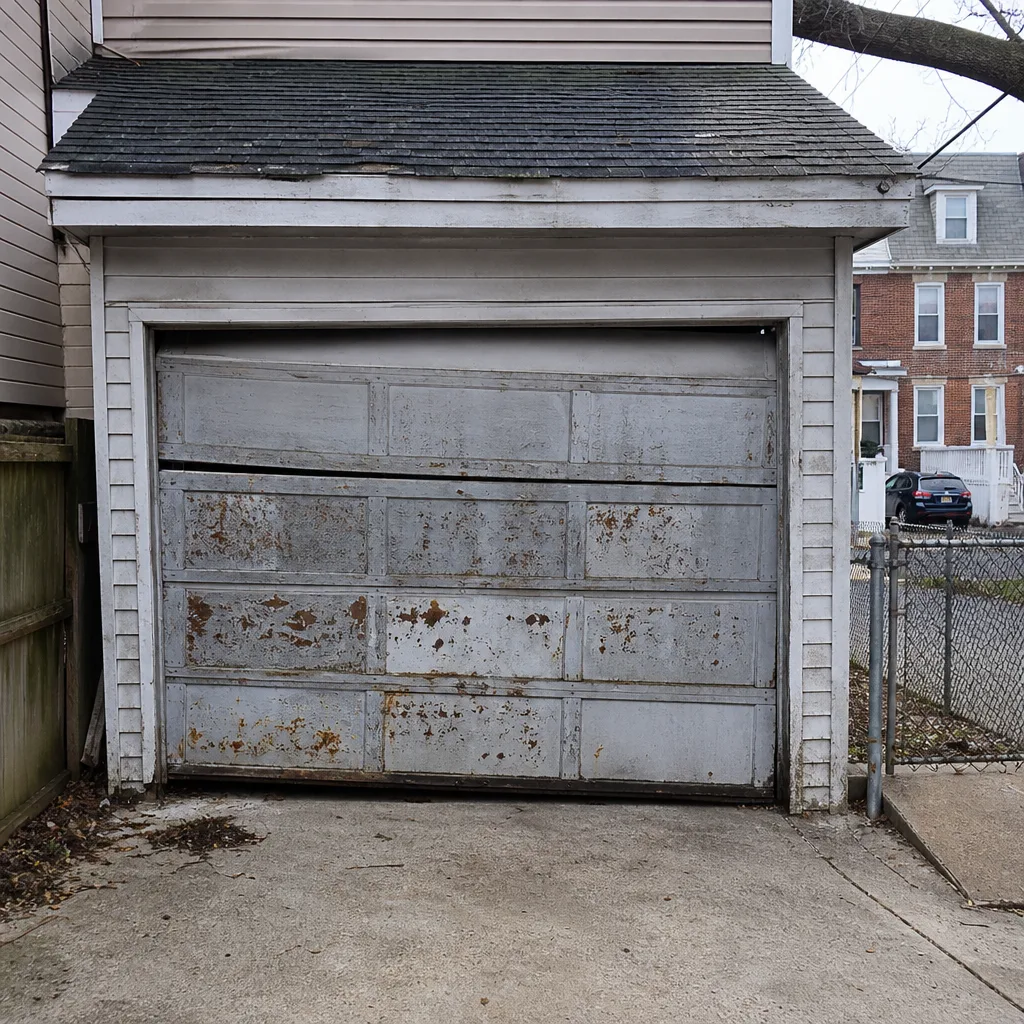 Before
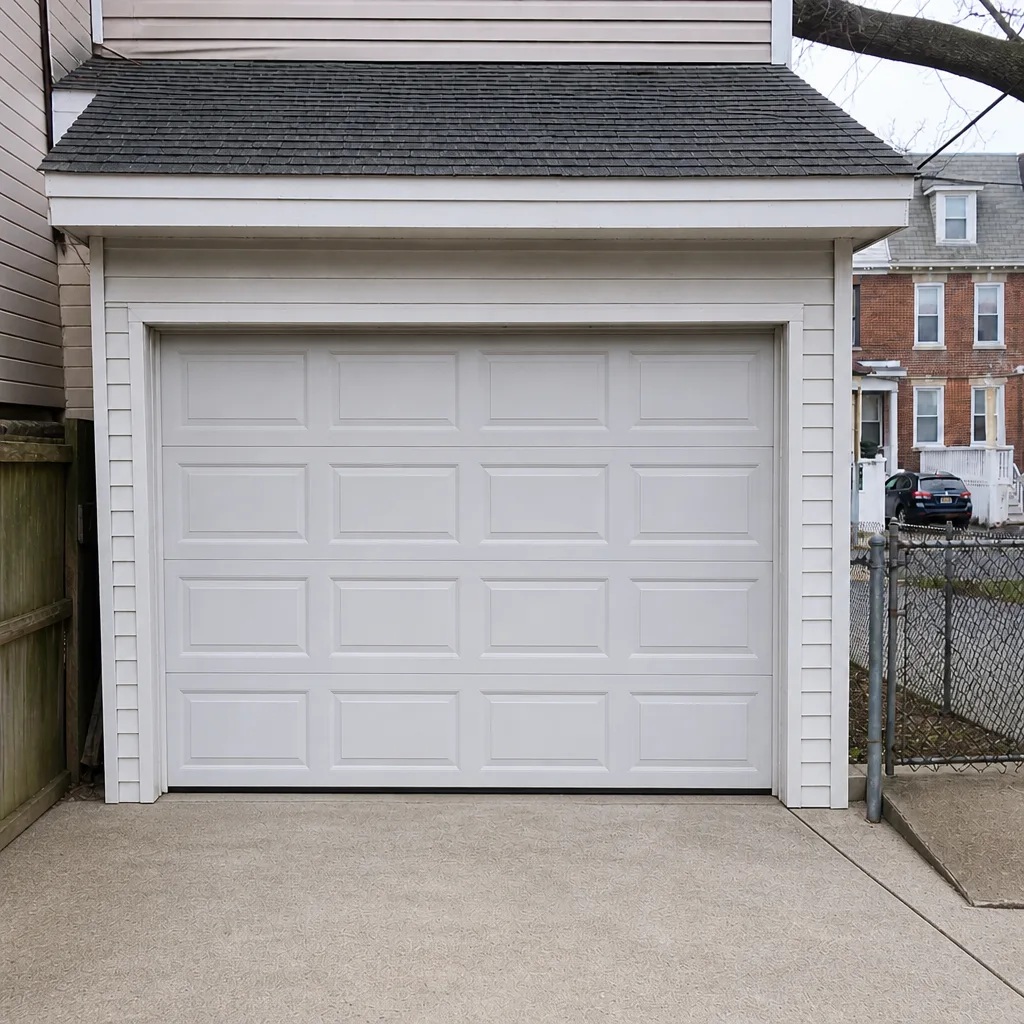 After
When to Call a Professional
Some jobs are a fitting question; others are a safety question. Call a professional when a spring snaps or the door won’t stay up (that’s a spring or cable failure under extreme tension, not a DIY fix), when the door comes off the track or binds so hard it won’t close, when the opener cycles but the door doesn’t move, or when a door is trapping a car or leaving the home unsecured. Those are the moments a brand guide stops mattering and getting the right technician out fast does. Garage Door Repair Fishtown offers free estimates in Fishtown. Call (833) 468-3037 to book one. We answer 24/7. Fast dispatch from 7am to 7pm, Sunday through Friday. We work the brand already in your garage, and we’ll tell you honestly whether you’re looking at a repair or a replacement.
Frequently Asked Questions
For most Fishtown rowhouses, Clopay, Wayne Dalton, and Amarr are the strongest fits because they cover the widest range of rowhouse and converted-garage openings, publish low-headroom options, and have parts support that reaches Philadelphia quickly. The better question is which model in the brand fits your opening, gauge, and insulation needs. A mid-tier door from a well-supported brand beats a premium door that has to be factory-ordered for parts. Call (833) 468-3037 for a free estimate on the right fit.
24-gauge is better on a busy block because it’s thicker steel that resists denting from car and bike contact longer than 25-gauge. A 25-gauge door is often fine on a quiet street, but on an alley-facing Fishtown door that gets hit and cycled hard, the step up to 24-gauge pays for itself. Remember that a heavier door needs matched springs and a properly sized opener. Call (833) 468-3037 for a free estimate that includes gauge and opener matching.
LiftMaster, Chamberlain, and Genie are the easiest to repair in Philadelphia because their parts are broadly stocked locally and technicians know all three. LiftMaster leans professional-install and heavy-door duty, Chamberlain leans retail and smart-home value, and Genie has strong name recognition and wide availability. The brand matters less than whether the local supply chain carries replacement parts. Call (833) 468-3037 for opener diagnosis and a free estimate.
Usually not, because a 24-gauge door is heavier and the existing opener may be undersized for the extra weight. The opener’s torque needs to match the door, and the springs need to be matched to the new door weight too. Sizing springs and checking opener capacity is part of a correct install. Call (833) 468-3037 for a free estimate that includes the heavier-door upgrade.
No. Garage door springs are under extreme tension and can cause serious injury if handled incorrectly; this is not a DIY repair. Torsion and extension spring work is a safety-critical job for a trained technician with proper tools and spring-winding equipment. If a spring has snapped or the door is stuck open, call a professional. Call (833) 468-3037 for spring repair in Fishtown, and we’ll give you a free estimate.
Match the door style to the building: raised-panel is the safe middle ground for most original rowhouses, flush works well on updated or modern infill, and carriage-house is the upgrade for a building whose architecture supports it. On an alley-facing converted garage, a raised-panel door usually does the job without the carriage-house premium. Call (833) 468-3037 for a free estimate and a style recommendation for your building.
The Bottom Line
Brand choice for a Fishtown garage door comes down to three things: does it fit your actual opening, does the gauge and insulation match how the door gets used, and can parts be sourced locally when something breaks? Clopay, Wayne Dalton, and Amarr cover the widest rowhouse range; LiftMaster, Chamberlain, and Genie cover the opener side cleanly. Style is worth spending on only where the building supports it. And springs remain the one part you should never touch yourself. Get the gauge and the R-value in writing, confirm local parts supply on the exact model, and match the opener to the door’s weight. If you’re still choosing, we’ll help you spec the right fit for your Fishtown garage before you order. Call (833) 468-3037 for a free estimate. We answer 24/7. Fast dispatch from 7am to 7pm, Sunday through Friday.
Written by the team at Garage Door Repair Fishtown.