
Last updated November 21, 2026
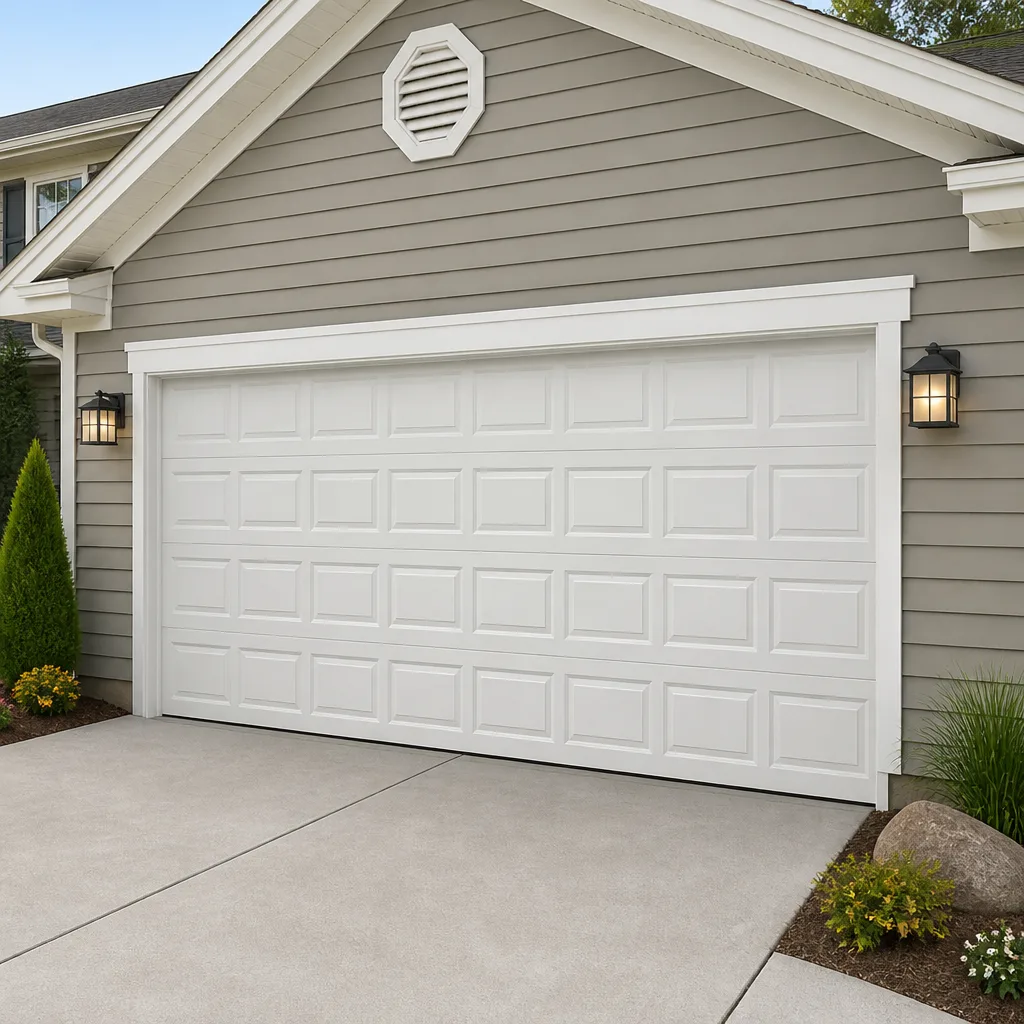 Raised-panel steel
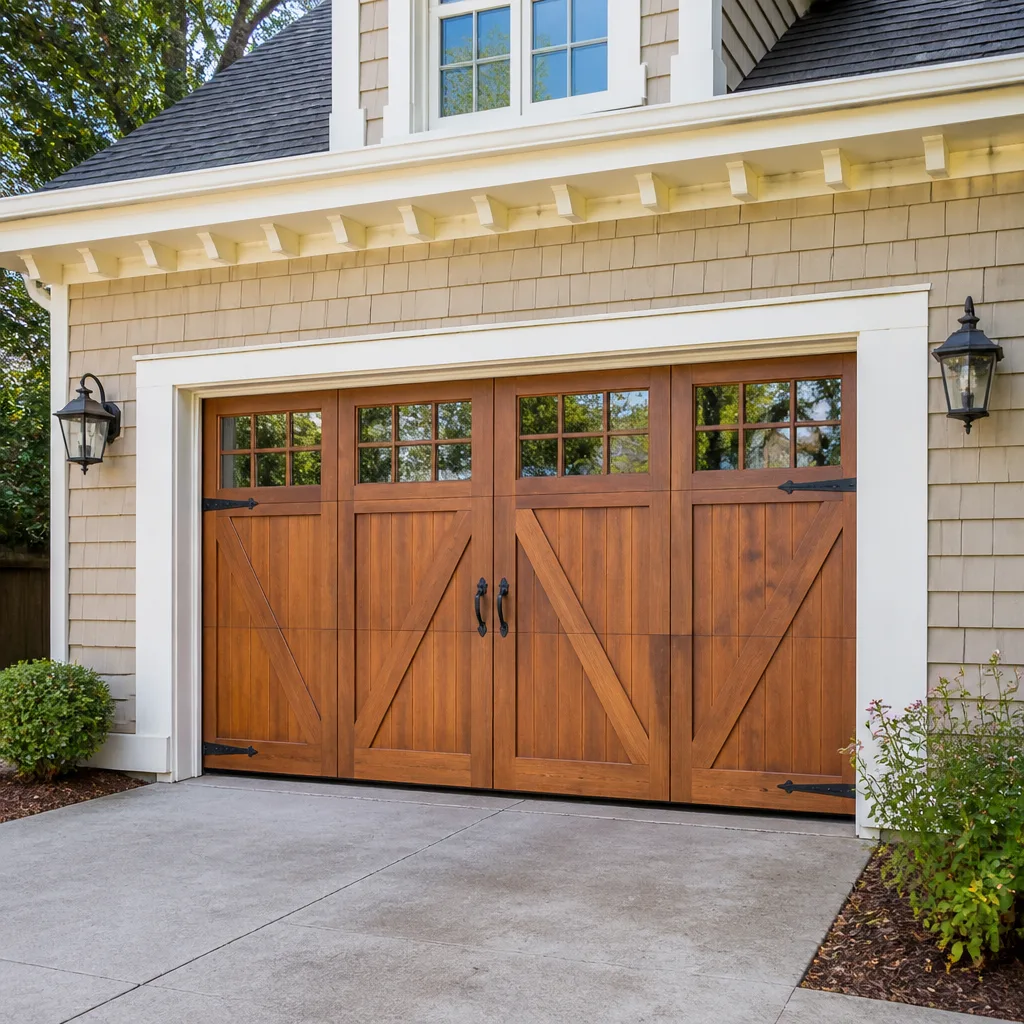 Carriage house
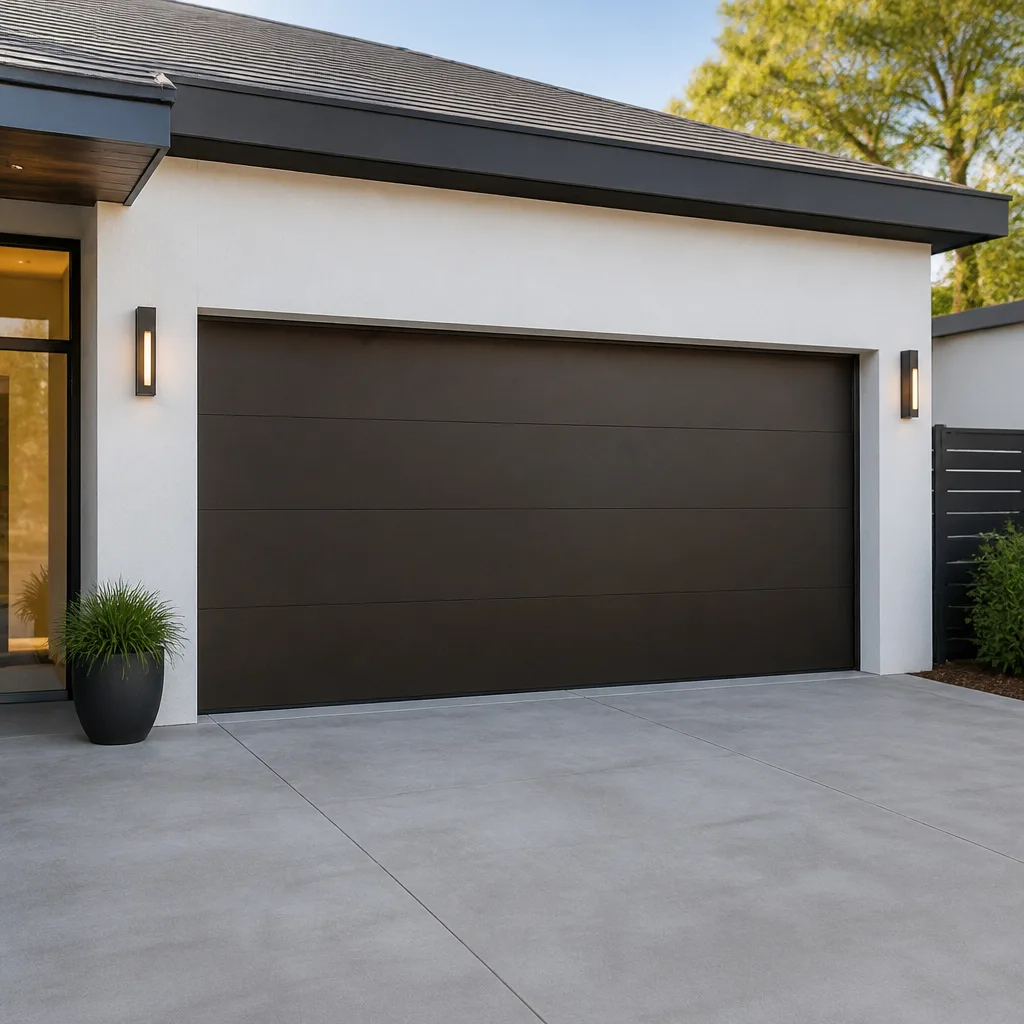 Modern flush
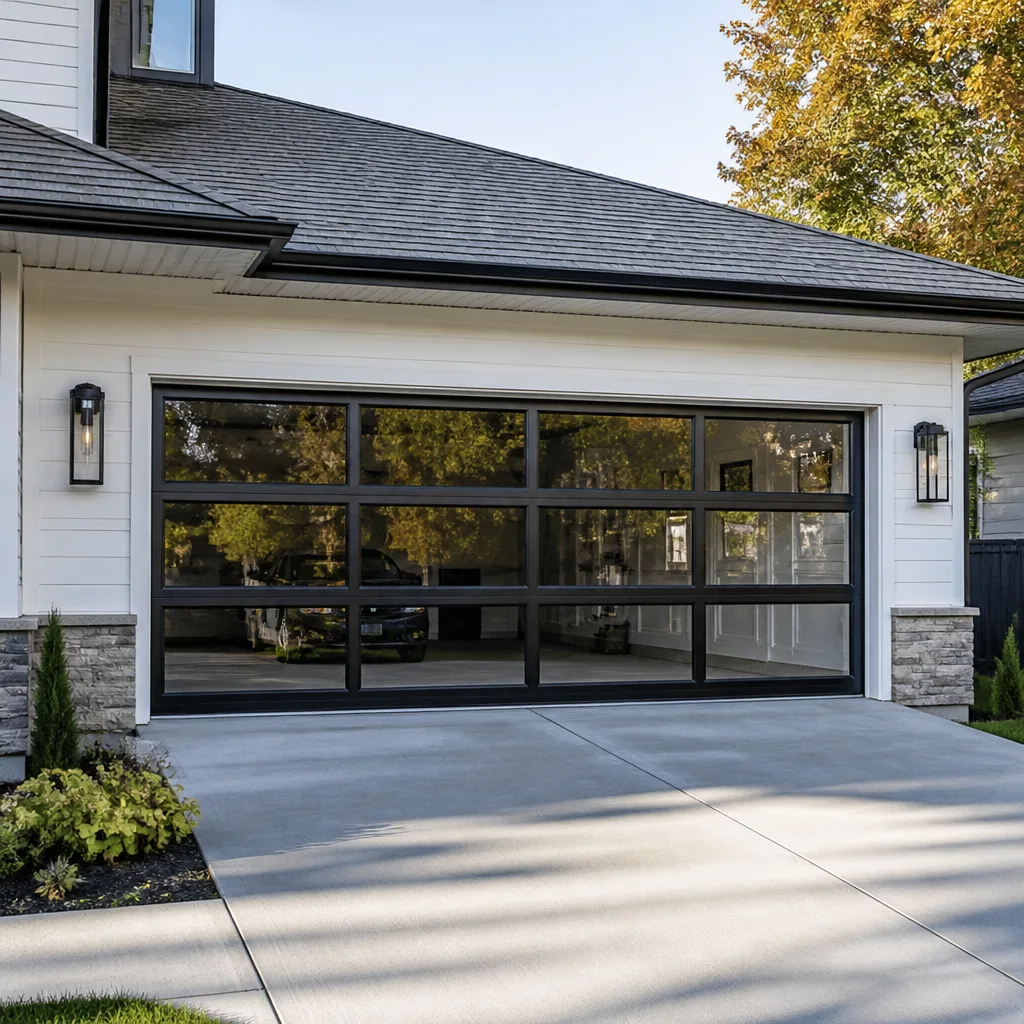 Full-view glass
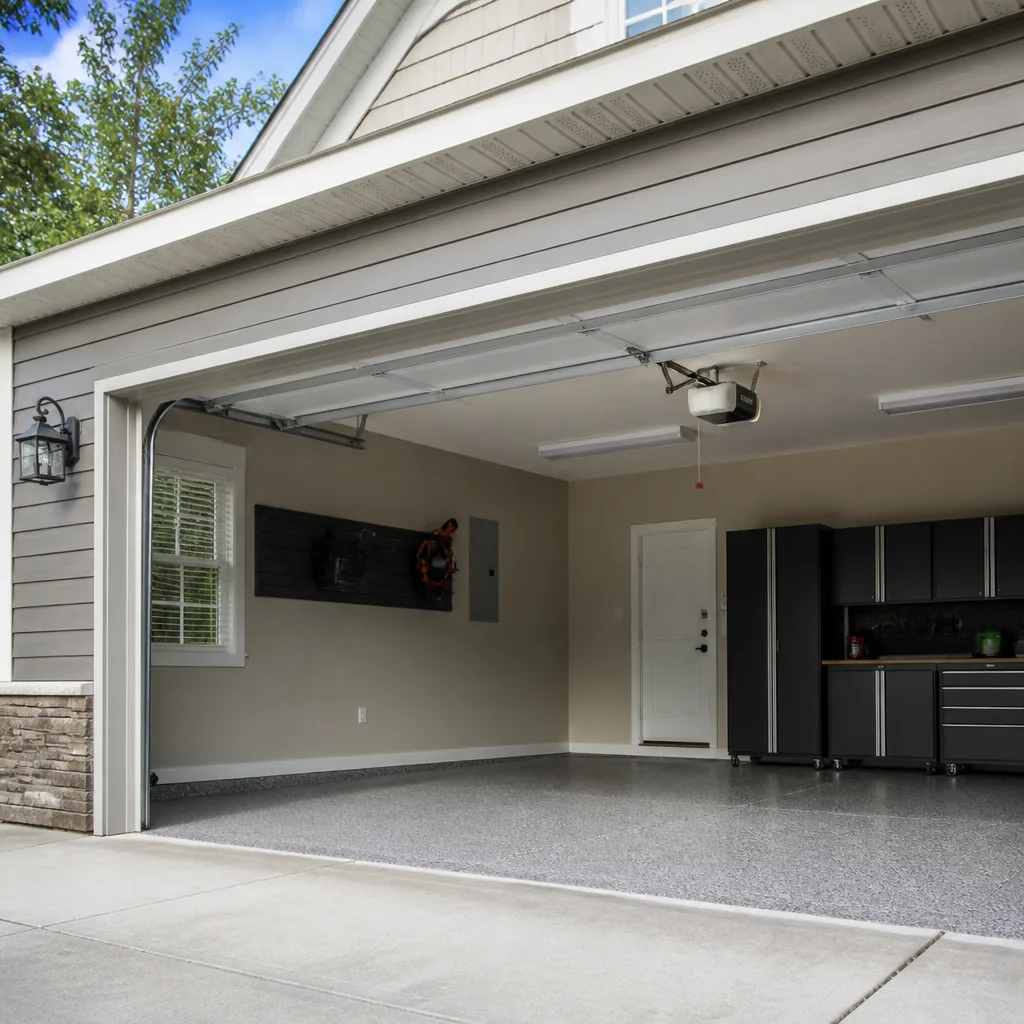 LiftMaster openers
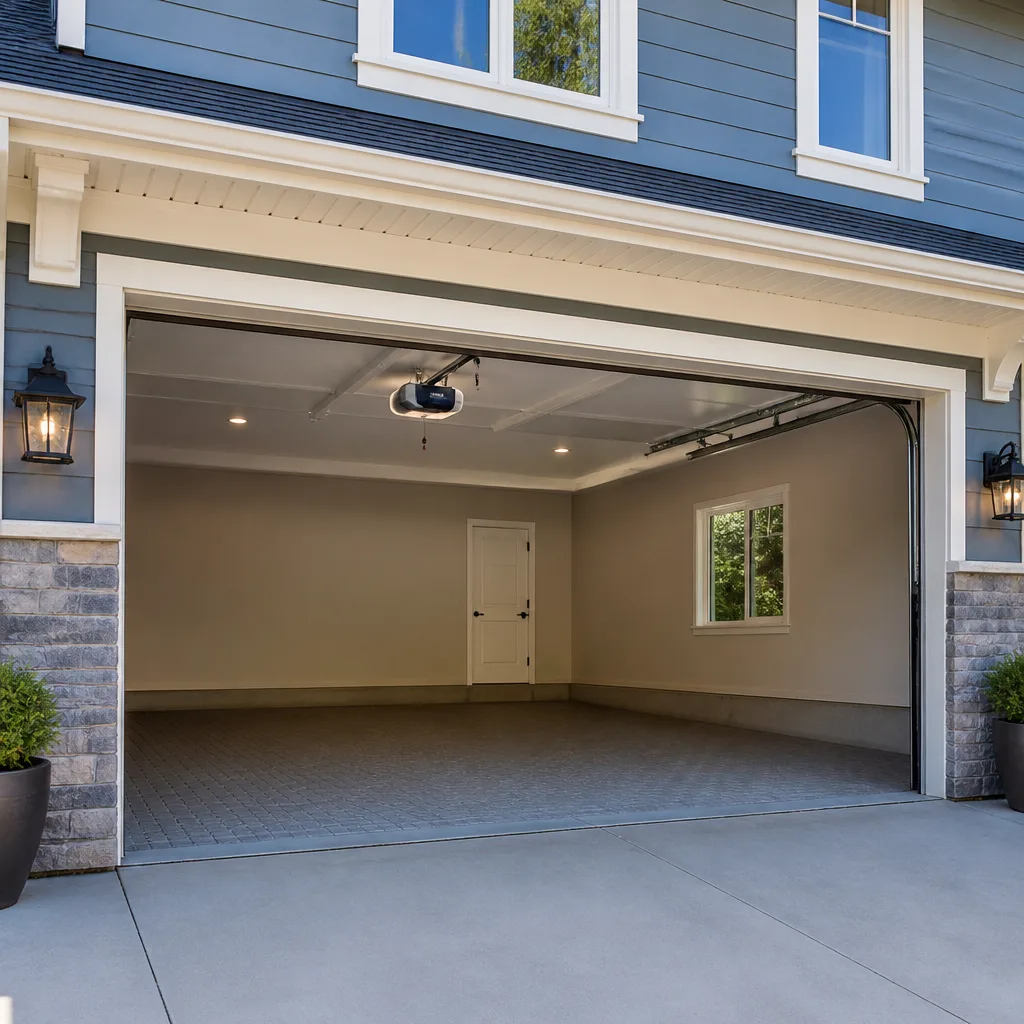 Chamberlain openers
Full 25-point door and opener safety check with every visit - springs, cables, rollers, tracks, and your LiftMaster or Chamberlain opener included
You get a price before we start. It does not change when the pro arrives.
Get your free estimateThe Complete Guide to Garage Doors in Fishtown
Most of the garages packed into Fishtown’s rowhouse blocks were built long before the sectional door became the default. Carriage houses, converted stables, and rear-alley bays went up around a different set of dimensions, which means the “standard sizing” charts you’ll find online are wrong for a large share of the homes in this neighborhood. A door that measures correctly on paper can still bind, scrape, or leave you with no headroom to hang the track. This guide works through the full life of a Fishtown garage door against the constraints that actually exist here: tight footprints, low ceilings, narrow alleys, and walls shared with the neighbor. You’ll learn how to size a door correctly, what each component does, how to describe a problem so it gets fixed right the first time, and when a repair stops making sense.
Quick Answer
A Fishtown garage door is best understood by measuring the opening, not by copying standard sizes: many local garages need a low-headroom track, a custom or narrow-width door, and careful handling of noise and neighborhood setbacks. Most problems come down to springs, cables, tracks, or the opener, and a trained technician can tell you which in a single visit. Springs and cables are high-tension parts and should never be touched by a homeowner.
Styles & brands we work with
- Raised-panel steel
- Carriage house
- Modern flush
- Full-view glass
- LiftMaster openers
- Chamberlain openers
Table of Contents
- How Fishtown’s rowhouse footprints change door sizing
- Low-headroom versus standard track, and why it matters here
- The garage door component glossary, in plain terms
- What full-service means versus a handyman dabbling in doors
- What garage door work typically costs in Fishtown
- Repair or replace? How to time the decision
- Matching parts to the brand already in your garage
- The maintenance habits that actually extend door life
How Fishtown’s rowhouse footprints change door sizing
Fishtown’s housing stock is the single biggest reason a generic garage door guide fails here. The neighborhood grew up as a working river ward, and the buildings reflect it: narrow lots, deep blocks, rear structures that were built for carriages, wagons, or storage before anyone imagined a two-car garage. When you’re shopping for a door on one of these blocks, the number that matters is the one you measure yourself, not the number on a spec sheet.
Three measurements decide almost everything:
- Opening width and height. Rowhouse garages often run narrower than the modern single-car standard. An undersized opening pushes you toward a narrower door or a custom panel size rather than an off-the-shelf unit.
- Headroom above the opening. This is the vertical space between the top of the door opening and the ceiling. Many converted carriage houses and rear additions have very little. Standard-track doors need enough room to lift and curve back; low-headroom setups do not.
- Backroom, or how deep the garage runs. A sectional door needs horizontal space behind the tracks when it’s open. Short, shallow garages may need a different track configuration or a different door type entirely.
Avoid the most common mistake on these blocks: assuming the previous door’s dimensions were correct just because it fit. Doors in old Fishtown garages often sit slightly off-square, and a replacement sized to the old door can inherit the same binding and rubbing. Measure the opening at several points, top and bottom, and have a professional confirm before ordering. If you’re ready to move from measuring to choosing a door, the team can walk you through options for garage door installation.
Low-headroom versus standard track, and why it matters here
Headroom is the space above the door opening. A standard track needs enough of it for the door to rise straight up and then bend horizontally along the ceiling. A low-headroom track uses a tighter curve and a different track geometry so the door can still lift and stow in a space that would otherwise be too short. In Fishtown, low-headroom configurations come up constantly because so many garages were built with ceilings that a modern sectional door was never designed around.
Here’s how the two compare in practice:
- Standard track. Suits newer construction or garages with a typical ceiling height above the opening. Simple to service and to source parts for.
- Low-headroom track. Built for shallow space. It trades a tighter curve for clearance, which means the door and the track have to be matched precisely. Getting this wrong shows up as scraping, a door that won’t fully open, or a torsion spring that can’t do its job.
Low-headroom work also interacts with the torsion spring setup. A torsion system mounted above the door needs clearance, and some shallow garages are better served by a torsion configuration tuned to the available space rather than forcing a standard layout into a ceiling that can’t take it. This is exactly the kind of measurement-driven decision that separates a proper door installation from a guess. Get the headroom number wrong and every repair after that is chasing a problem that started on day one.
If you don’t know your headroom, don’t guess. A free estimate starts with measuring it properly and explaining what your space can and can’t take. You don’t need to know the terminology before you call – that’s what the measurement is for.
The garage door component glossary, in plain terms
One of the most useful things a homeowner can do is learn the names of the parts. When you can describe a problem accurately, the fix is faster and you’re less likely to be sold something you don’t need. Here’s the glossary, in plain language, covering the components that account for most garage door problems.
The moving and load-bearing parts
- Springs (torsion and extension). These counterbalance the door’s weight so a person or an opener can lift it. Torsion springs sit on a shaft above the door; extension springs run along the sides. Either way, they’re under extreme tension and are the most dangerous part on the whole door.
- Cables. Steel cables run alongside the springs and connect them to the door’s bottom corners. They carry load and, like springs, can recoil with force if they fail. Never handle them yourself.
- Tracks and rollers. The rails the door rides on, plus the rollers or hinges that connect the door to them. Bent tracks and worn rollers account for a lot of “my door is crooked or noisy” complaints.
- Panels and hinges. The door itself is a series of panels joined by hinges. A single dented or cracked panel can sometimes be replaced on its own; a badly damaged one can throw off the balance of the whole door.
The control parts
- The opener. The motor system that raises and lowers the door. Openers vary widely; a chain-drive unit and a modern smart-compatible belt-drive unit behave very differently, and each needs the right parts to service.
- Safety sensors. The paired sensors near the floor that tell the opener something is in the door’s path. Misaligned sensors are behind a surprising share of “my door opens but won’t close” calls.
- Torsion vs. extension format. Knowing which you have is the single most useful thing to know before calling about a spring problem, because the two use different parts and different techniques.
Once you can say “the door drifts down a few inches after it opens” or “it opens about a foot and stops,” you’ve moved from a general complaint to a diagnostic clue. That’s worth knowing before you pick up the phone for garage door repair.
What full-service means versus a handyman dabbling in doors
A garage door looks simple from the street. It’s a heavy panel riding on tracks with a motor. But the parts that make it safe are the ones you don’t see moving, and those are precisely the parts a general handyman is least equipped to handle. Knowing the difference matters most when the work involves high-tension components.
Here’s how the two approaches break down across the door’s lifecycle:
- Spring and cable work. This is high-tension, safety-critical work. A generalist often avoids it or subcontracts it out, which means another appointment, another diagnosis, and more time with a door that won’t work. Spring repair is a core service, handled directly, not passed along.
- Opener repair. Openers are electronics and motors with their own troubleshooting logic. A handyman may fix a light switch and still be out of his depth on a smart-compatible opener that won’t pair or a unit that reverses at odd points.
- Full installation. Sizing, ordering, and hanging a door that actually fits a Fishtown footprint takes measurement skill and product knowledge. This is different work from patching a hole in drywall.
- Emergency response. When a door won’t move and it’s trapping a car or leaving a home exposed, you want one number that covers the whole problem, not a chain of referrals.
One call covers installation, repair, openers, and emergencies. No second call, no waiting on someone else to be available. In our experience, the jobs that go wrong fastest are the ones where a door gets worked on by someone who mostly does other things – because the dangerous parts get underestimated. Our technicians have up to 11 years of experience, and spring work is treated as the safety-critical job it is. If you are dealing with a door that won’t move, we move fast: we answer 24/7, with fast dispatch from 7am to 7pm.
What garage door work typically costs in Fishtown
Garage door pricing is quoted per job by a written estimate, and the written quote is the final price – it’s agreed before any work starts. No surprise invoice later. That said, a typical range helps you plan before you call. The figures below are estimates for common residential work; your exact price depends on your door, your footprint, and the parts needed.
| Job | Typical estimated range |
|---|---|
| Torsion spring replacement (one spring) | $180 – $340 |
| Matched pair of springs (usually replaced together) | About twice the single-spring range |
| Opener repair | Quoted per job after diagnosis |
| New door installation | Quoted per job after measure |
Two things that often surprise people about Fishtown pricing:
- Springs are usually replaced as a pair. When one spring fails, the other is usually at the same point in its life. Replacing a single spring now means paying for a second visit soon after. We’ll tell you honestly which makes sense for your door.
- Non-standard sizes cost more. A rowhouse garage that needs a narrow or custom door takes more measurement and ordering work than a standard-width unit. That’s not a markup – it reflects the reality of fitting a door to an old footprint.
Installation and replacement are measured, ordered, and scheduled, so those appointments get set up in advance – you’ll get a free measure and a written price, not a promise of a same-day install. For an exact figure on your door, call (833) 468-3037 for a free estimate.
Repair or replace? How to time the decision
The decision to repair or replace usually comes down to age, failure patterns, and whether the door is still safe. A door that fails once and gets fixed properly can run for years. A door that keeps failing in different places is usually telling you the whole system is worn out.
Here’s a simple way to think it through:
- Is it one component or many? One broken spring, a bent track, or a dead opener is a repair. Several failures stacking up within a short window points toward replacement.
- Is the door still structurally sound? Cracked panels, a bent bottom section, or a frame that’s out of square in an old Fishtown garage can make the door unsafe to keep repairing. When the structure is the problem, a new door sized correctly is often the better path.
- Is the footprint fighting you? If your door is a standard size jammed into a non-standard opening, every repair from here is a workaround. A correctly sized door with the right track solves the root cause.
- Is the opener older than the door? A tired opener paired with a new door is a mismatch. Replacement is a good moment to review whether the opener can carry the new door comfortably, or whether it needs help too.
For repairs, we often can help fast; for replacement, a proper measure and written quote comes first. If the analysis points toward a new door, the next step is a free measure. When you’re deciding, it helps to have one person explain both options. We can quote a repair and a replacement on the same visit so the comparison is grounded in reality. For the repair side in particular, start with garage door repair Fishtown.
Matching parts to the brand already in your garage
Garage doors and openers aren’t universal. A spring sized for one door won’t necessarily fit another, opener remotes and safety sensors only work with compatible units, and installing a replacement part from the wrong brand is how a small repair turns into a callback. This is why brand familiarity matters more than it sounds.
We work on the brand already in your garage. Our technicians are trained across eight of the brands you’ll find most often in residential use: LiftMaster, Chamberlain, Genie, Clopay, Amarr, Wayne Dalton, Craftsman, and Raynor. That means:
- Diagnosis is faster, because we know how each brand’s doors and openers are built.
- Parts are sourced correctly the first time, not trial-and-error.
- Legacy units and modern smart-home-compatible ones both get the right service.
If your opener is a LiftMaster or Chamberlain and it has stopped pairing with your phone, that’s a different fix from a Craftsman unit that reverses at the end of travel. Being able to tell the difference up front is the difference between one visit and three. For connected-home and legacy units alike, this is exactly where brand fluency pays off in garage door opener repair.
The maintenance habits that actually extend door life
Some garage door maintenance is safe and worth doing. Some of it isn’t, and this is where homeowners need to be careful about what they take on themselves.
Safe to handle yourself
- Test the safety sensors. Place an object in the door’s path and confirm it reverses. Realign sensors if they’re knocked out of position.
- Listen for changes. New grinding, squeaking, or rattling is an early warning. Note when it happens and whether it’s one side or the whole door.
- Keep tracks clear of debris. Dirt and grit in the tracks make rollers wear faster.
Not safe to handle yourself
- Springs and cables. These are under extreme tension. Touching them is how people get seriously hurt. Beyond the mechanical risk, improper adjustment can leave the door unbalanced and dangerous to operate.
- Any adjustment that involves releasing tension. If it involves winding or unwinding a spring, that’s a trained-professional job.
- Electrical work on the opener. Panel and wiring work carries its own risk.
A quick monthly check of the safety reverse and a good listen for new noises will catch small problems early. Leave the high-tension parts alone. If you’re hearing something new on a door in Fishtown, it’s worth a free estimate to find out what’s going on before a small fix becomes a bigger one.
Common Mistakes to Avoid
- Ordering a door to the old door’s measurements. In old Fishtown garages, the previous door may have been installed with tolerances that were already a bit off. Measure the opening fresh, at multiple points, or the new door inherits the same problem.
- Ignoring headroom. Buying a standard-track door without checking ceiling clearance is the mistake that produces a door that scrapes or won’t fully open. Measure the vertical space above the opening before you choose anything.
- Touching a spring or cable. This is the most dangerous mistake in the entire trade. Those parts are under extreme tension, and no internet tutorial makes them safe to handle. Call a professional.
- Replacing a single spring when the pair should go together. When one spring fails, the other is usually near the end of its life too. Replacing only one often leads to a second repair soon after.
- Assuming a handyman can handle it. Doors look like a simple mechanical job. The high-tension parts aren’t, and generalists often avoid them or pass them on, which delays the fix.
- Overlooking alleyway noise and clearance. Fishtown’s narrow rear alleys mean the door has to swing and stow without striking anything shared. A track configuration that’s fine on an open lot can be wrong here.
- Letting a small tracking issue run. A slightly bent track gets worse. A roller starts wearing faster. Catching it early is cheaper than catching it late.
See the difference
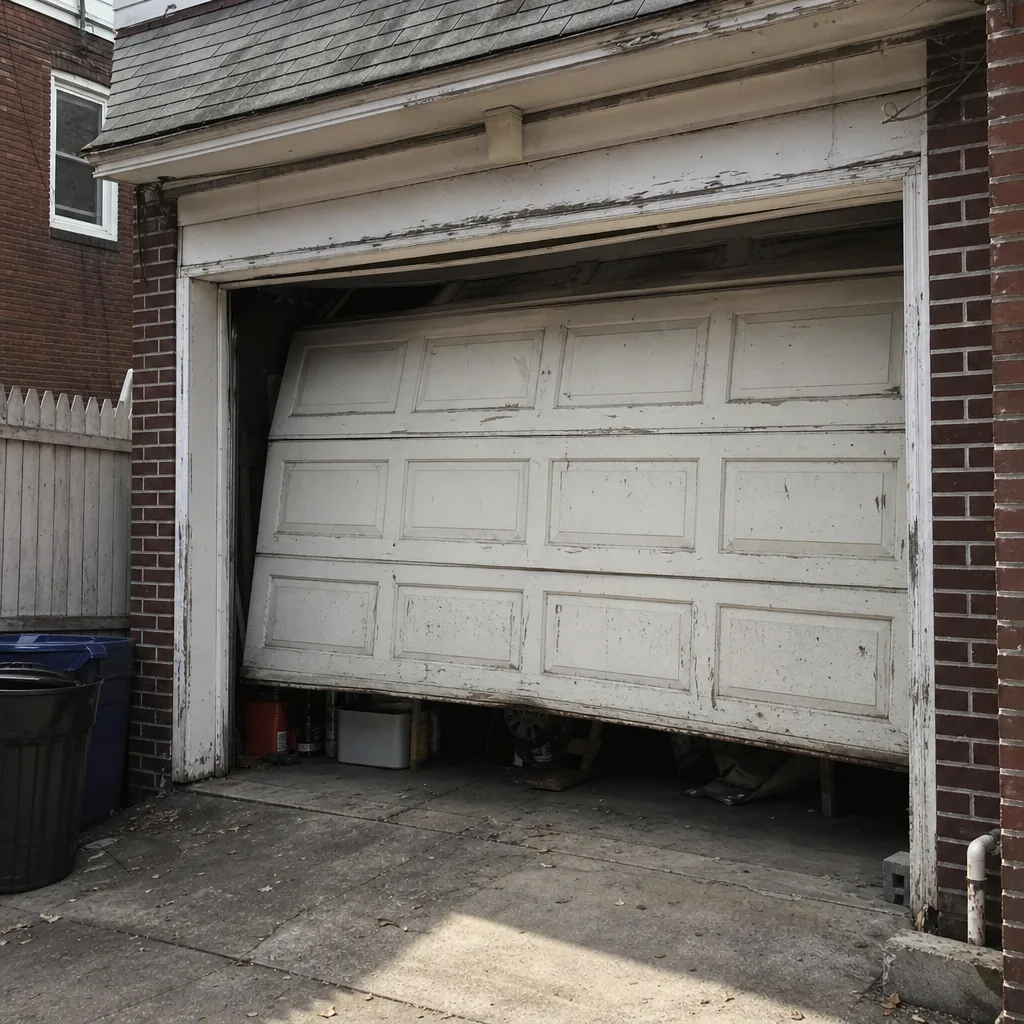 Before
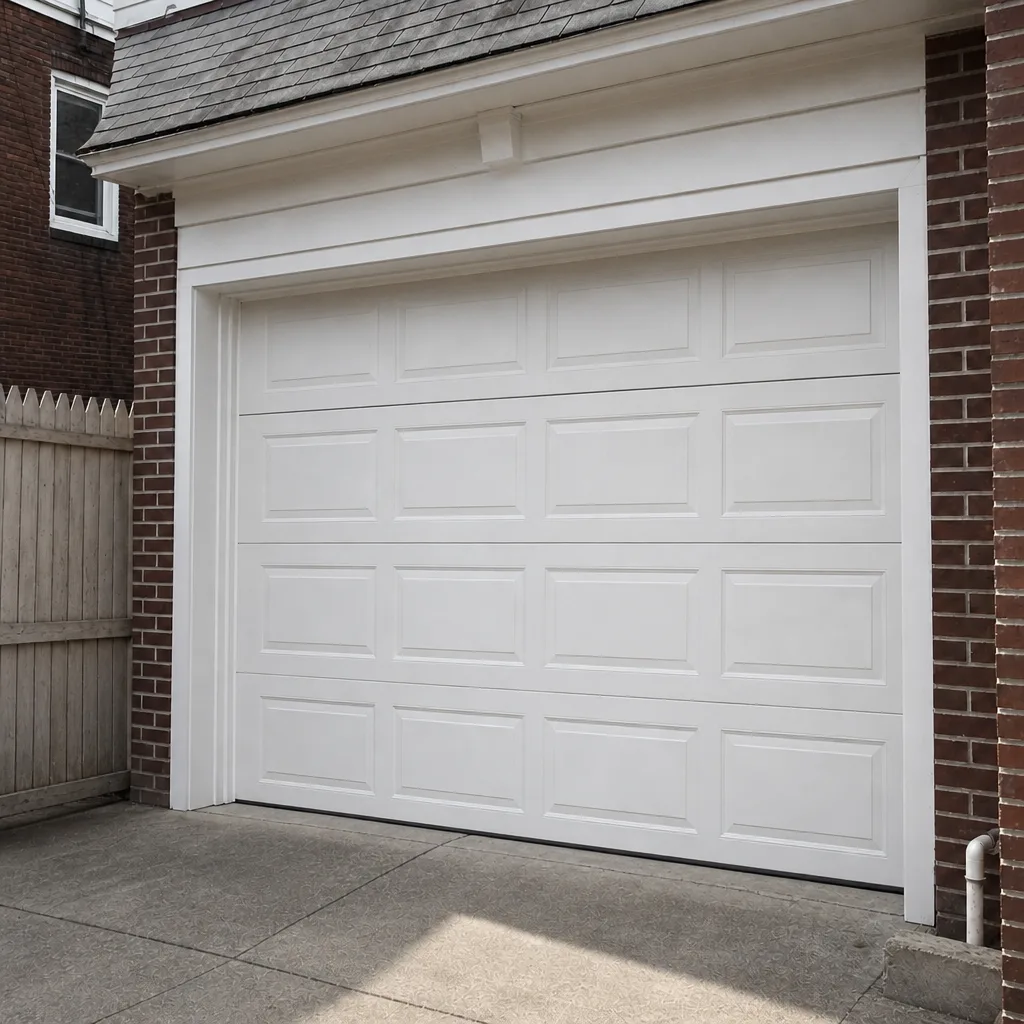 After
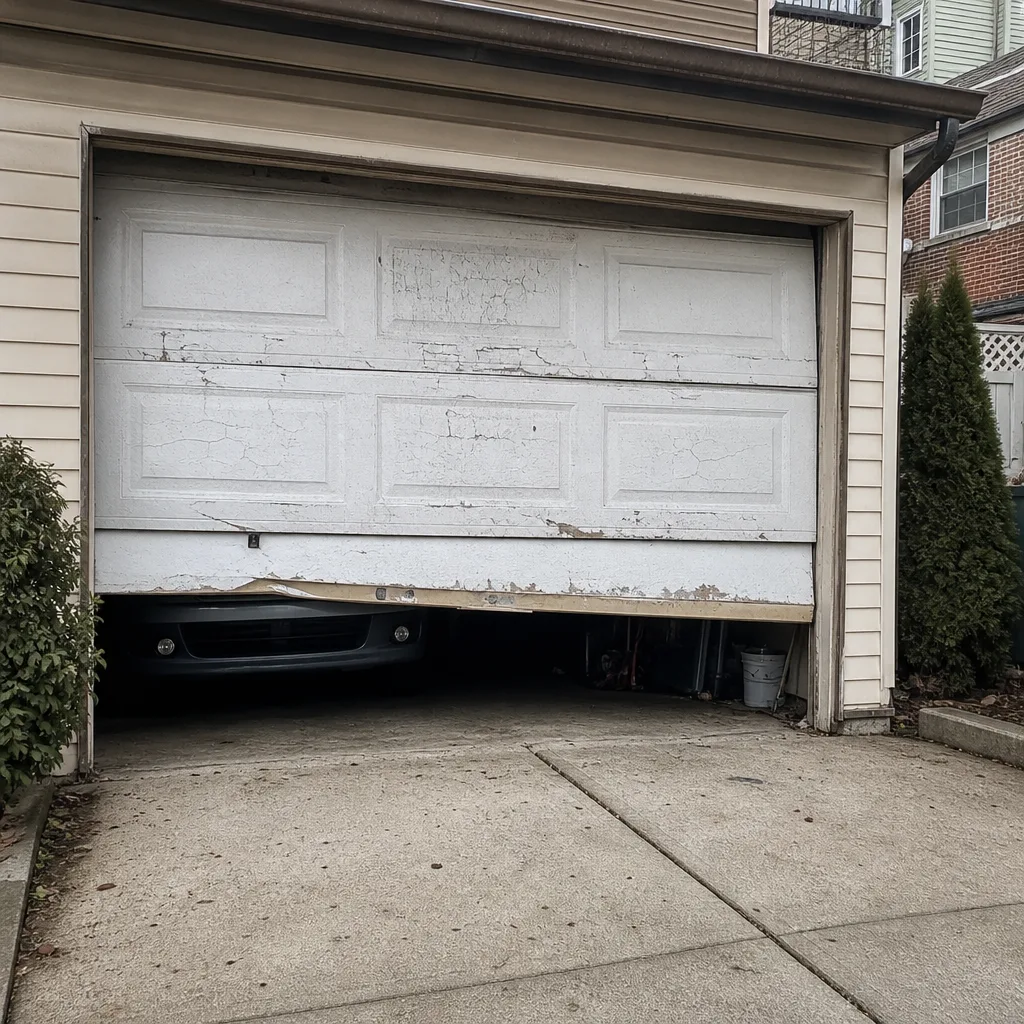 Before
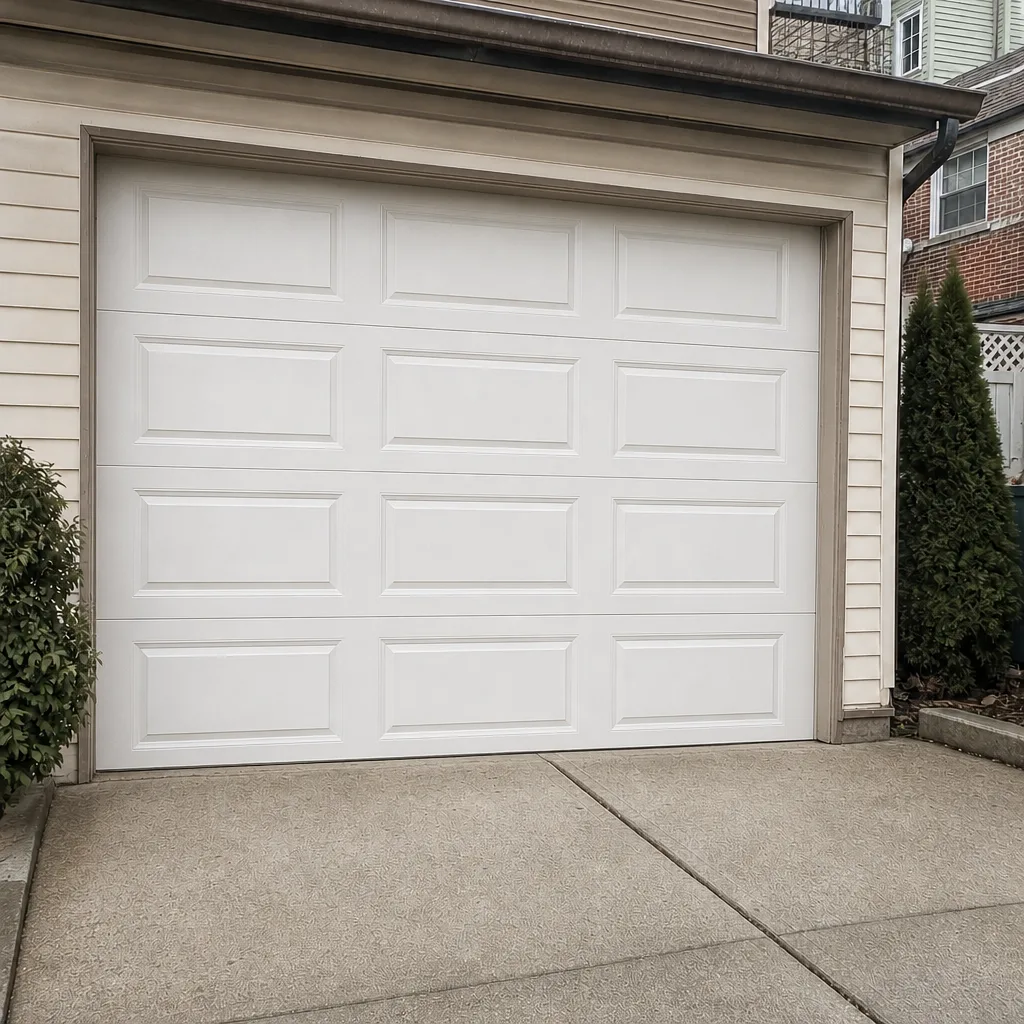 After
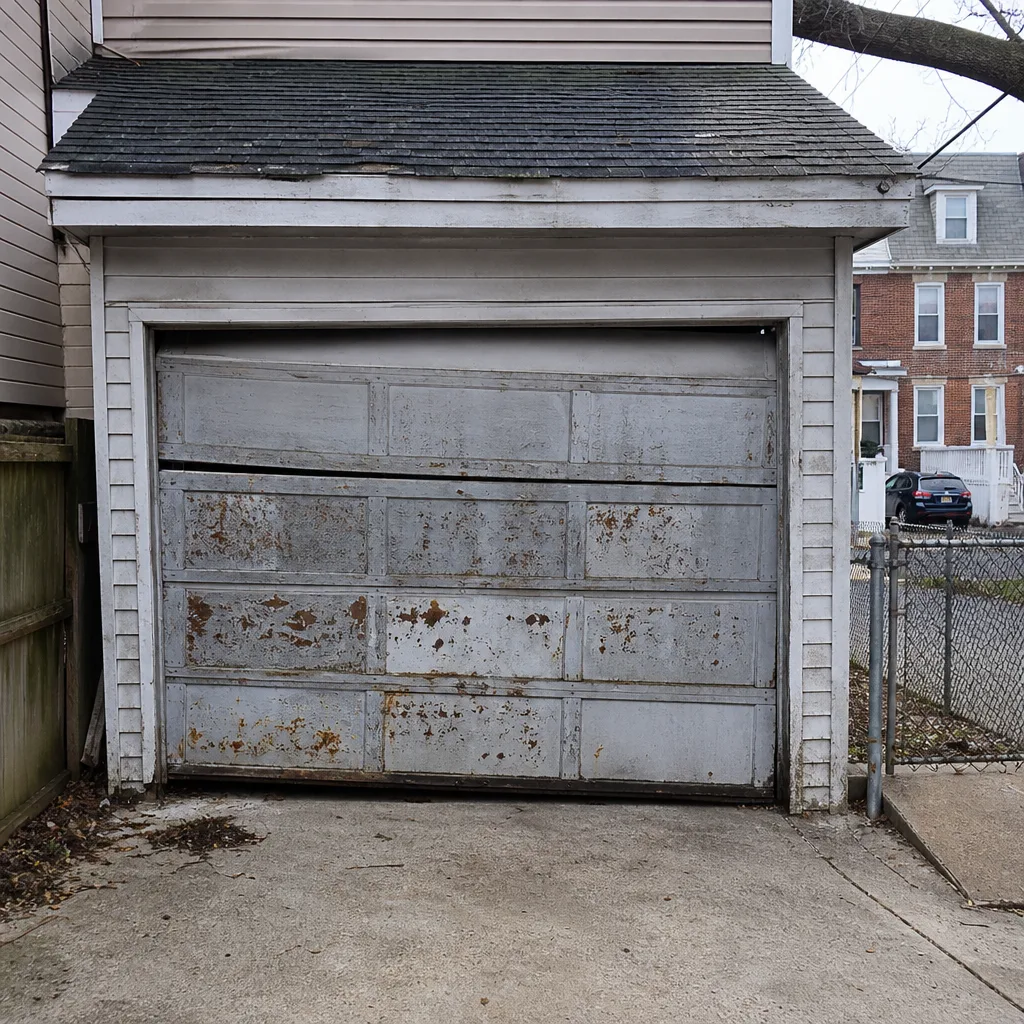 Before
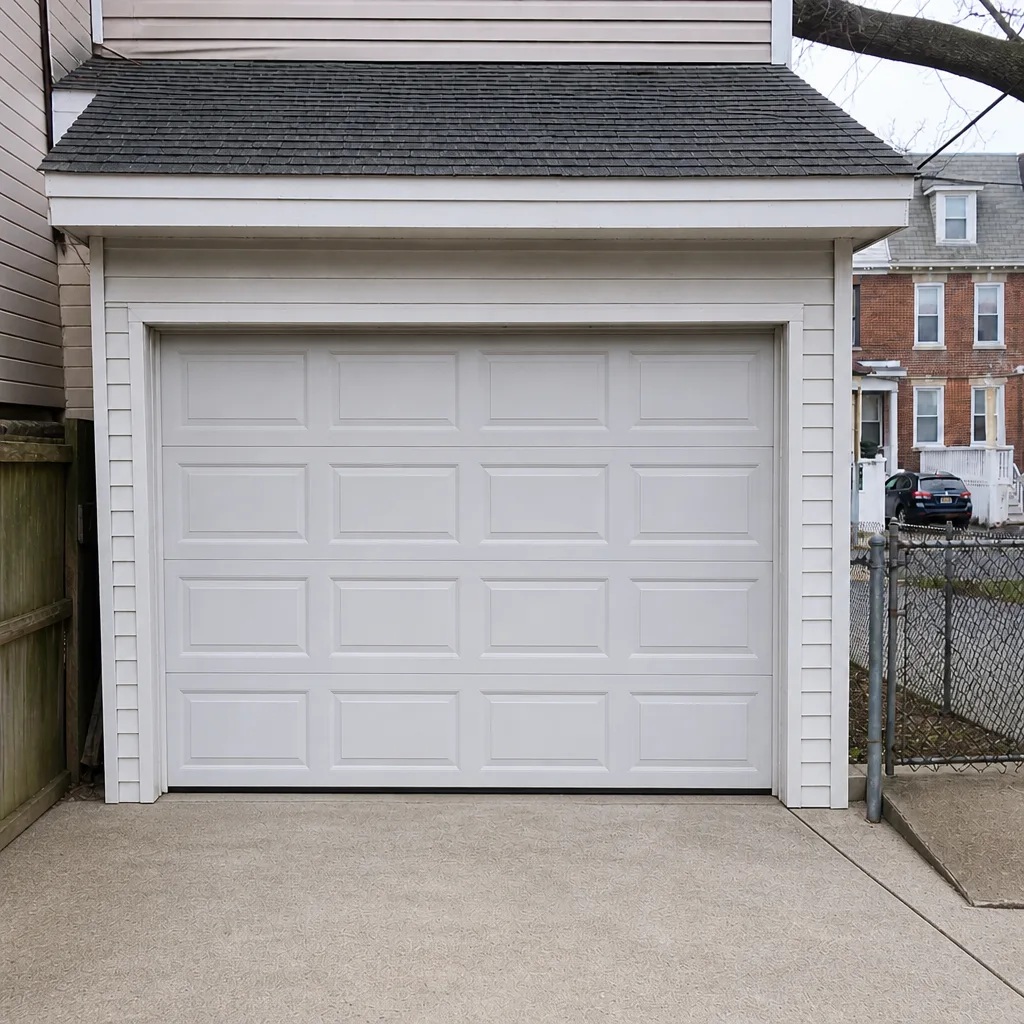 After
When to Call a Professional
Call a professional the moment the problem involves high-tension parts, the door won’t operate safely, or you’re unsure what’s wrong. That covers a door that won’t open or close, a spring that’s visibly broken or a door that feels suddenly much heavier, a cable that’s snapped or hanging loose, a door that’s come off its track or is hanging crooked, and an opener that reverses, won’t engage, or has stopped responding entirely. It also covers anything where you’re weighing a repair against a replacement – a trained eye can tell you which makes sense. Garage Door Repair Fishtown offers free estimates in Fishtown – call (833) 468-3037. We answer 24/7. Fast dispatch from 7am to 7pm, Sunday through Friday.
Frequently Asked Questions
Most garage door repairs are quoted per job by a written estimate, and spring replacement typically runs $180 – $340 for one spring, with a matched pair costing about twice that. The written quote sets the price and is agreed before any work starts, so you know the number before we begin. Call (833) 468-3037 for an exact quote – estimates are free.
For urgent repairs, same-day service is often possible. We answer 24/7, and dispatch runs 7am to 7pm Sunday through Friday. A call outside dispatch hours is booked into the next opening. Call (833) 468-3037 so we can hear what your door is doing and set up the next available visit.
No. The price is quoted and agreed before any work starts, and the written estimate is the price we hold to. If we find something during the visit that changes the scope, we tell you before proceeding so you can decide. Call (833) 468-3037 for a free estimate with the numbers up front.
The local professional who performs the work is licensed and insured as the state requires, and spring work is handled as a safety-critical job. We connect you with vetted local professionals who do this work directly. Call (833) 468-3037 to ask about your specific job – estimates are free.
In most cases, yes. Shallow garages in Fishtown can usually be fitted with a low-headroom track configuration that lets the door lift and stow in less vertical space than a standard setup needs. The right answer comes from measuring your headroom and backroom, so the first step is a free measure – call (833) 468-3037 to schedule one.
Yes. We work on the brand already in your garage and are trained across LiftMaster, Chamberlain, Genie, Clopay, Amarr, Wayne Dalton, Craftsman, and Raynor. That means correct diagnosis and compatible parts the first time, whether you have a legacy unit or a modern smart-home-compatible one. Call (833) 468-3037 to talk through the symptoms.
The Bottom Line
The Fishtown garage door guide comes down to a few things. Measure your opening and your headroom before anything else – the old door’s dimensions and the standard sizes online are unreliable here. Learn the parts so you can describe a problem clearly, and never touch a spring or cable yourself; that work is high-tension and genuinely dangerous. Know that spring repair, opener repair, and installation are related but different jobs, and having one provider who covers all of them, across the major brands, saves time and callbacks. And keep an honest eye on repair versus replacement – one failure is a fix, a pattern of failures is a signal. For anything involving a door that won’t move safely, call a professional.
Call (833) 468-3037 for a free estimate. We answer 24/7. Fast dispatch from 7am to 7pm, Sunday through Friday, and we’ll start with a real measurement of your garage, not a guess.
Written by the team at Garage Door Repair Fishtown.