
Last updated November 21, 2026
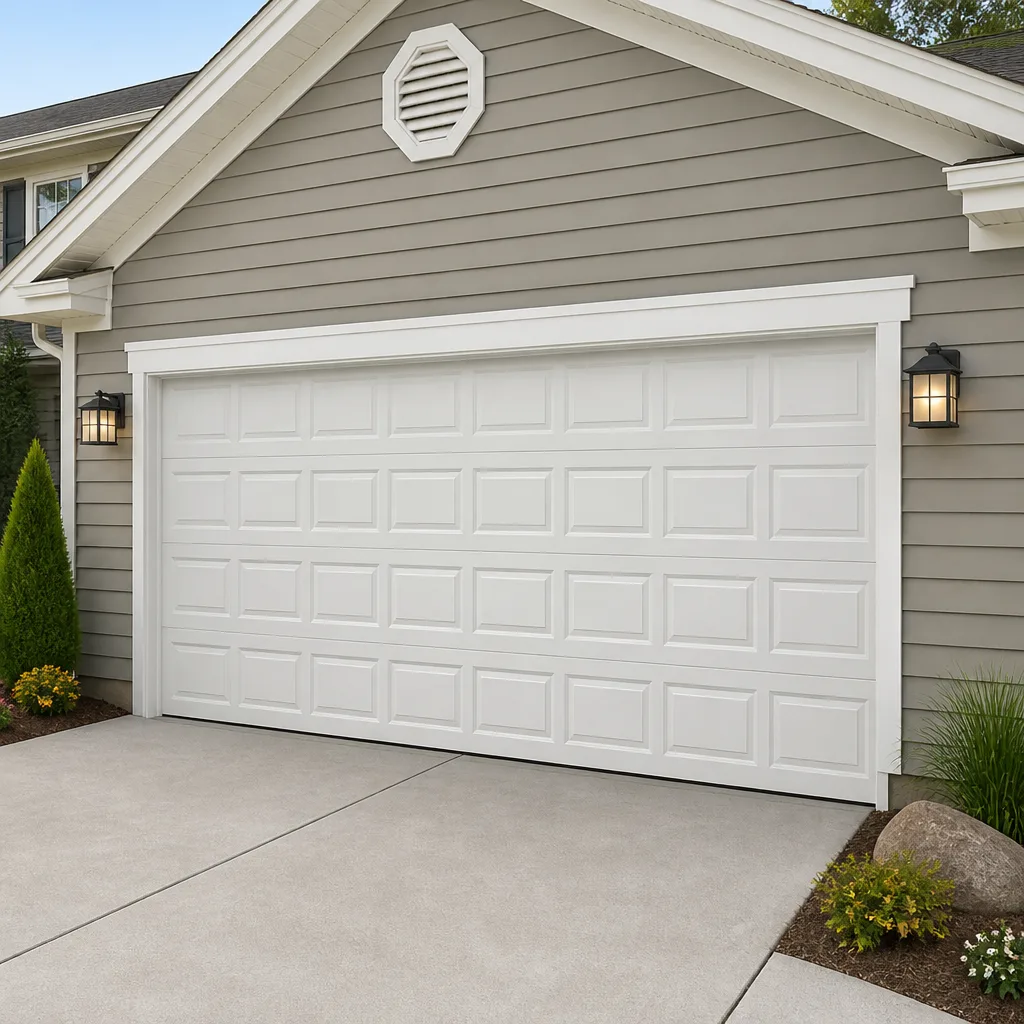 Raised-panel steel
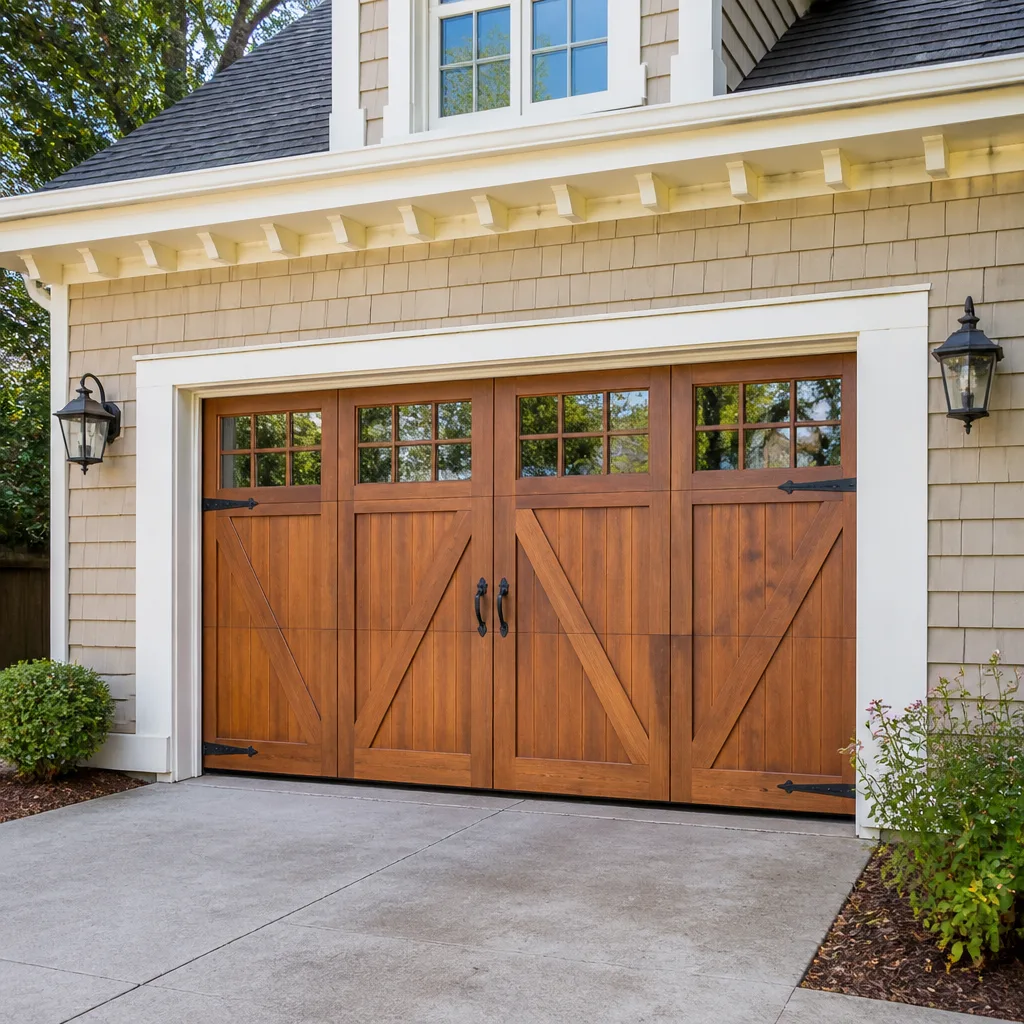 Carriage house
 Modern flush
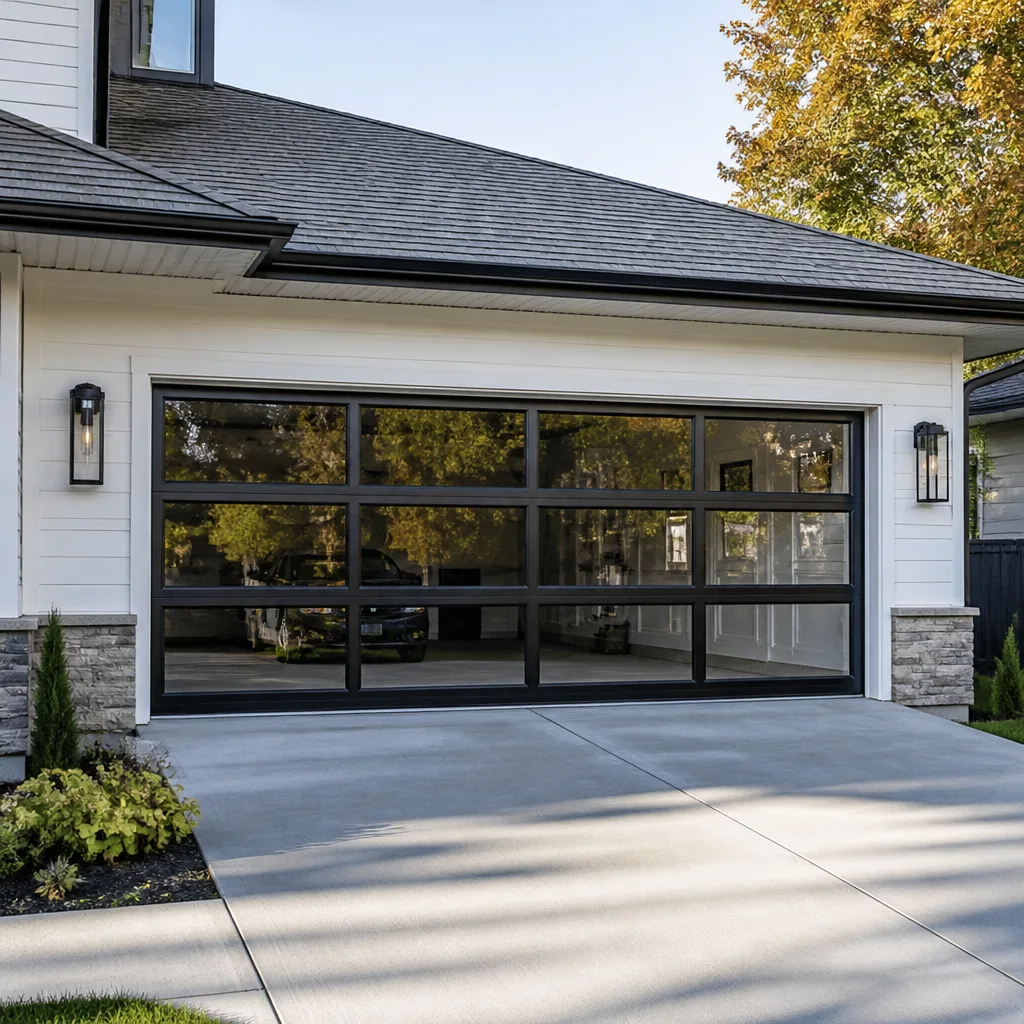 Full-view glass
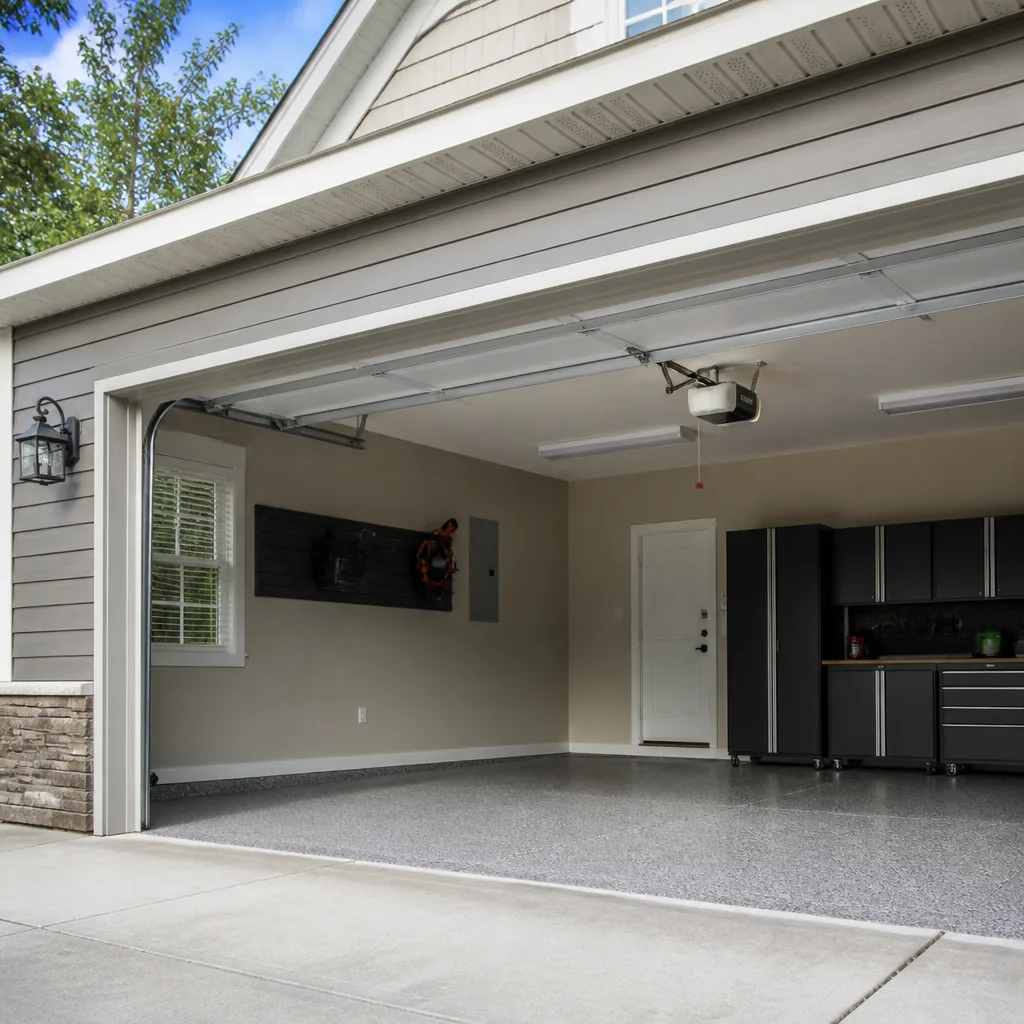 LiftMaster openers
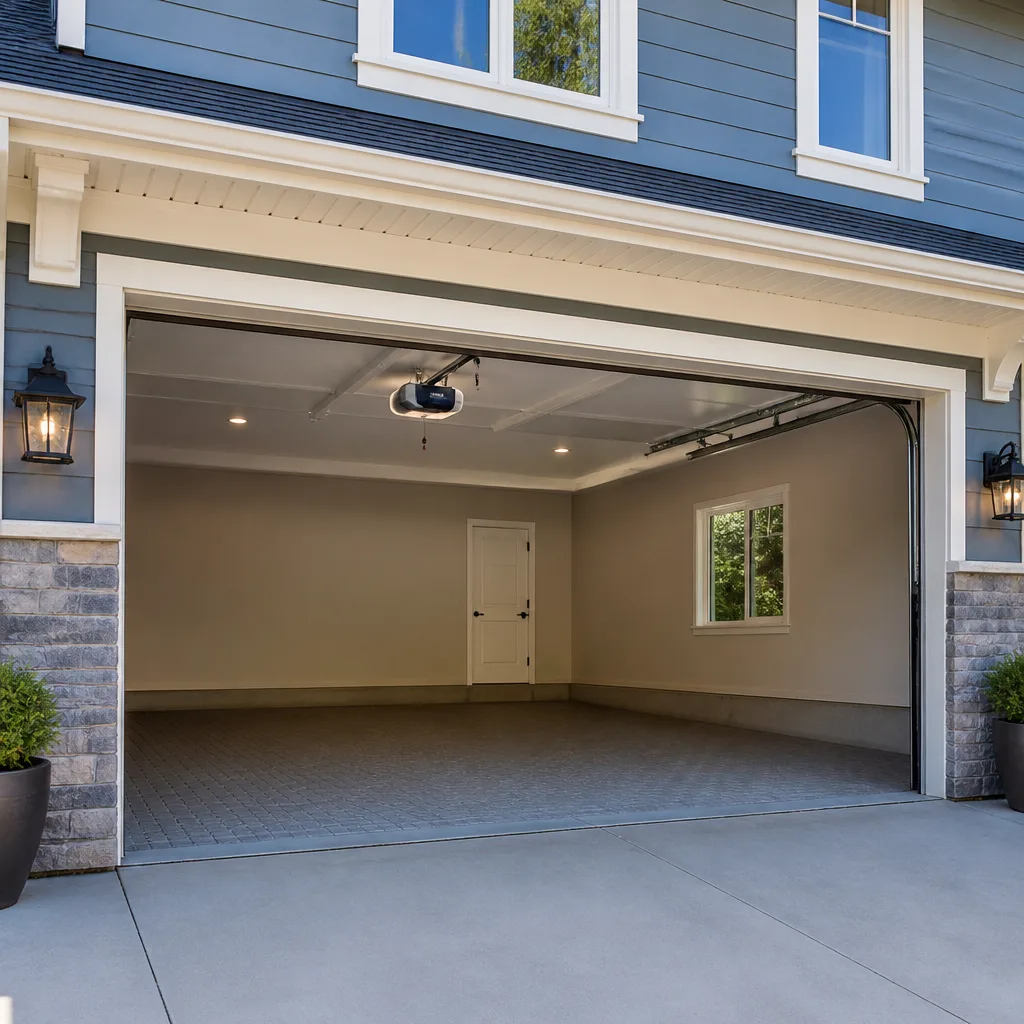 Chamberlain openers
Full 25-point door and opener safety check with every visit - springs, cables, rollers, tracks, and your LiftMaster or Chamberlain opener included
You get a price before we start. It does not change when the pro arrives.
Get your free estimateDIY vs Professional Garage Door: The Fishtown Homeowner’s Decision Guide
Here’s the part most DIY guides skip: a torsion spring holds enough stored energy that, if you release it the wrong way with the wrong tool, it can injure you before you have time to react. That’s not a liability warning tacked onto a sales pitch. It’s physics, and it’s the single fact that makes most of the DIY vs professional garage door question easier to answer than it looks. Once you understand which jobs carry that mechanical risk and which don’t, the rest of the list sorts itself out.
This guide draws a hard line. It covers the tasks a careful Fishtown homeowner can genuinely handle, the ones that cannot be safely improvised, and why the older garages around this neighborhood shift the risk calculus compared to a newer suburban build. By the end you’ll know exactly where your skill ends and a trained technician’s begins.
Quick Answer
For a standard residential garage door, weatherstripping, lubrication, sensor alignment, and roller or hinge swaps on a door with the springs released are reasonable DIY tasks. Torsion spring replacement, cable replacement on a loaded door, and track realignment under spring tension are not DIY jobs at any skill level, because the stored energy and release sequence require proper winding bars and training. In Fishtown specifically, aging wood frames and non-standard headers common in older garages add risk to jobs that might be borderline elsewhere, so the pro line sits a little earlier than on a newer build.
Styles & brands we work with
- Raised-panel steel
- Carriage house
- Modern flush
- Full-view glass
- LiftMaster openers
- Chamberlain openers
Table of Contents
- The Real Question Isn’t Skill, It’s Stored Energy
- The No-DIY List, and the Mechanical Reason for Each
- What You Can Genuinely Do Yourself
- The Hidden Cost of a DIY Mistake
- Tool Reality Check: Springs vs. What YouTube Shows
- Why Fishtown Garages Change the Risk Math
- Opener Work: Where the Line Falls
- Common Mistakes to Avoid
- When to Call a Professional
- Frequently Asked Questions
The Real Question Isn’t Skill, It’s Stored Energy
Most homeowners frame the DIY question as a skill test: am I handy enough? That framing is misleading for garage doors. A torsion spring is a coiled steel rod under extreme tension that holds the entire weight of the door, usually hundreds of pounds. It doesn’t care how competent you are with a drill. When it releases improperly, it releases with the full stored force, and no amount of general handiness changes that.
This is the reason spring work is a named specialty in the trade. Many general handymen avoid it or subcontract it, because the job needs specific tools and a specific technique that you either have or you don’t. In our experience, the homeowners who get hurt or damage their door aren’t careless people. They’re capable people who didn’t realize that this one component sits outside the normal skill spectrum.
So the useful way to sort tasks is by mechanical risk, not by difficulty. A few categories:
- Low stored energy, no tension: weatherstripping, lubrication, sensor work. These are genuinely DIY-safe.
- Moderate weight, manageable with care: individual rollers and hinges, but only on a door with the spring tension released.
- High stored energy, single point of failure: torsion and extension springs, cables on a loaded door, tracks under tension. These are professional-only.
Once you see the tasks in those three tiers, the decision stops being about confidence and becomes about which tier a job belongs to. That’s the entire guide in one idea.
The No-DIY List, and the Mechanical Reason for Each
Three jobs physically cannot be safely improvised by a homeowner, regardless of skill. Here is each one and the mechanical reason it belongs on the pro list.
Torsion spring replacement
A torsion spring sits on a shaft above the door and is wound to counterbalance the door’s weight. To replace it you must first safely release the existing tension, then rewind the new spring to a specific number of turns. The release and rewind both require proper winding bars and a controlled hold on the shaft. If the bar slips or the spring is released without holding the shaft, the spring unwinds violently with nothing to stop it. This is the single most dangerous task on any garage door, and it’s why spring repair is professional-only.
Cable replacement on a loaded door
The cables connect the door to the springs and carry part of that tension. A cable under load can snap or whip when handled, and a cable that’s replaced while the springs are still wound is being installed under tension the whole time. Cables are only safe to work on with the springs fully released, and releasing the springs safely is itself the spring job. That dependency is what pulls cable work onto the pro side.
Track realignment under tension
Tracks look like simple bent metal. Under a loaded door they’re part of a tensioned system, and forcing a track back into place while the springs are live can bind or suddenly free the door. Track work is safe only once the tension is off, which again means the grown-up version of the job belongs to a trained technician.
A quick way to remember the no-DIY list: if the task involves the springs directly, or anything the springs are currently holding, it’s a professional job. Our technicians have up to 11 years of experience precisely because that work is unforgiving.
What You Can Genuinely Do Yourself
Plenty of garage door maintenance is well within reach of a careful homeowner, and doing it yourself saves you a service call. These four tasks are the safe end of the spectrum. For all of them, the door should be closed when you can get to the relevant part, and where a task touches moving hardware, the springs must be released first (which, on a wound door, means letting a technician take the door out of tension).
1. Weatherstripping
The bottom seal and the perimeter strips keep out water, drafts and pests. A worn bottom seal is cheap to replace. Close the door, peel out the old seal from its channel, slide the new one in, and trim to length. No tension is involved because the door stays down and the springs aren’t touched.
2. Lubrication
A dry or noisy door usually needs lubricant, not parts. Apply a garage-door-specific lubricant to the hinges, rollers, and the torsion shaft bearings, and check the track for debris. This one task, done a few times a year, does more for door life than almost anything else on the list.
3. Sensor alignment
If the door reverses or won’t close, the safety sensors at the base of the tracks are the usual culprit. Wipe the lenses, check that both sensors point at each other, and confirm the indicator lights are steady. It’s electronics, not tension, so it’s fair game for a homeowner.
4. Roller replacement on a disconnected door
Noisy or worn rollers can be swapped, but only on a door with the spring tension released and the door secured. If the door is still wound, leave this to a pro. On a released door, unlock a hinge, slide the old roller out, seat the new one, and reattach.
The pattern is consistent: anything that stays away from stored energy is yours to handle. Anything that touches it is a phone call.
The Hidden Cost of a DIY Mistake
A garage door is a system, not a collection of parts. The springs, cables, rollers, and opener all share the load of moving the door, and they’re balanced against each other. That balance is the whole point of the spring setting. Get it wrong and the consequences spread.
The clearest example is a misadjusted spring. If a spring is wound to the wrong number of turns, the door isn’t counterbalanced correctly. That imbalance doesn’t just make the door heavy or light. It transfers constant extra force onto the cables, which wear faster. It wears the rollers unevenly. And it makes the opener work harder on every open and close, which shortens the opener’s own life. One small adjustment error quietly taxes four different components at once.
The common chain of events looks like this:
- The spring is adjusted or replaced slightly off, so the door is unbalanced.
- The opener strains to lift a door it wasn’t sized for, and runs hotter and louder.
- The cables wear faster from the added load and one eventually frays.
- The rollers develop flat spots from the uneven pull, and the door gets noisy and jerky.
- The homeowner replaces the opener or rollers, but the imbalance is still there, so the problem keeps coming back.
This is the hidden cost. A DIY spring job that “works” in the sense that the door opens isn’t done. It’s a slow drain on the whole system. For more on getting spring work done correctly, see our guide to garage door repair.
Tool Reality Check: Springs vs. What YouTube Shows
Watch a spring replacement video and the job looks improvised: a couple of bars, a little muscle, done in twenty minutes. That’s the edit, not the reality. This is where a competent homeowner gets misled, because the tools in the video look ordinary and the sequence looks to be about leverage.
What a torsion spring job actually requires:
- Correctly sized winding bars. Diameter and length both matter; a bar that’s too thin or the wrong shape for the winding cone can slip under load.
- Two bars, held in sequence. You wind and hold with one while repositioning the other, and you never let the shaft take over. One bar is not enough, and the video tends to gloss over the holds.
- Spring gauges and the right replacement spring. Door weight, not guesswork, determines the correct spring. A wrong-gauge spring is either dangerously over-tensioned or won’t hold the door.
- A safe release sequence. Getting the existing spring unwound without injury is its own skill, separate from winding the new one.
- A backup hold. Locking pliers or the equivalent so the shaft can’t turn while you’re repositioning.
Every one of those is a way to get hurt if skipped, and none of them are visible in a sped-up video. The tool reality check settles the spring question: the tools aren’t the issue, the discipline and the sequence are. Springs are under extreme tension – this is not a DIY repair, and no tool list makes it one for an untrained homeowner.
Why Fishtown Garages Change the Risk Math
The physical setting a door lives in changes how risky a job is, and Fishtown’s housing stock is a big part of that. This is a neighborhood of older rowhouses and converted buildings, and older garages bring infrastructure that newer suburban builds don’t. Three things in particular raise the DIY risk ceiling here.
Aging wood frames. Older door frames around Fishtown are often original wood that has swelled, settled, or softened over the years. A frame that moves is a problem for parts installed precisely, and it’s the kind of issue that doesn’t show up until you’re mid-install with a track that won’t sit square.
Non-standard headers. A door header is the beam above the opening that carries the weight of the wall and the tracks. Older rowhouse construction means the opening and the header weren’t built to a modern standard, so anything that needs exact dimensions or exact spring tension has less margin for error. Hanging a new track or a heavier door on a header that wasn’t designed for it isn’t a job to figure out by feel.
Tight clearances. Tight rowhouse lots and alley garages give you less room to swing a door, less room around the tracks, and less room to safely handle long winding bars. The tools that need clearance in a newer drive-through garage don’t always have it here.
For a homeowner in Fishtown, this means the borderline tasks tip toward professional help sooner than they would on a 2010s suburban build. It’s also why brand fluency matters when a door needs service: the right technician reads the opening, measures the door, and picks the correct spring and track hardware rather than improvising around an odd frame. For a closer look at the area-specific work, our Garage Door Repair Fishtown team knows the local homes well.
Opener Work: Where the Line Falls
The opener is a separate decision from the door itself. A lot of opener troubleshooting is genuinely safe, but there’s a point where it stops being DIY. The line is around anything that involves the drive mechanism’s load or the opener’s internal reverse switch and force settings.
Safe for a homeowner:
- Replacing the batteries in a remote, keypad, or wall control.
- Checking that the opener is plugged in and the circuit isn’t tripped.
- Reading the manual to re-pair a remote or a smart-home app.
- Wiping the safety sensor lenses and checking their alignment.
Not a good idea to improvise:
- Adjusting the opener’s force limit or travel limit without knowing how the door is balanced, because the wrong setting strains the door and masks a bigger problem.
- Replacing a logic board or motor assembly on the unit itself.
- Any repair where the opener is fighting an unbalanced door, which points back to the springs.
The reason it matters is that an opener problem is often a door problem in disguise. An opener that reverses randomly, trips its own limit, or sounds strained is usually reacting to a door that isn’t balanced. The right fix is to diagnose the whole system, not replace the opener. We work on the brand already in your garage, so if it’s a Chamberlain, LiftMaster, Genie, or Craftsman unit, our technicians diagnose and source compatible parts without trial and error. For opener-specific issues, see garage door opener repair.
Common Mistakes to Avoid
- Treating a spring like a heavy spring. The risk isn’t the door’s weight, it’s the spring’s stored energy. A homeowner who plans around the weight rather than the tension is planning for the wrong problem.
- Replacing one spring on a matched pair. Springs are usually installed as a balanced pair, and replacing one leaves the door unbalanced. An unbalanced door works the opener and cables harder from day one.
- Forcing a misaligned track. Bending a track back into place while the springs are wound can free the door or damage the track beyond straightening. In older Fishtown garages, where the frame may have shifted, a track that looks off is often a symptom, not the cause.
- Swapping rollers or hinges on a wound door. A roller swap is only safe with the tension released. Doing it on a loaded door is the same mechanical risk as spring work, just less obvious.
- Adjusting the opener’s force setting to mask a door problem. Crank the force higher and the opener can push through a stiffness it shouldn’t, which shortens its life and hides an imbalance underneath.
- Ignoring a home’s non-standard opening. In a Fishtown rowhouse, the header and frame may not be standard, so measuring a replacement by eye and ordering to that guess is a fast way to end up with a door that won’t sit right.
- Taking on spring work with a single tool and no backup hold. The winding bar gets all the attention, but the backup hold on the shaft is what keeps a released spring from turning the whole assembly.
When to Call a Professional
Call a professional when a job involves the springs, a cable on a loaded door, a track under tension, or any opener repair beyond batteries and sensor alignment. Stop and call if you hear a bang from the garage and the door won’t lift, if the door comes off its tracks, if a cable looks frayed, or if the door moves unevenly or reverses for no obvious reason. Older Fishtown homes are also a reason to call earlier: aged wood frames and non-standard headers make precise work harder, and a technician can read the opening before anything is ordered or unbolted.
Garage Door Repair Fishtown offers free estimates in Fishtown – call (833) 468-3037. We answer 24/7 and provide free estimates with a written price set before any work begins. For a door that won’t move or a car trapped by a broken door, we offer fast dispatch from 7am to 7pm, Sunday through Friday, and we can schedule a full garage door installation when the door itself is beyond repair.
Frequently Asked Questions
No. A torsion spring is under extreme tension and requires proper winding bars, a safe release sequence, and the correct spring gauge for your door; releasing it improperly can cause serious injury. This is the one garage door task that’s professional-only regardless of how handy you are. We handle torsion and extension spring work directly, and call (833) 468-3037 for a free estimate.
Weatherstripping, lubrication, safety sensor alignment, and roller or hinge replacement on a door with the springs released are reasonable DIY tasks. Anything touching the springs or a loaded cable is not. If you’re unsure which category a job falls into, it’s worth a call to confirm before you start – estimates are free at (833) 468-3037.
Spring repair is priced per job by a written estimate, so the exact number depends on the door, the number of springs, and what we find once we measure. A spring price is for one spring, and a matched pair is usually replaced together, so a pair costs about twice a single. Call (833) 468-3037 for an exact quote – the estimate is free, and the price is quoted and agreed before any work starts.
No. The written estimate sets the price, and that’s the number you agree to before any work begins. If we find something during the job that changes the scope, we go through it with you and get agreement before continuing. Call (833) 468-3037 to book your free estimate.
A misadjusted spring throws the door out of balance, which adds constant strain to the cables, rollers, and opener at the same time. That means the repair isn’t the only thing you pay for – you’re replacing wear on several components sooner than you should. Getting the balance right the first time is what protects the rest of the system. Call (833) 468-3037 for an exact quote.
The local professionals we connect you with are licensed and insured as their state requires. We can work with your insurer if a repair is claim-related. Our technicians have up to 11 years of experience, and we work on the eight most widely installed brands, including Clopay, Amarr, Wayne Dalton, and Craftsman. Call (833) 468-3037 for details.
Yes, same-day service and fast dispatch from 7am to 7pm, Sunday through Friday are available for urgent repairs like a stuck door, a snapped spring, or a door that’s come off its tracks. We answer 24/7, and a call outside dispatch hours is booked into the next opening, Sunday through Friday, 7am to 7pm. Call (833) 468-3037 and we’ll get your door moving.
Often, yes. Aging wood frames, non-standard headers, and tighter clearances are common in Fishtown’s older rowhouse garages, which means a technician has to read the opening and measure the door before ordering or adjusting anything. That extra step is why some borderline DIY jobs are better handled professionally in this neighborhood. Call (833) 468-3037 for a free estimate.
The Bottom Line
The DIY vs professional garage door question comes down to stored energy, not skill. Weatherstripping, lubrication, sensor alignment, and roller swaps on a released door are reasonable for a careful homeowner. Torsion spring replacement, cable work on a loaded door, and track realignment under tension are not, because the risk comes from the tension itself, not from whether you’re handy enough. The hidden cost of a DIY mistake isn’t just the failed repair – it’s the wear a misadjusted spring puts on your cables, rollers, and opener. In Fishtown, aging wood frames and non-standard headers tip the borderline cases toward professional help earlier than on a newer build. When in doubt, get an expert read before you start.
When your door won’t move, we move fast. One call covers installation, repair, openers, and emergencies. Call (833) 468-3037 for a free estimate. We answer 24/7. Fast dispatch from 7am to 7pm, Sunday through Friday.
Written by the team at Garage Door Repair Fishtown.
See the difference
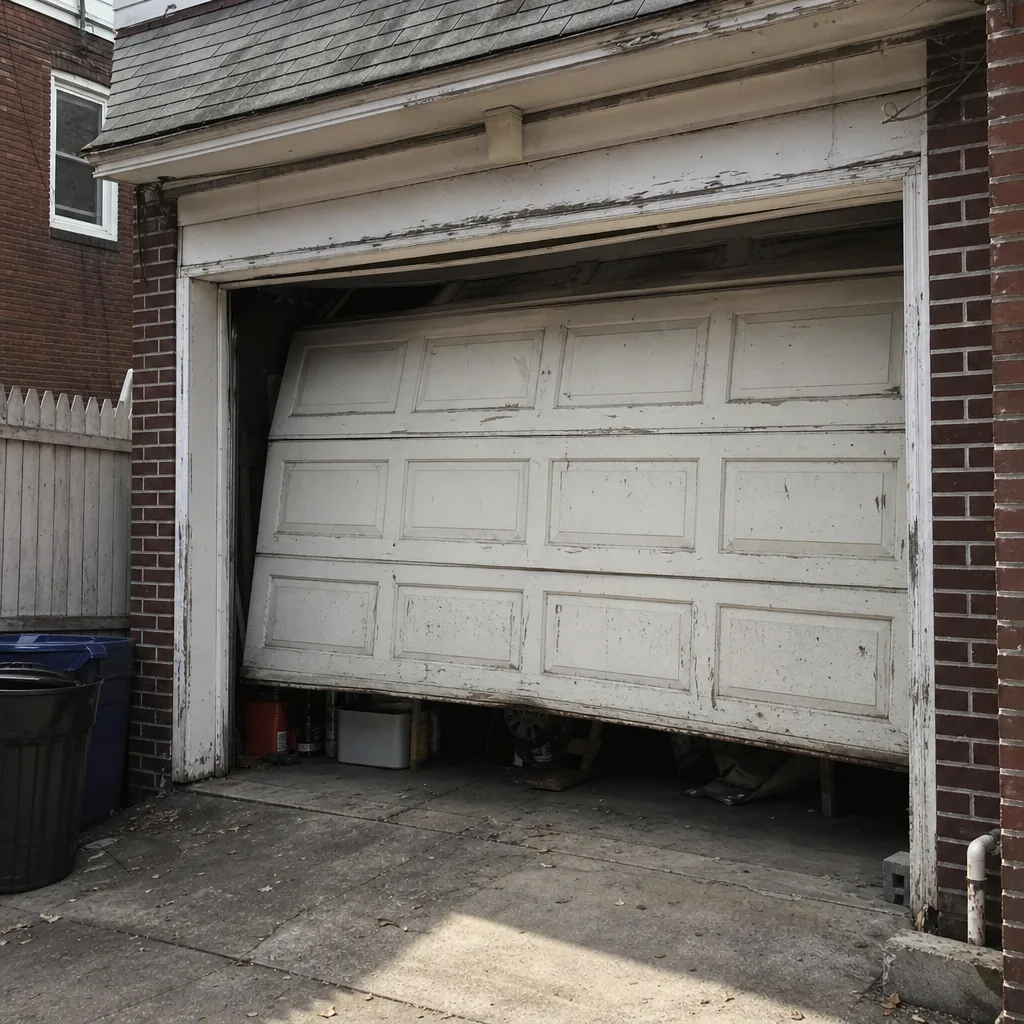 Before
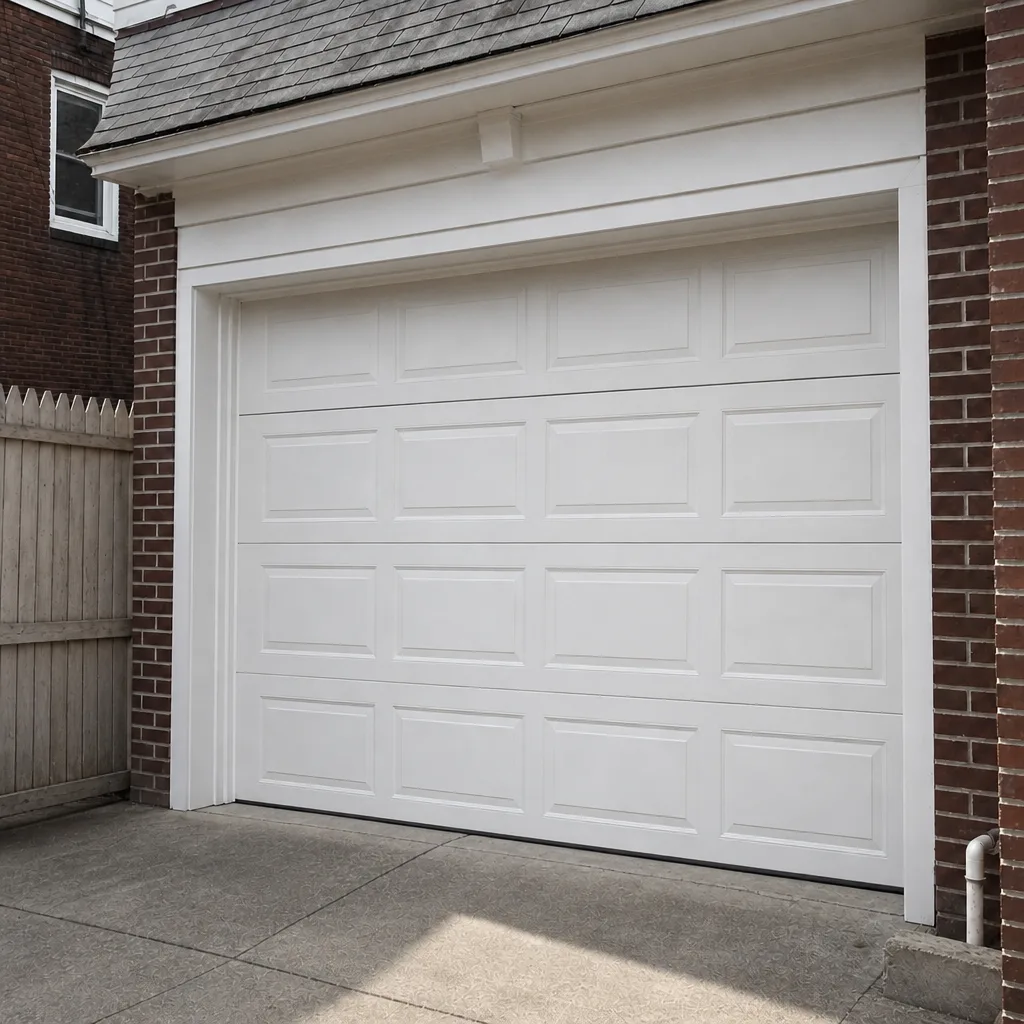 After
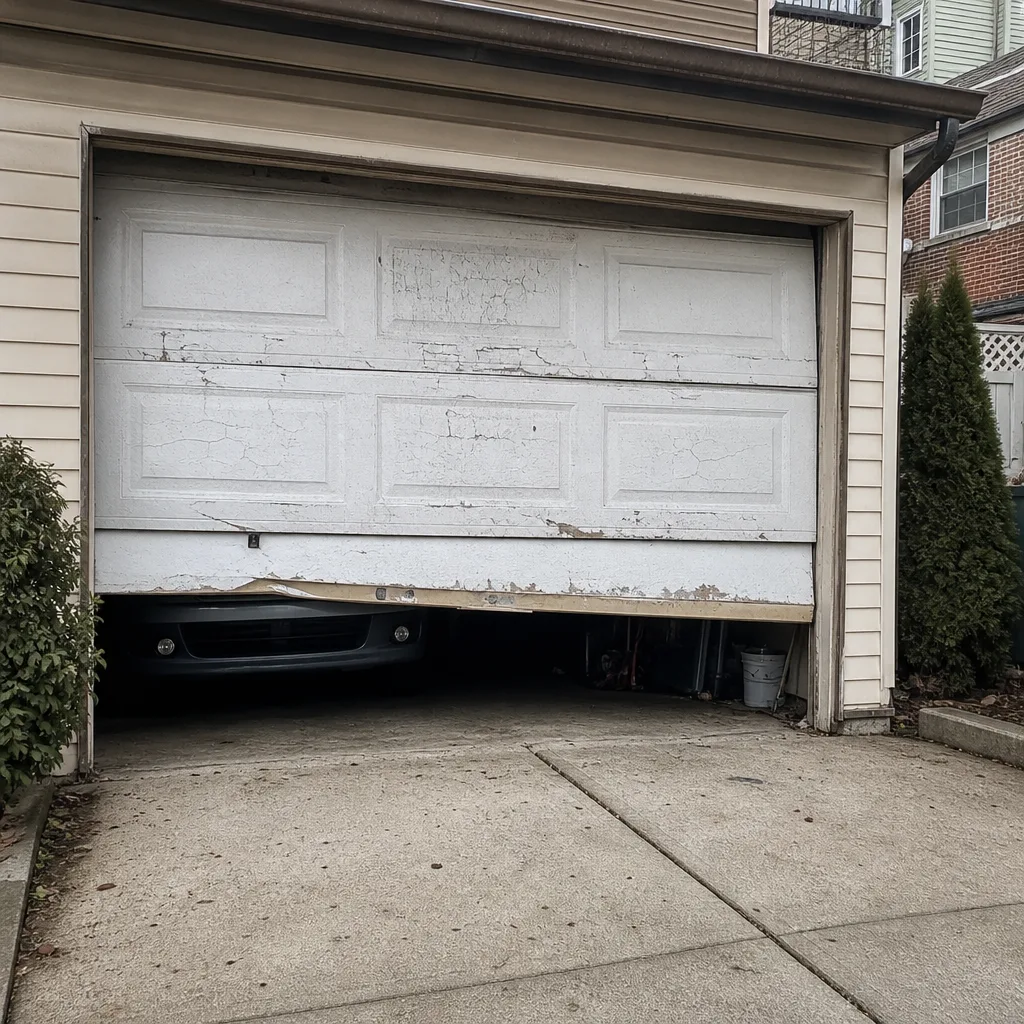 Before
 After
 Before
 After