
Last updated November 21, 2026
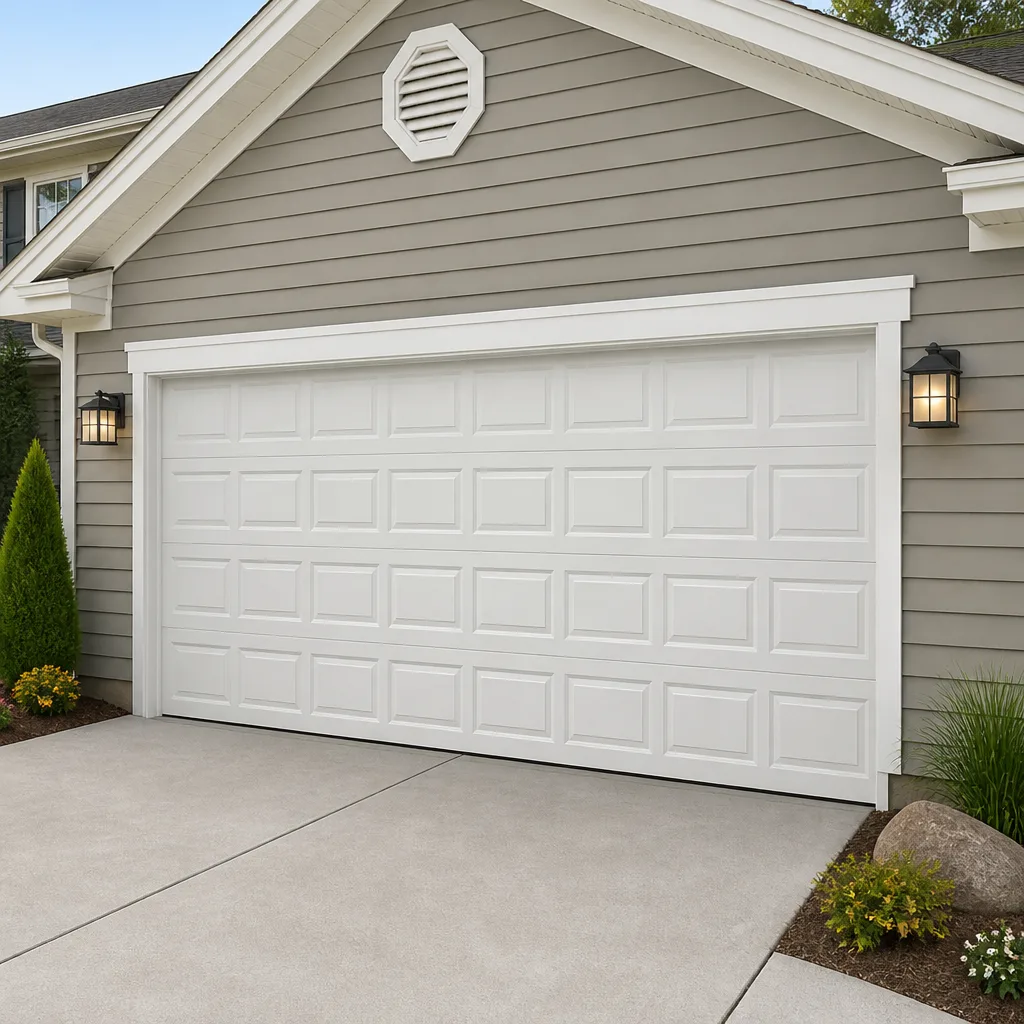 Raised-panel steel
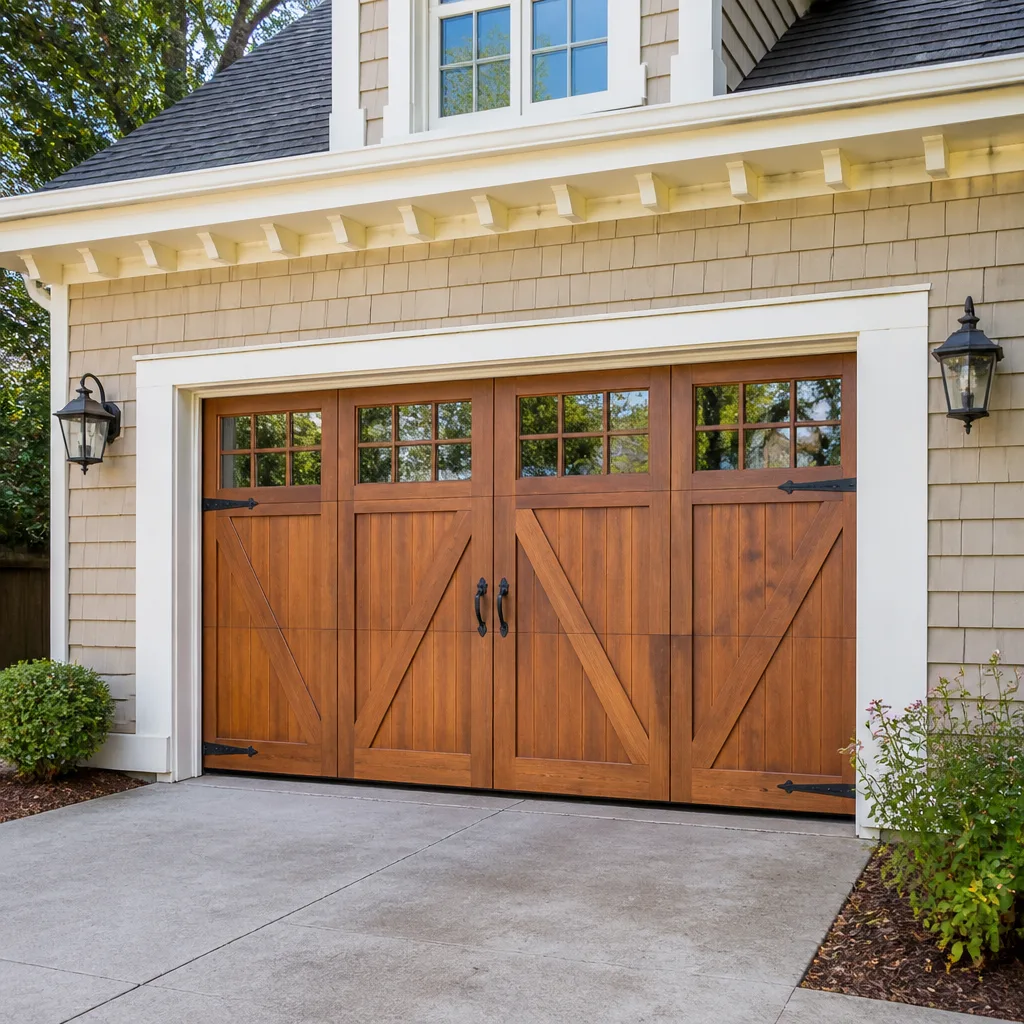 Carriage house
 Modern flush
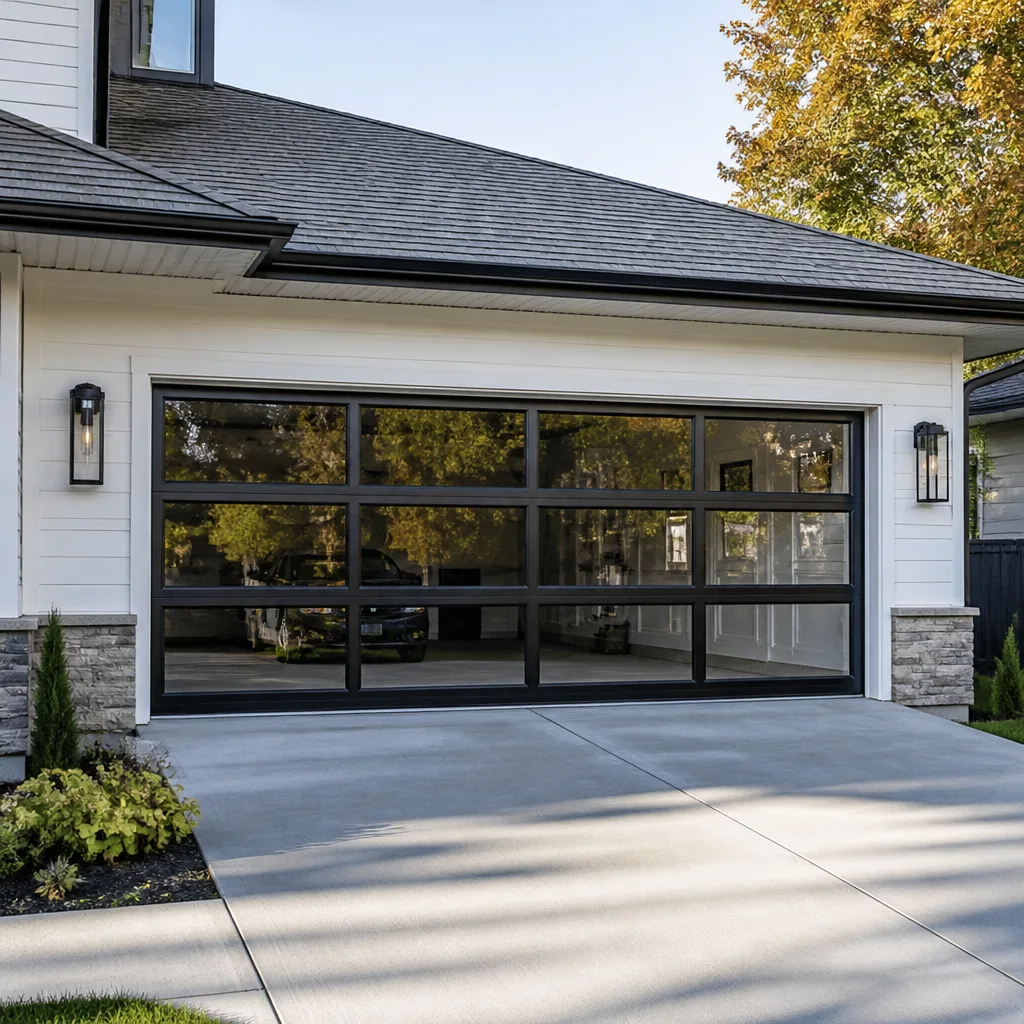 Full-view glass
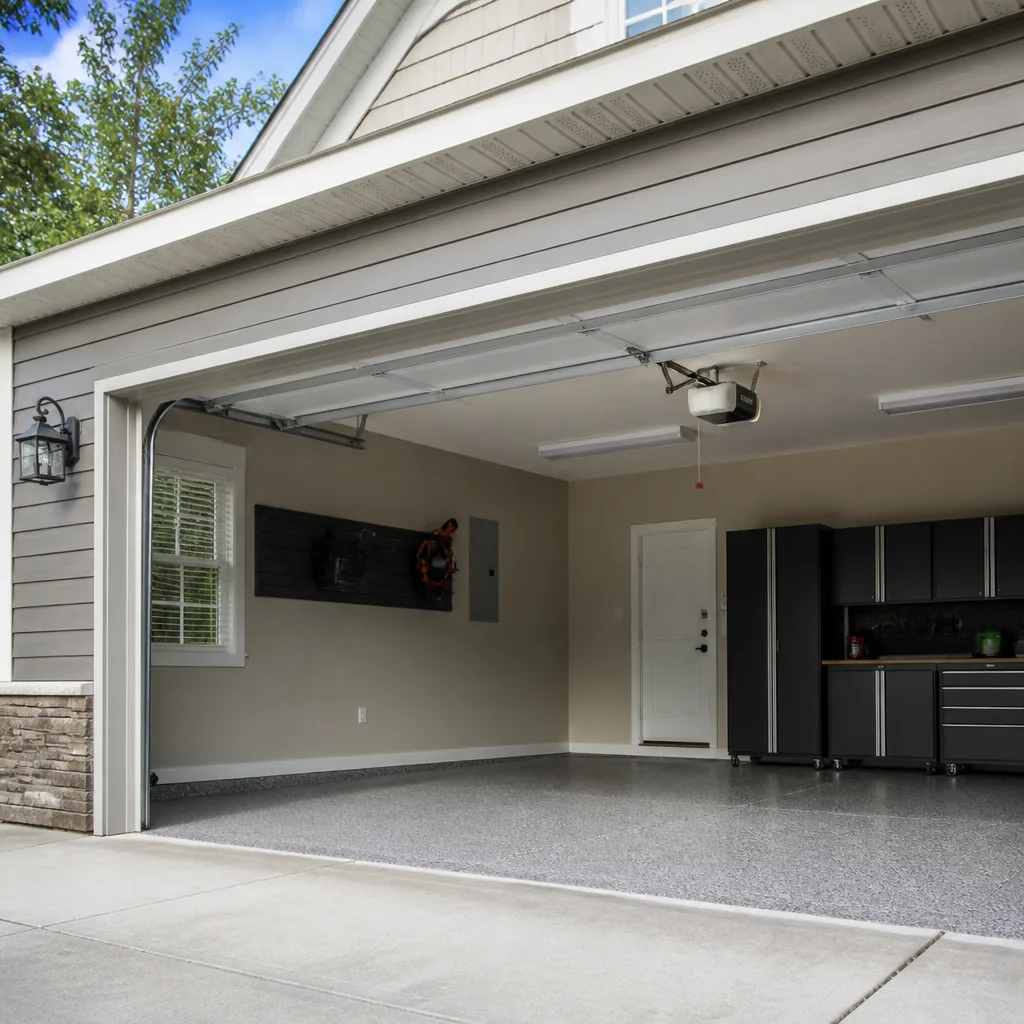 LiftMaster openers
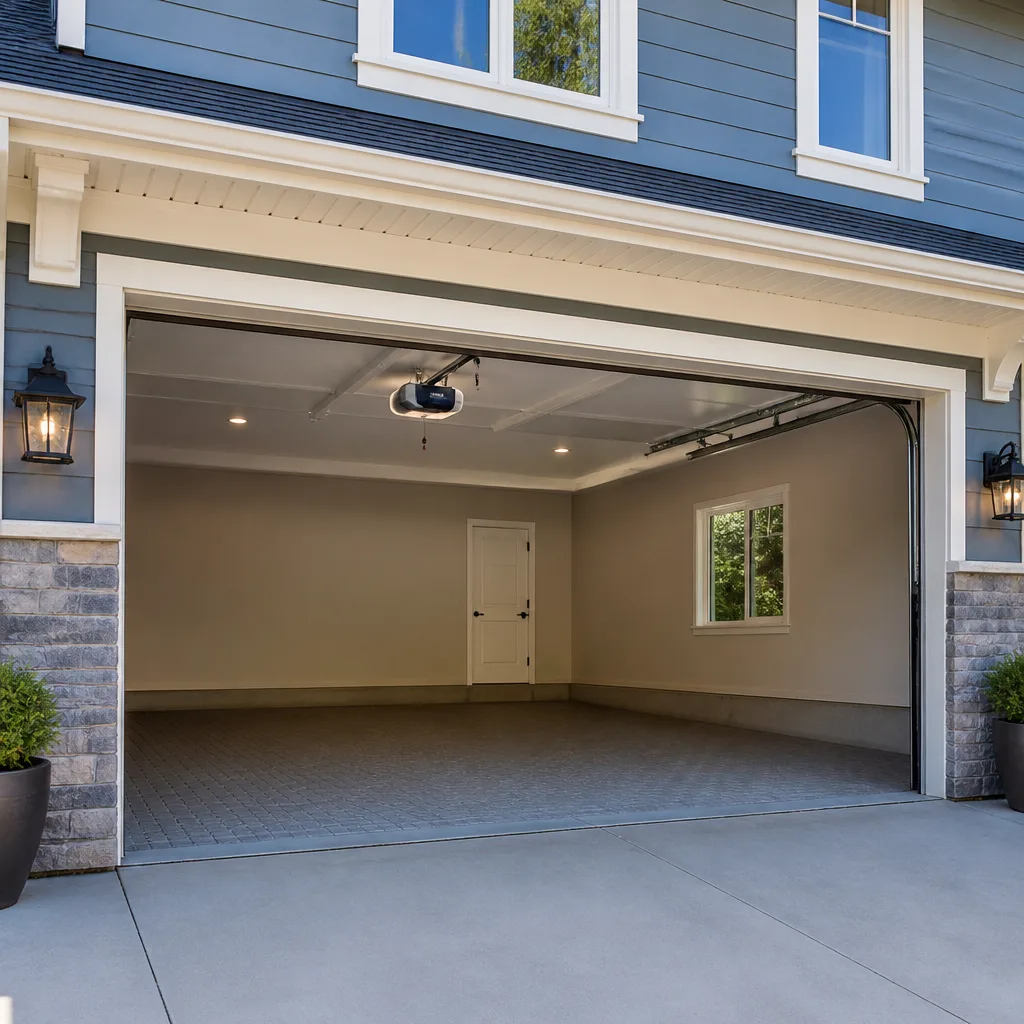 Chamberlain openers
Full 25-point door and opener safety check with every visit - springs, cables, rollers, tracks, and your LiftMaster or Chamberlain opener included
You get a price before we start. It does not change when the pro arrives.
Get your free estimateGarage Door Permits, Codes & Inspections in Fishtown, PA: What You Need to Know
A straight panel swap rarely needs a permit. But the moment you change door dimensions, add an opener to a previously manual door, or touch the structural header, you’ve crossed a threshold most contractors won’t flag for you. That distinction matters more in Fishtown than in most Philadelphia neighborhoods, because the housing stock here is old, the garages are often tight, and the city’s Department of Licenses and Inspections (L&I) treats structural work with real attention. This guide walks through what triggers a permit, how the L&I process actually runs, what fire-rated door rules apply to attached garages, and why an unpermitted garage job can surface at resale. We’ll keep it practical, because that’s what you need when a door is on order and a contractor is asking you to sign something.
Quick Answer
In Philadelphia, replacing a garage door in the same opening with the same dimensions generally does not require a building permit, but changing the size of the opening, altering or replacing the structural header, or converting a manual door to an operator-equipped door when electrical work is involved usually does. Fire-rated door requirements apply to garages attached to a dwelling under Pennsylvania’s residential code, and unpermitted structural work can create title problems when you sell. When in doubt, call the City of Philadelphia Department of Licenses and Inspections before work starts. The specific scope of your job determines the answer, and a written scope is the only way to know.
Styles & brands we work with
- Raised-panel steel
- Carriage house
- Modern flush
- Full-view glass
- LiftMaster openers
- Chamberlain openers
Table of Contents
- When Does Garage Door Work Need a Permit in Philadelphia?
- How the L&I Permit Process Works in Practice
- Fire-Rated Door Requirements for Attached Garages in PA
- What Happens at Resale If Structural Work Was Unpermitted
- How to Verify Your Contractor Is Pulling Permits
- Repair vs. Replacement: Which One Triggers Paperwork?
- Fishtown-Specific Considerations for Garage Door Work
- What an Inspection Actually Looks At
When Does Garage Door Work Need a Permit in Philadelphia?
The short answer is that a like-for-like replacement in the same opening typically doesn’t require a permit, but anything that changes the structure, the opening size, or adds electrical work usually does. Philadelphia’s building code follows the International Residential Code as amended by the city, and the amendments are what trip people up. L&I evaluates each permit application based on scope, so the classification depends on what you’re actually doing, not what the job is called on an invoice.
Here’s the practical breakdown we walk homeowners through when they’re deciding whether to pull paperwork:
- Same-size door replacement in the same opening: Generally no permit. The door goes back into the existing track and header without alteration.
- Changing the width or height of the opening: Permit required. You’re altering the structural header and the framing around the opening.
- Replacing or modifying the structural header: Permit required. The header carries load from the wall above, and L&I wants an approved plan before that changes.
- Adding a garage door opener to a previously manual door: Often requires an electrical permit for the new circuit and outlet, especially if the garage has no existing power at the ceiling.
- New garage construction or converting a carport to an enclosed garage: Full building permit required with plans.
- Cosmetic work (paint, hardware, weatherstripping, rollers): No permit.
The threshold to remember is this: if the work touches the structure or the electrical system, assume permit. If it’s a straight swap of a worn door for a new one in the same hole, you’re usually in the clear. If you’re not sure which side of the line your job falls on, call the city’s L&I before signing a contract. It’s a free call and it settles the question.
For work that stays inside the “no permit needed” bucket – a tired door swapped out in Fishtown, a noisy roller replacement, an opener that’s stopped responding – our Garage Door Repair Fishtown team handles it without paperwork headaches. When the job crosses into structural or electrical territory, we tell you up front so you can decide how to proceed.
How the L&I Permit Process Works in Practice
The Department of Licenses and Inspections is Philadelphia’s building department, and it runs the permit and inspection pipeline for garage door work. In practice, the process moves through a predictable set of steps, and knowing them prevents the kind of delays that leave a door sitting in a box in your driveway for weeks.
- Determine the scope and permit type. A same-size door swap typically needs nothing; a size change or header alteration needs a building permit; adding an opener with new wiring may need an electrical permit.
- Submit the application. L&I accepts permit applications online through its eCLIPSE system or in person at the Municipal Services Building. Your contractor typically files as the applicant, with you listed as the property owner.
- Provide plans and scope. For a simple door replacement, a scope description and product specifications usually suffice. For structural changes, you’ll need drawings showing the new header and framing.
- Pay the permit fee. Fees are set by L&I based on the valuation of the work and the permit type. The exact figure comes from the city, not from us, so confirm it with L&I at application.
- Schedule the inspection. After the work is done, L&I sends an inspector to verify the installation matches the approved scope. The inspector checks the header attachment, the track and spring anchoring, and that any electrical work is complete and safe.
- Receive the approval. Once the inspection passes, L&I issues the approval and the permit is closed. Keep the paperwork; you’ll want it at resale.
Timelines in Philadelphia vary based on L&I’s current backlog and whether your application needs plan review. Simple door permits with no structural work usually move faster than full construction permits. The one thing we tell every Fishtown homeowner: don’t order a custom-size door before you know whether the permit will be approved for that size. Reversing an order is expensive and slow.
Fire-Rated Door Requirements for Attached Garages in PA
If your garage is attached to your house – common on the blocks between Frankford Avenue and the river, where rowhouses and twins sit tight against their garages – Pennsylvania’s residential code requires the door between the garage and the living space to resist fire for a set period. This is one of the few places in residential code where the specific door matters, and it’s a rule many homeowners never hear about until an inspector flags it.
Here’s what it means in practical terms:
- The interior door matters, not the overhead door. The rule applies to the passage door that connects the garage to the house, not the big overhead door you drive through.
- Fire rating requirements come from the state code as adopted by Philadelphia. The exact rating depends on the code edition adopted and whether the door is part of a separation requirement. Confirm the current rating with L&I before you order a replacement.
- Self-closing hardware is part of the requirement. A fire-rated door with a plain knob and no closer is not a compliant door.
- The overhead door itself is not typically required to carry a fire rating when the separation wall and passage door meet code. But if the overhead door is the only separation between an attached garage and a living space in an unusual layout, the rules shift, and you need a code official’s read.
If you’re replacing an overhead door in an attached garage and the passage door is older than the code requirement, this is the moment to check both. A Fishtown garage door installation done right includes confirming the separation details, and we’ll flag it before we order anything. A garage door installation that ignores the passage door detail can leave you with an expensive fix later.
What Happens at Resale If Structural Work Was Unpermitted
This is the part most people don’t think about until it’s too late. Unpermitted structural work on a garage can surface during a buyer’s inspection, and when it does, the consequences range from a delayed closing to a renegotiated price to a buyer walking away. Philadelphia’s L&I keeps permit records, and a diligent buyer’s agent will pull them.
What typically happens when an inspector finds unpermitted work:
- The buyer’s inspector flags it. Missing permits for structural changes are visible in L&I’s records, and inspectors know to check, especially on older homes where garages have been modified over the decades.
- The buyer asks for documentation. You either have the permit and final inspection paperwork, or you don’t. If you don’t, the conversation gets harder.
- The lender may get involved. If the work affects the structural integrity of the home or the garage, some lenders want evidence the work was permitted and inspected before they’ll fund the loan.
- You face a retrofit or a price concession. The options are to pull a permit after the fact and get it inspected, or to negotiate a credit with the buyer. Both cost time and money.
- The title company notes it. Some title searches and municipal lien searches will surface open permits or permit discrepancies, and that becomes part of the closing conversation.
The fix is simpler than the problem: pull the permit when the work is done, keep the inspection paperwork with your home records, and hand it over at sale. For a garage door repair that stays within a like-for-like swap, there’s usually nothing to hand over. For anything structural, the paper is the point.
How to Verify Your Contractor Is Pulling Permits
Some contractors skip permits because the process is slow and the paperwork is a hassle. That’s a problem for you, not for them, because the liability lands on the property owner when an inspector or a buyer asks questions. Here’s how to protect yourself before you sign anything.
- Ask directly: “Are you pulling a permit for this job?” A straightforward contractor answers yes or no without hedging. If the answer is “you don’t need one,” ask them to explain why in writing.
- Ask for the permit number once the job is scheduled. L&I issues permit numbers when the application is approved. A contractor who can’t produce one either didn’t file or hasn’t been approved yet.
- Verify the permit in L&I’s records. Philadelphia’s eCLIPSE system lets you look up permits by address. You can confirm the permit exists, what it covers, and whether it’s been closed out with a final inspection.
- Check the contractor’s license. Philadelphia requires contractors doing regulated work to hold a city license, and the license number is verifiable through L&I. Ask for it and check it.
- Confirm insurance. A licensed contractor should carry liability insurance and workers’ compensation. Ask for a certificate of insurance and confirm the policy is current.
- Get the final inspection paperwork. A completed permit is only finished when the inspection passes. Ask for the approval document and keep it with your home records.
If a contractor tells you the permit “isn’t necessary” on a job that clearly alters the opening or the header, that’s your cue to get a second opinion. Ask the city directly. L&I will tell you what the code requires for your specific scope.
Repair vs. Replacement: Which One Triggers Paperwork?
Most garage door work in Fishtown is repair work, and most repair work needs no permit at all. The line between repair and replacement matters because it determines whether you’re dealing with L&I or just with a technician and a truck.
- Spring replacement (torsion or extension): No permit. This is maintenance on a safety-critical component, not a structural change.
- Cable, roller, and hinge replacement: No permit. Same reason.
- Opener repair or replacement on an existing circuit: Usually no permit, provided no new wiring is run.
- Opener installation where no circuit exists: Electrical permit typically required for the new circuit.
- Panel replacement in the existing opening: No permit if the dimensions don’t change.
- Full door replacement in the same opening: Usually no permit, but confirm with L&I if the track or header attachment changes.
- Size change, header change, or structural alteration: Permit required.
The safety-critical work – spring and cable replacement – is the category where a permit isn’t the point. The point is that these components are under extreme tension, and a mistake can injure someone badly. Springs are not a DIY repair. We handle torsion and extension spring work as a core service, and we’d rather you call us than try it yourself. For a garage door opener repair on a Chamberlain or Genie unit, the same logic applies: the opener is not as dangerous as the spring, but the diagnostic work still matters.
Fishtown-Specific Considerations for Garage Door Work
Fishtown’s housing stock shapes the permit conversation in ways that don’t apply in newer suburbs. Many of the homes here were built before mid-century and have garages that were added later, modified multiple times, or squeezed into lots that weren’t designed for them. That history matters when you’re deciding what to file with L&I.
What we see in Fishtown specifically:
- Narrow lots and tight garages. Many Fishtown garages are single-car and barely wider than the door, which means a “simple” replacement often requires careful measurement and, occasionally, a header adjustment. If the header needs work, permit.
- Older framing that has shifted. Pre-war rowhouse garages often have headers that have settled over the decades. A door replacement can expose that, and it changes the scope of the job.
- Additions and conversions from decades past. Some Fishtown garages were converted from carriage houses or storage spaces, and the permit history may be incomplete. If you’re selling, this matters.
- Attached garages on tight blocks. The fire separation rules between an attached garage and the living space are more likely to be relevant in Fishtown’s rowhouse and twin layouts than in detached-garage neighborhoods.
- Alley access and inspection logistics. An L&I inspector needs to access the garage. On narrow Fishtown alleys, that’s usually fine, but it’s worth confirming access before the inspection day.
The practical upshot: if your Fishtown garage has any history of modification, assume the paperwork question is more complicated than it looks. Call L&I with your address and ask what permits exist on record. It’s the fastest way to know what you’re dealing with.
What an Inspection Actually Looks At
An L&I inspection for garage door work isn’t a deep forensic review. The inspector is there to confirm the work matches the approved permit scope and that the safety-critical details are right. Knowing what they check helps you avoid a failed inspection and a second visit.
- Header attachment and framing. If the permit covered a header change, the inspector checks that the new header is the right size, is properly attached, and that the framing around the opening matches the approved plan.
- Track and spring anchoring. The inspector confirms the track and spring hardware are properly fastened to structure. Loose or improvised anchoring is a common fail point.
- Electrical work. If the permit included an opener circuit, the inspector checks the outlet, the wiring, and that the opener is grounded and functional.
- Fire separation details on attached garages. If the scope included the passage door, the inspector confirms the fire rating and the self-closing hardware.
- Consistency with the approved scope. The work has to match what was permitted. A permit for a same-size swap doesn’t cover a size change.
If the inspection fails, L&I issues a correction notice and you schedule a re-inspection after the fixes are made. That’s the part that adds weeks to a project when the scope wasn’t clear from the start. It’s why we confirm the scope before work begins.
Common Mistakes to Avoid
- Assuming “replacement” always means “no permit.” A same-size swap usually doesn’t need one. A size change or header alteration always does. The word “replacement” covers both, and the permit answer hinges on which one you’re doing.
- Ordering a custom-size door before the permit is approved. If the size change requires a permit and the permit goes sideways, you’re stuck with a door that doesn’t fit the approved scope. Confirm the permit first, then order.
- Skipping the fire-rated passage door on an attached garage. In Fishtown’s rowhouse layouts, this is the detail that gets flagged at inspection or resale. Check the passage door rating before the overhead door goes in.
- Trusting a contractor who says permits aren’t needed without an explanation. If the job touches the header or the electrical system, the answer should be specific, not a shrug.
- Not keeping the final inspection paperwork. The permit approval is what you hand over at resale. A permit that was never inspected and closed is not the same as a completed one.
- Assuming an unpermitted job won’t surface at sale. Philadelphia’s L&I records are searchable, and buyers’ inspectors check. The problem is easier to fix before a contract than after.
- Trying to handle spring or cable work to save the permit question entirely. Springs aren’t a permit issue, but they’re a safety issue. This is not a DIY repair under any circumstances.
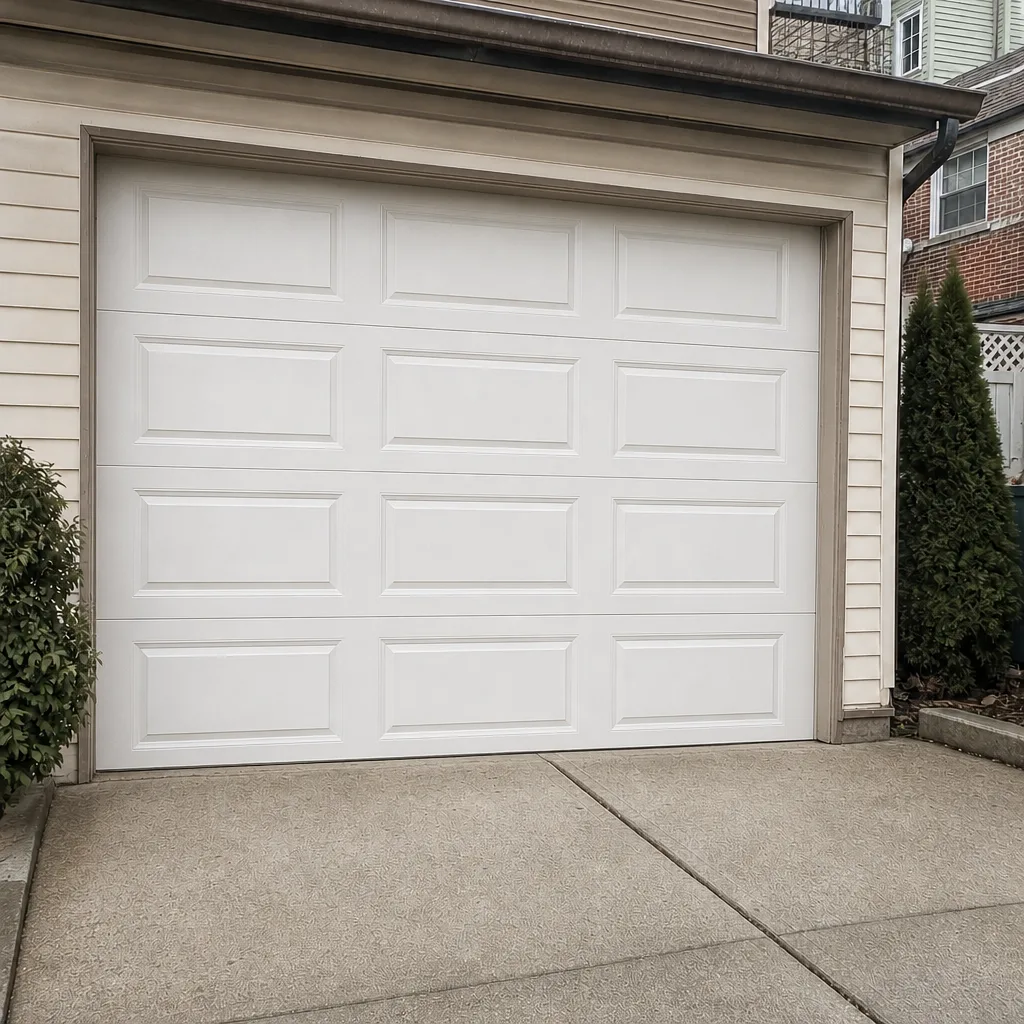
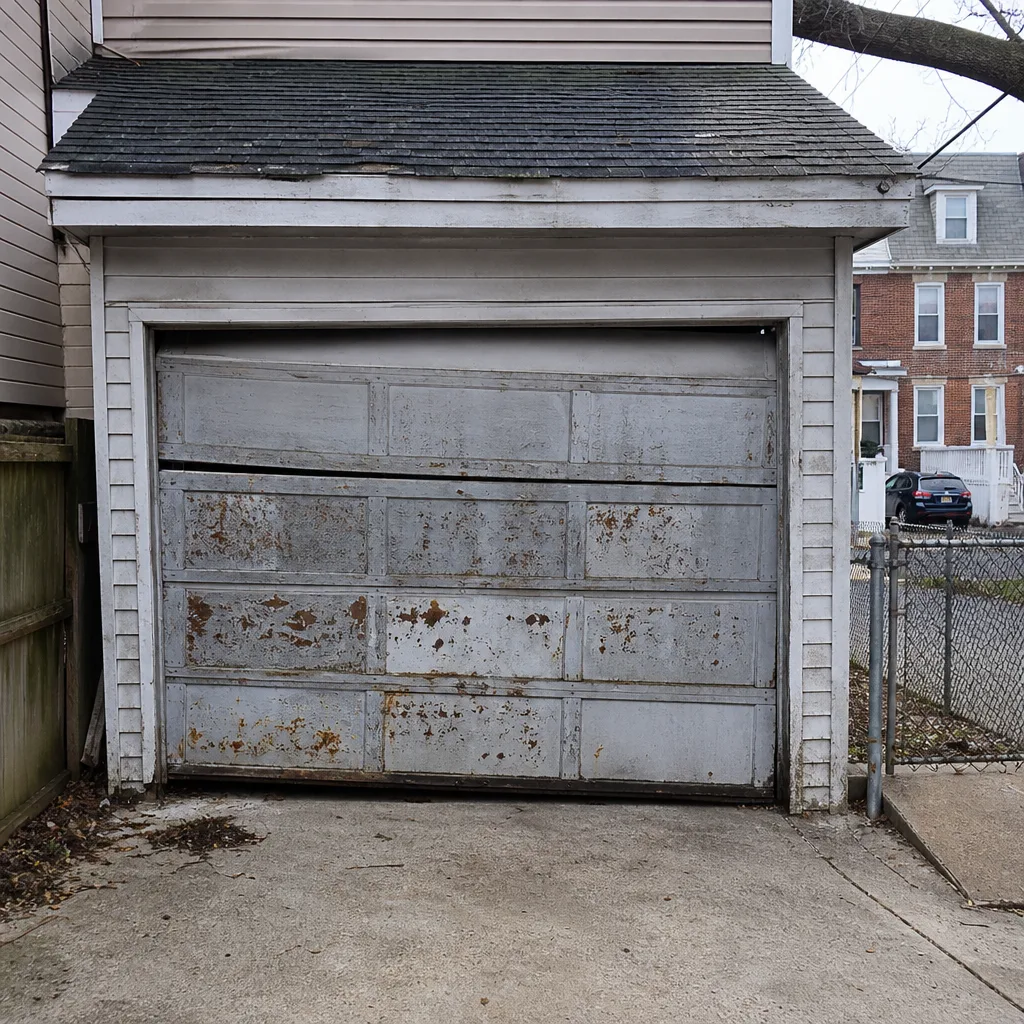
See the difference
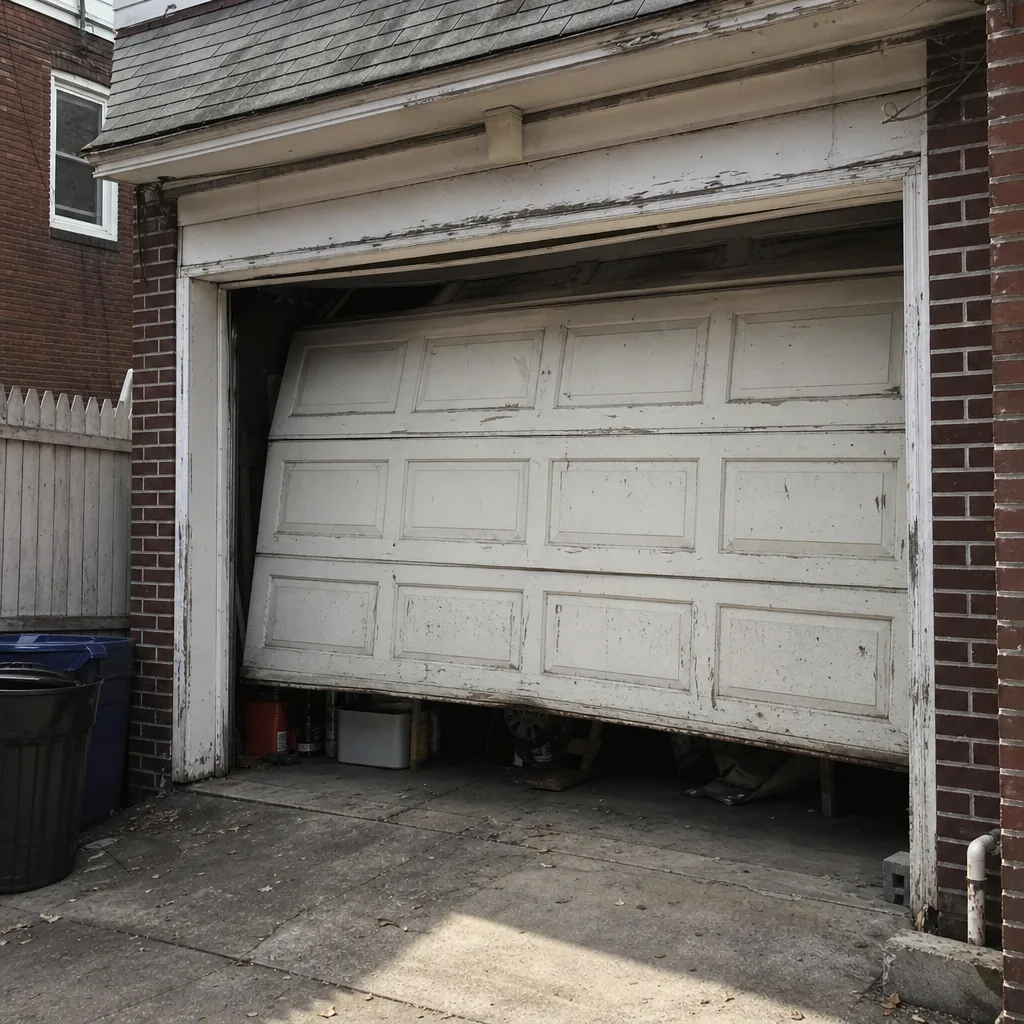 Before
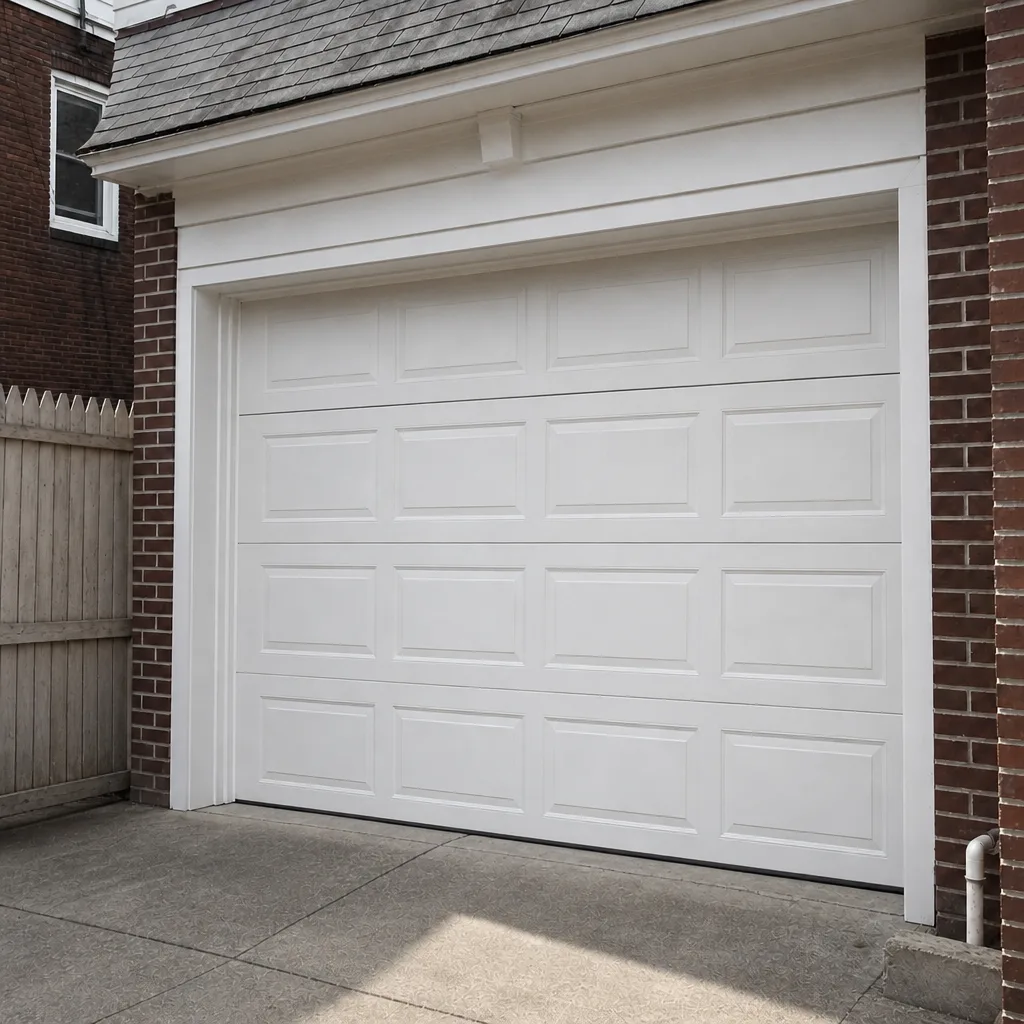 After
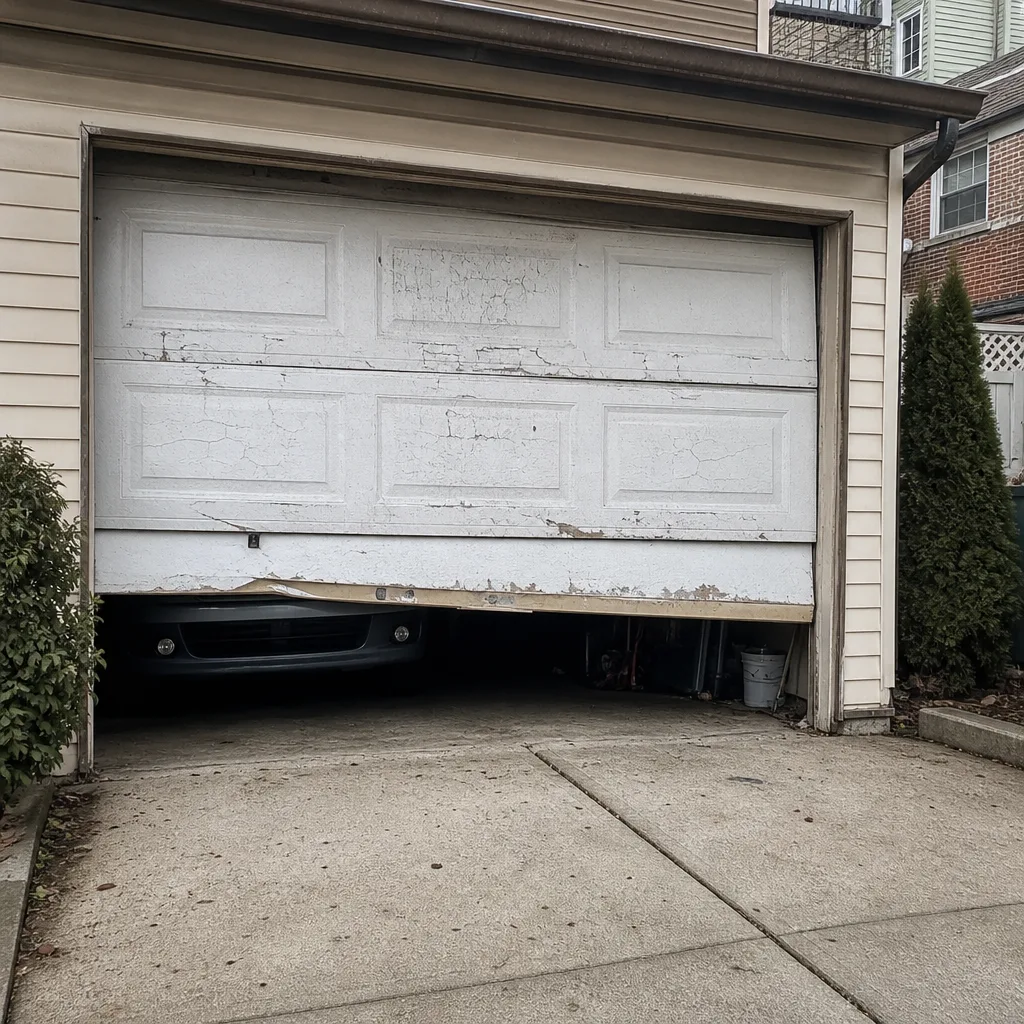 Before
 After
 Before
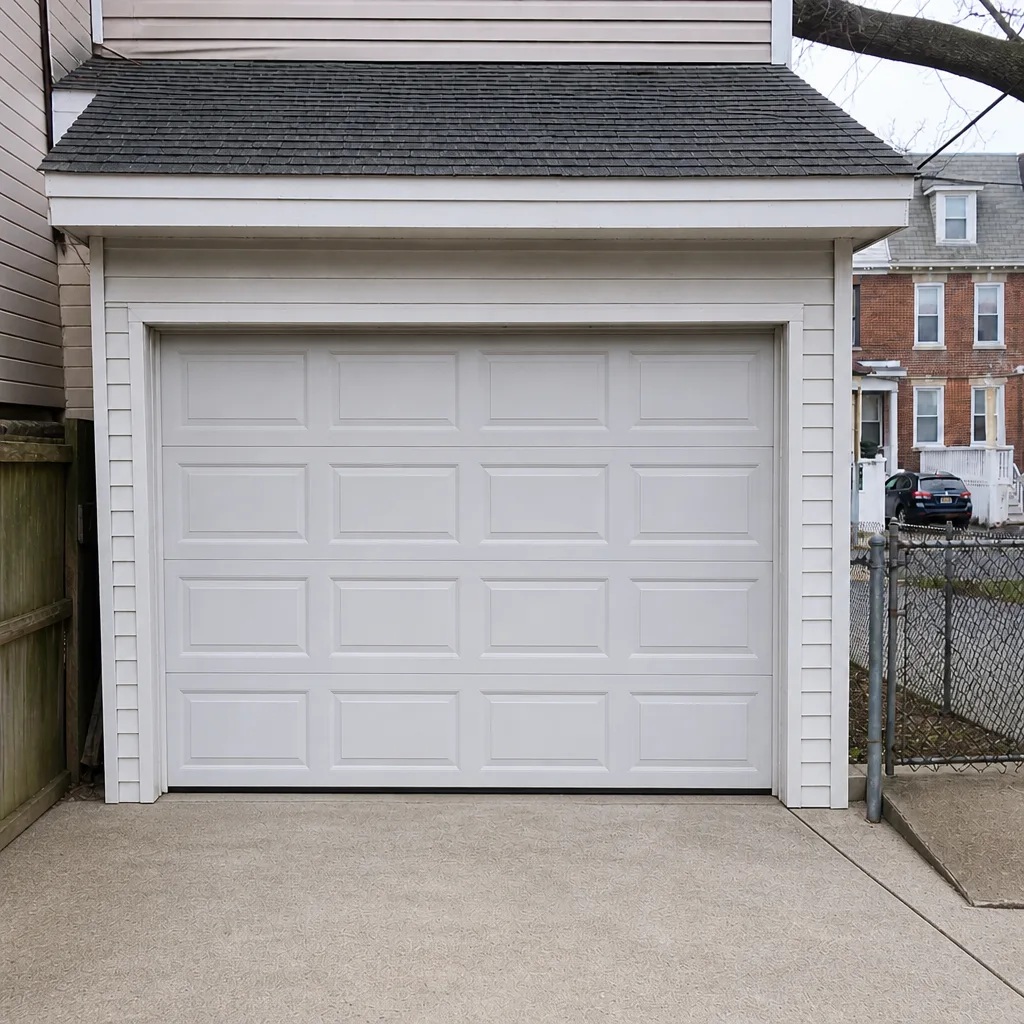 After
When to Call a Professional
Call a professional when the job involves springs, cables, or the structural header – those are the categories where a mistake causes real harm. Springs and cables are under extreme tension and can cause serious injury if handled by someone without training. Header work is load-bearing and can compromise the wall above the garage. Opener electrical work needs to be done to code, and a half-finished circuit is a hazard. If your door won’t move, the track is bent, or the opener has stopped responding, that’s the moment to call rather than troubleshoot. Garage Door Repair Fishtown offers free estimates in Fishtown; call (833) 468-3037. We answer 24/7, with fast dispatch from 7am to 7pm, Sunday through Friday. We work on the brand already in your garage – Chamberlain, Genie, Clopay, Amarr, LiftMaster, Wayne Dalton, Craftsman, and Raynor – so the diagnosis is right the first time.
Frequently Asked Questions
Not if it’s a same-size replacement in the existing opening with no structural changes. You do need a permit if you’re changing the opening dimensions, altering the header, or adding an opener that requires new electrical work. When in doubt, confirm with L&I before work starts. Call (833) 468-3037 for a free estimate on the door itself – we’ll tell you what we see in the opening before any work begins.
Fees are set by L&I based on the valuation of the work and the permit type, and the exact figure comes from the city when you apply. We don’t quote permit fees because they’re not ours to set. What we do quote is the door work itself, and the price is set per job by a written estimate before any work starts. Call (833) 468-3037 for a free estimate.
Unpermitted structural work can surface during the buyer’s inspection, in L&I’s permit records, or in a municipal search at closing. The buyer can ask for documentation you don’t have, the lender may balk, or the price can be renegotiated. The fix is to pull the permit and get it inspected, which is easier before a contract than during one. If you’re unsure what’s on record for your Fishtown address, check with L&I first.
Pennsylvania’s residential code requires a fire-rated passage door between an attached garage and the living space, and self-closing hardware is part of the requirement. The exact rating depends on the code edition Philadelphia has adopted, so confirm with L&I before ordering a replacement. The overhead door is a separate question from the passage door.
Often an electrical permit is required, because adding an opener means adding a circuit and an outlet at the ceiling. If your garage already has a receptacle in the right spot and the opener plugs in, the picture may be simpler, but confirm with L&I. If the opener is a Chamberlain or Genie unit and the electrical is already in place, we can handle the install and the opener setup.
Ask for the permit number, then verify it in Philadelphia’s eCLIPSE system by address. You can see what the permit covers and whether it’s been closed out with a final inspection. A contractor who can’t produce a permit number on a job that requires one either didn’t file or hasn’t been approved. A licensed contractor will also be able to show you their city license and a current certificate of insurance.
The Bottom Line
Most garage door work in Fishtown doesn’t need a permit. Same-size replacements, spring swaps, opener repairs, and cosmetic work typically move forward without paperwork. What triggers a permit is a change to the structure or the electrical system: a size change, a header alteration, or a new opener circuit. Fire-rated passage doors on attached garages are the detail most homeowners miss, and they matter at inspection and at resale. The safest approach is simple – confirm the scope with L&I if there’s any doubt, pull the permit when it’s required, and keep the final inspection paperwork with your home records. Our technicians have up to 11 years of experience and work across eight major brands, so the door work itself is straightforward when the paperwork is settled. Call (833) 468-3037 for a free estimate.
Written by the team at Garage Door Repair Fishtown.