
Last updated November 21, 2026
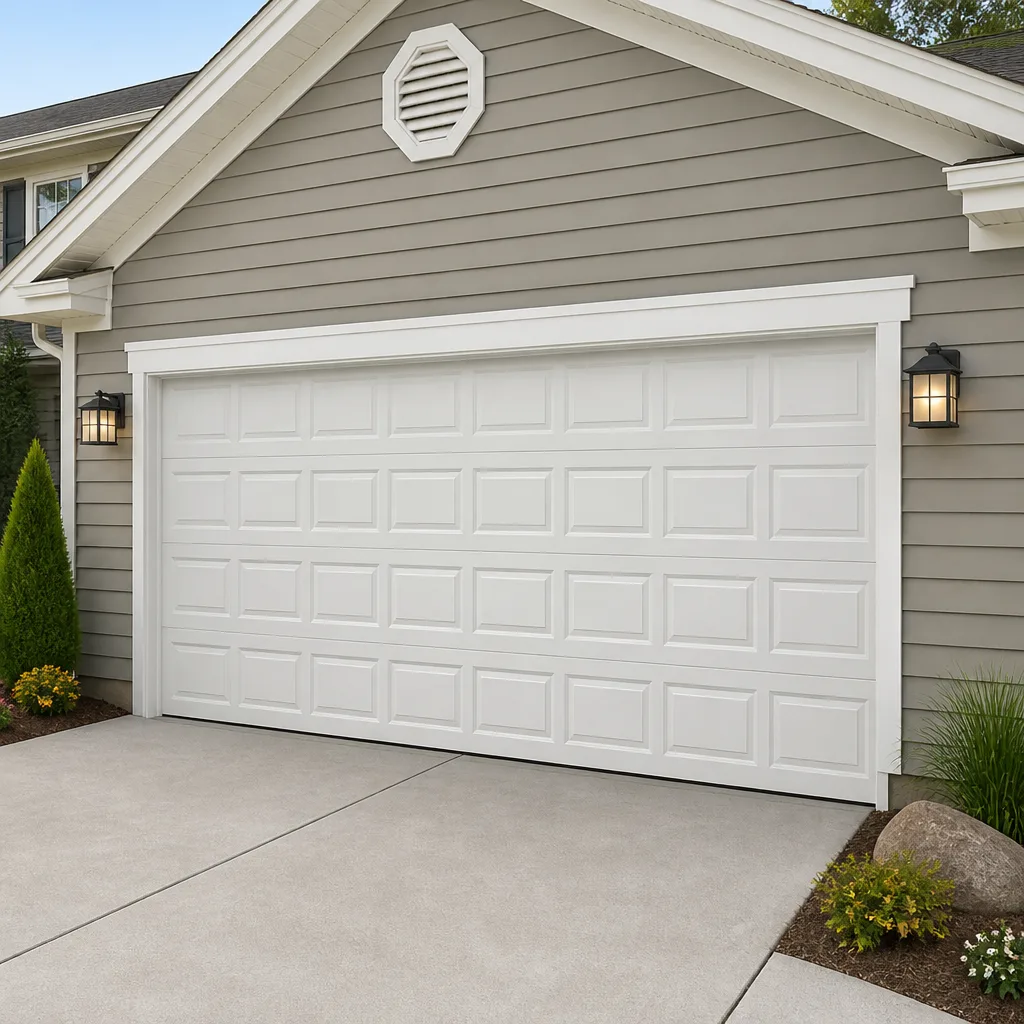 Raised-panel steel
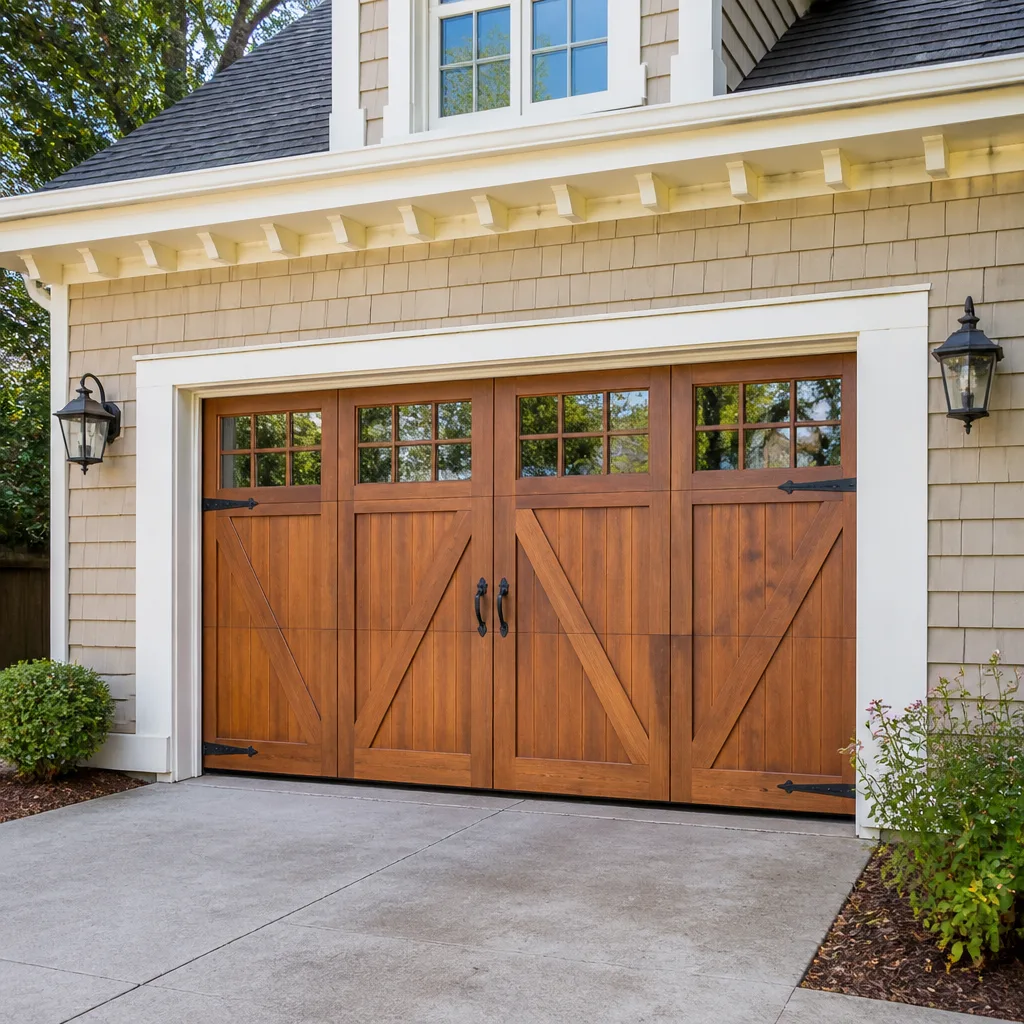 Carriage house
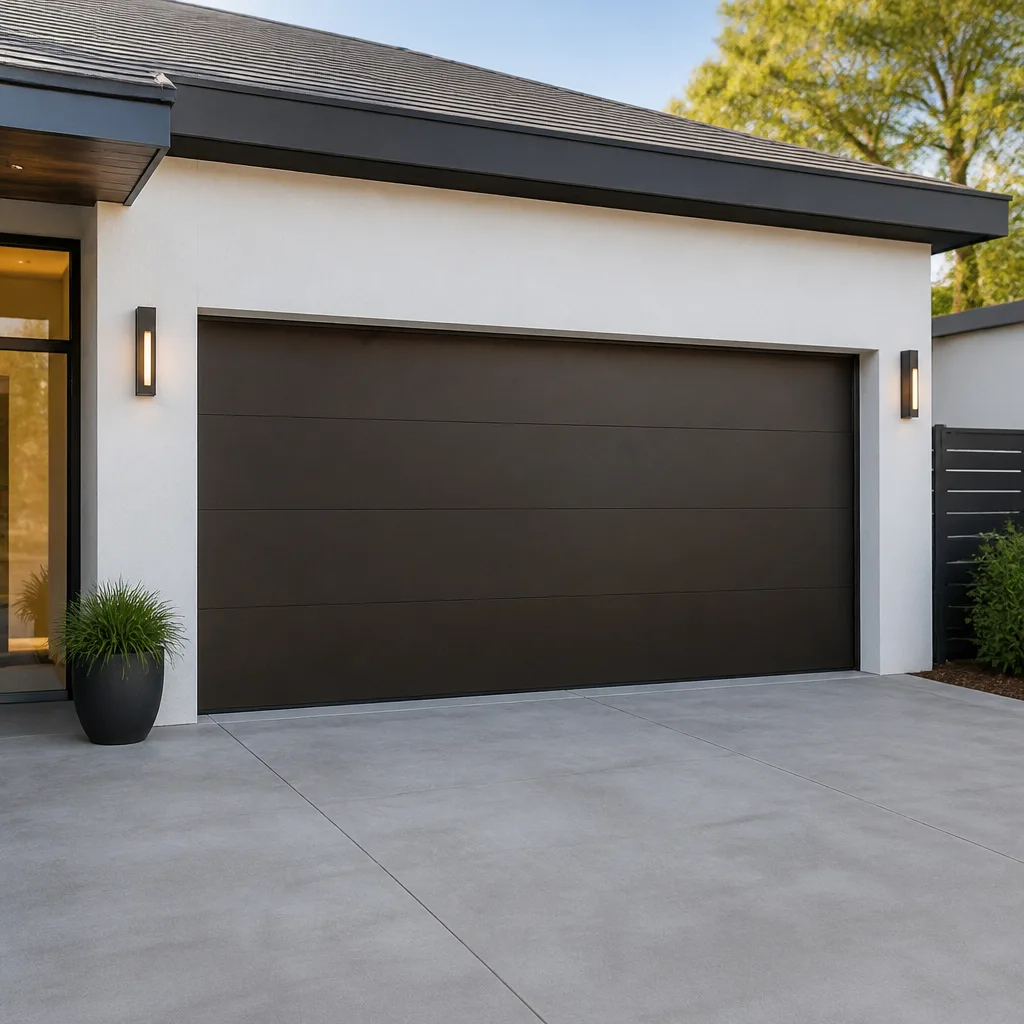 Modern flush
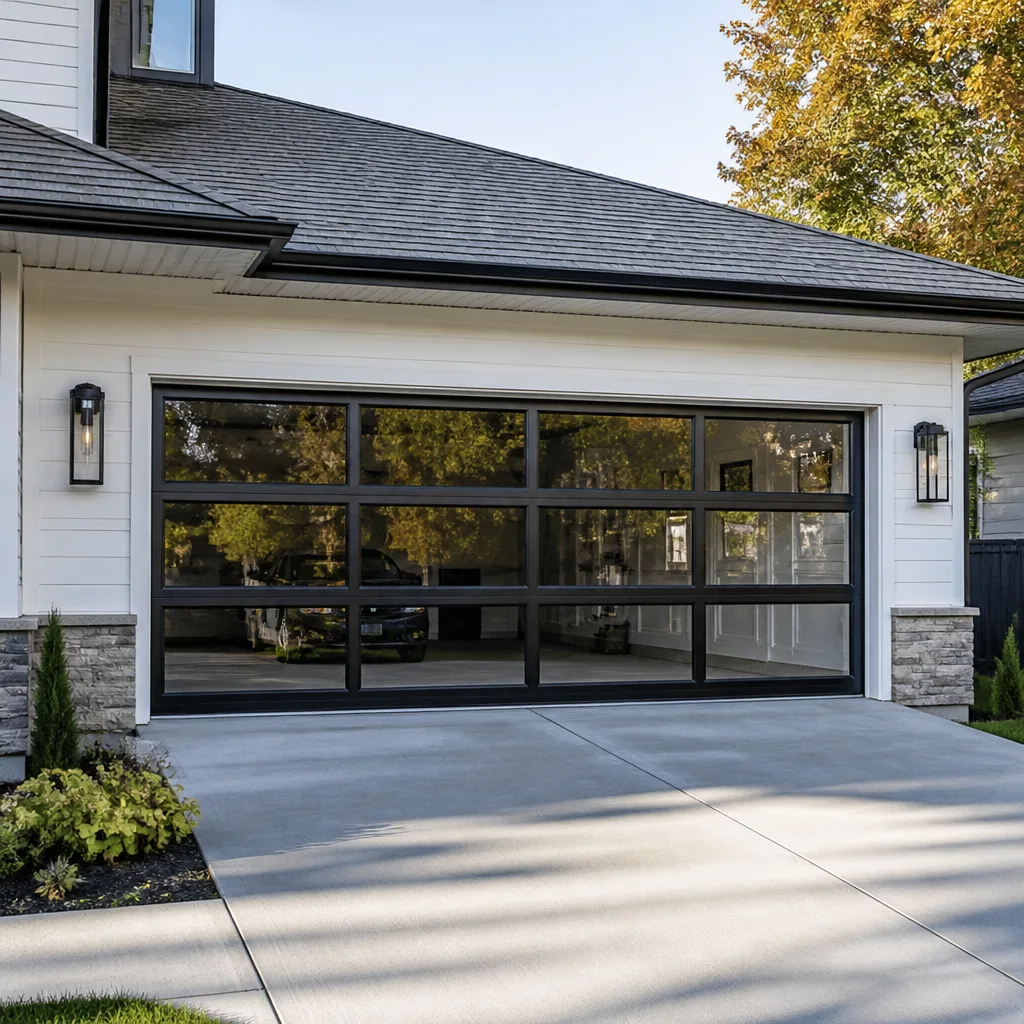 Full-view glass
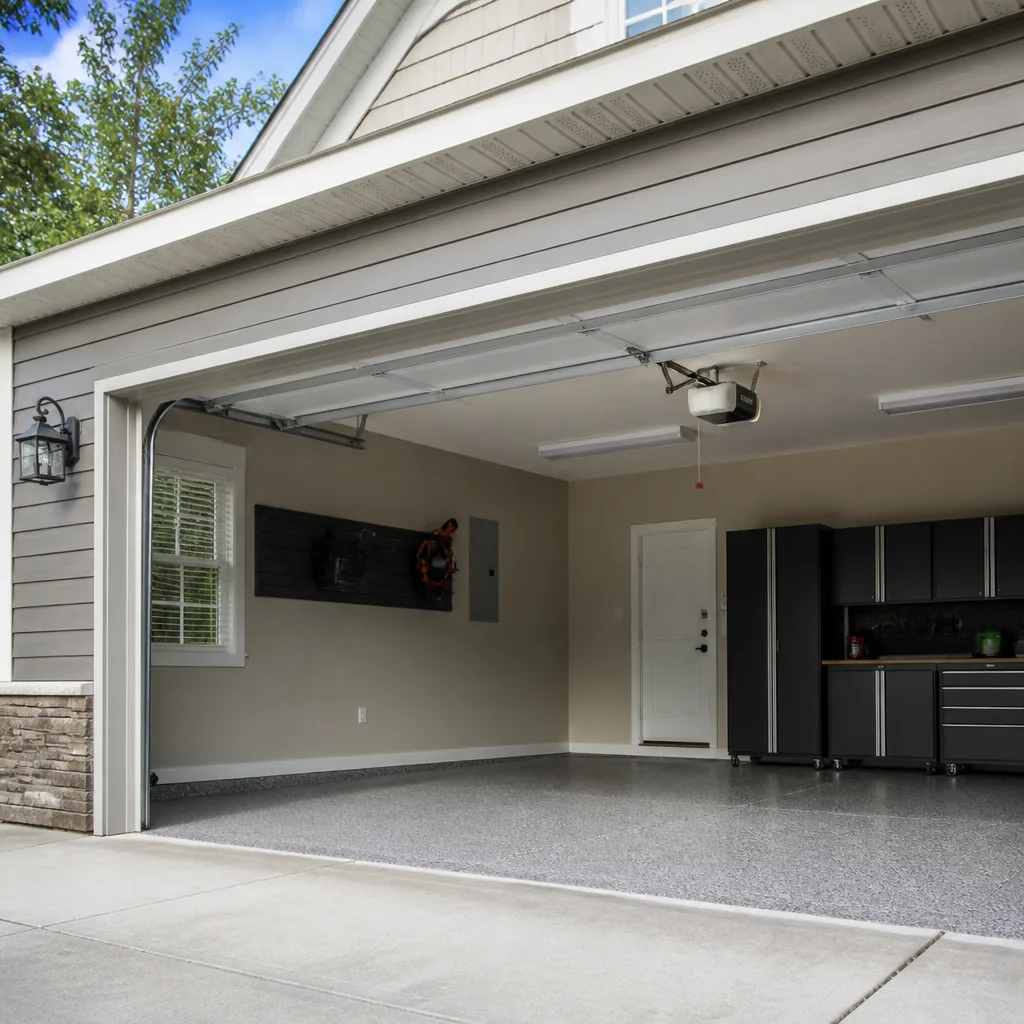 LiftMaster openers
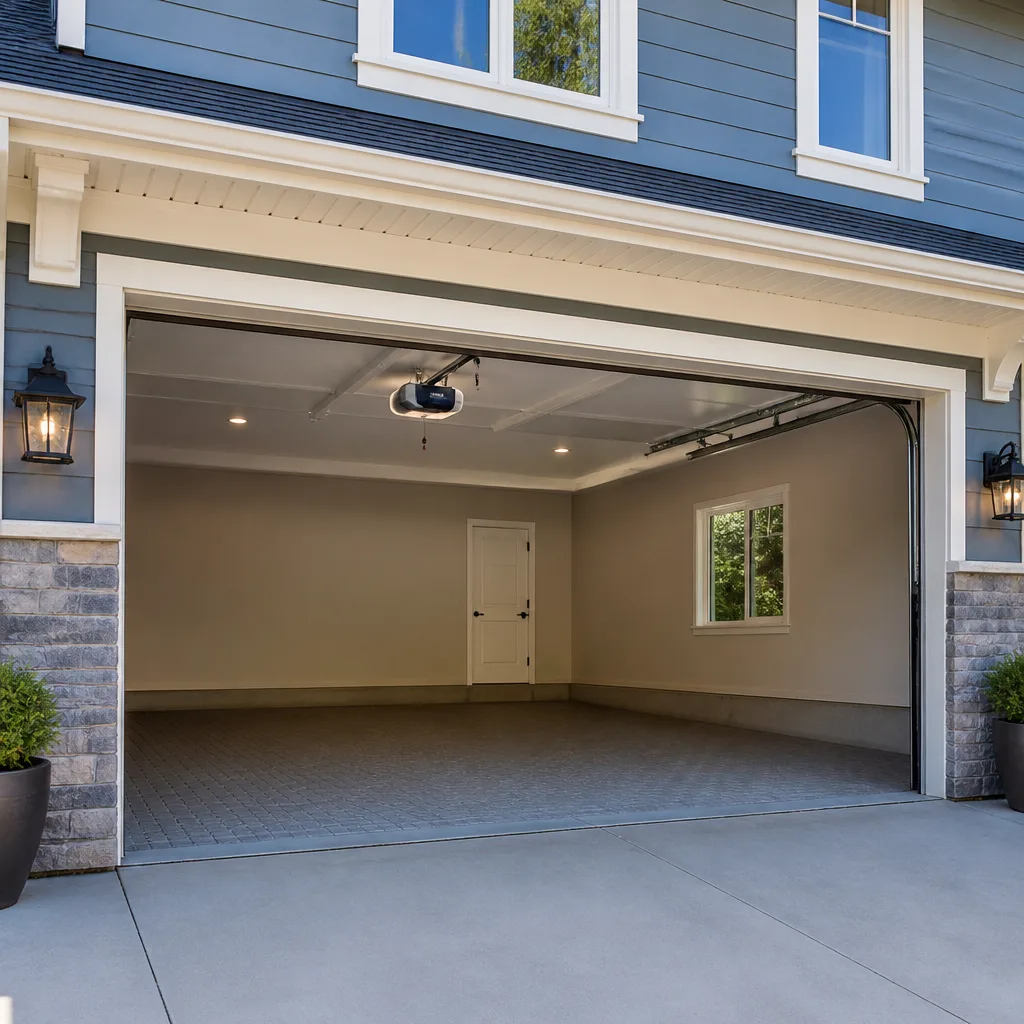 Chamberlain openers
Full 25-point door and opener safety check with every visit - springs, cables, rollers, tracks, and your LiftMaster or Chamberlain opener included
You get a price before we start. It does not change when the pro arrives.
Get your free estimateSeasonal Garage Door Care for Fishtown: Year-Round Homeowner’s Guide
Garage door cables usually snap in January, and it’s rarely one cold morning that does it. Metal contracts all winter long, and if nobody checked tension back in October, the cumulative stress lands on the weakest link in the coldest week of the year. The same pattern repeats with a dozen smaller parts: rollers stiffen, bottom seals harden and stop sealing, openers start straining against a door that no longer moves freely. None of it is random. Fishtown’s seasons arrive on schedule, and so do the mechanical problems they cause. This guide maps maintenance tasks to what’s actually happening inside the metal, so you can handle the small things in the mild months and keep the urgent calls for the ones that genuinely need a professional.
Styles & brands we work with
- Raised-panel steel
- Carriage house
- Modern flush
- Full-view glass
- LiftMaster openers
- Chamberlain openers
Quick Answer
Garage door care follows the seasons, not a calendar of equal quarterly checkups. Lubricate springs and hinges in late October before cold contraction sets in, adjust your bottom seal and check roller movement in winter, inspect tracks and hardware after the last freeze in spring, and check panel alignment and opener travel limits in summer. Most Fishtown homeowners who do the October work never see the January breakdown.
Table of Contents
- Why Seasonal Care Matters More in Fishtown Than You’d Think
- Fall: The October Window You Don’t Want to Miss
- Winter: Cold Contraction, Brittle Rollers, and Opener Torque
- Spring: The Post-Winter Inspection Sequence
- Summer: Heat Expansion and the Travel Limit Adjustment
- How Philadelphia Humidity Changes the Wood vs. Steel Calculation
- The Month-by-Month Maintenance Matrix
- Brand-Specific Notes for the Door You Actually Have
- Common Mistakes to Avoid
- When to Call a Professional
- Frequently Asked Questions
- The Bottom Line
Why Seasonal Care Matters More in Fishtown Than You’d Think
Fishtown sits in a part of Philadelphia where the temperature can swing forty degrees in a week, and the housing stock around it ranges from converted rowhouses with tight alley access to newer construction with wider bays. That mix matters because garage doors fail differently depending on what’s above them and how much clearance they have. A door tucked under a low rowhouse header has less room for a track to flex before it binds. A wider door on a newer build puts more load on the torsion bar when the metal contracts.
What most homeowners don’t account for is that a garage door is a tension system first and a moving object second. The springs hold the weight. The cables and rollers just guide it. When the temperature drops, every metal component shrinks slightly, including the springs themselves. If they were already at the outer edge of their adjustment in October, that shrinkage pushes them past it by mid-January. The door feels heavier, the opener strains, and one morning it just stops.
Fishtown’s climate profile makes this worse than in a milder region because the winter isn’t consistently cold. You get a hard freeze, then three days in the forties, then another freeze. Every thaw-and-refreeze cycle works the bottom seal and the weather stripping a little further. Over a full season that adds up to a door that seals poorly, runs rough, and needs attention you could have avoided.
The good news: almost all of this is predictable. If you know what to check and when, you can prevent the majority of emergency calls that would otherwise land on a cold morning when you need to leave for work. The rest of this guide walks through that schedule season by season, with the specific mechanical reasons behind each task.
Fall: The October Window You Don’t Want to Miss
Late October is the last practical window to lubricate and check your springs before cold-weather contraction makes all of it harder to work with. Here’s why timing matters more than the task itself. Lubricant spreads more evenly when metal is warm, penetrates better into hinge pivots and roller stems, and stays where you put it through the first temperature drop. Do the same job in January and the cold metal won’t accept it as well, and the door is already stiff.
Fall is also when the daily thermal range starts to widen. A Fishtown November can go from the low thirties at dawn to the high fifties by afternoon. Every one of those cycles moves hinge plates and track anchors by a fraction of a millimeter that adds back up over weeks. Loose bolts you can tighten in October are the ones that rattle themselves hand-loose by January.
Here’s the fall sequence we recommend:
- Lubricate springs, hinges, and roller stems with a garage-door-specific lubricant, not WD-40 or grease. The goal is a thin protective film, not a drip.
- Check every hinge bolt and track anchor with a socket wrench. You’re not looking for anything dramatic, just snug.
- Inspect the bottom seal for compression set. Any spot where the rubber has flattened and stays flattened needs replacing before the freeze.
- Test the door’s balance by disconnecting the opener (with the door fully closed) and lifting halfway. If it doesn’t hold and gently settle, the springs need adjustment by a professional.
- Check the safety reverse by placing a solid object in the door’s path and confirming it retreats on contact.
- Look at the cables where they wrap the drums. Any fraying or bird-caging means stop, don’t run the door, call a professional.
That last item is the one we can’t overstate. Cables carry the full tension load. A frayed cable is under hundreds of pounds of force and can let go without warning. If you see more than mild surface wear, don’t touch it. Our technicians have up to 11 years of experience and spring and cable work is a named specialty for us for exactly this reason.
Winter: Cold Contraction, Brittle Rollers, and Opener Torque
Winter changes three things about your door at once: the bottom seal hardens and loses its ability to compress, the rollers get brittle and roll less freely, and the opener has to work harder because the door has effectively gotten heavier. Each one has a specific fix, and none of them involve replacing the whole door.
Bottom seal compression
The bottom seal is a rubber or vinyl tube that flattens against the floor. In cold weather it gets hard, so it stops conforming to the concrete. You’ll notice a draft, maybe some snow or water tracking in under the door, and sometimes a whistling sound in the wind. Check it by closing the door fully and looking along the floor for any place daylight or a shadow shows through. A soft seal will flatten; a hardened one will lift. If it’s hardened, replacing it is a small job that pays for itself in heat retention alone.
Roller brittleness
Nylon and steel rollers both lose flexibility in the cold. Nylon can crack at the bearing edge, and you’ll hear a distinctive clicking or grinding as the door moves. Open and close the door slowly and listen. Any roller making noise or showing visible wear should be replaced. On a Fishtown door that runs close to a tight alley wall, you’ll hear it more because the sound bounces off the brick.
Opener torque
The opener senses resistance and adjusts. When the door is stiff from cold contraction, the opener’s built-in safety logic reads that stiffness as an obstruction and either reverses the door or trips the limit. You’ll see the door stop halfway up, or reverse before it closes. The fix isn’t to increase the opener’s force setting (that’s a common but wrong move), it’s to free up the door’s mechanical movement. If the door runs smoothly by hand and the opener still struggles, the opener needs diagnosis. We repair LiftMaster and Chamberlain openers frequently for exactly this symptom.
If your door won’t move at all, that’s a different situation. When your door won’t move, we move fast. Call (833) 468-3037. We answer 24/7. Fast dispatch from 7am to 7pm, Sunday through Friday, and a call outside dispatch hours gets booked into the next opening.
Spring: The Post-Winter Inspection Sequence
Spring is when you find out what the winter actually did. Freeze-thaw cycles flex the tracks, and the repeated cold-then-warm movement you’ll have seen from December through March loosens hardware across the whole assembly. This inspection sequence focuses on what winter stress affects most.
Work through it in this order:
- Look at the track alignment first. Stand back and sight down each vertical track. It should be straight. A track that’s bowed in or out means the door will bind and the rollers will wear on one edge. Small adjustments are a pro job because the track holds the door’s travel line.
- Check every anchor bolt and bracket. Freeze-thaw loosens wall plates, track anchors, and spring brackets. Snug is right; overtightening cracks concrete.
- Inspect the spring coils for gaps or binding. Look for daylight between coils, or coils that are compressed unevenly. Either symptom means the spring has lost its even tension and needs professional evaluation.
- Test the door’s balance again the same way you did in fall. If it’s now failing where it passed six months ago, the spring tension has changed and only a trained technician should adjust it.
- Check the panel alignment. Winter wind on a door that’s not fully closed can torque panels. Sight along the top edge of each panel to spot any that’s out of alignment.
- Run the door three or four full cycles and listen. Any new sounds compared to fall are worth noting.
A note on safety: garage door springs are under extreme tension. This is not a DIY repair. A torsion spring at rest still carries enough force to break a wrist or worse if it releases unexpectedly, and extension springs can travel with enough force to do serious damage. Nothing in this guide asks you to touch a spring. If a spring looks wrong, stop and call. For garage door repair in Fishtown, our technicians handle spring replacement as a core service precisely because so many homeowners are right to avoid it.
Summer: Heat Expansion and the Travel Limit Adjustment
Summer flip-flops the problem. Heat expands the metal, which changes the door’s effective height and can throw the opener’s travel limits out of alignment. If your door closes and stops an inch short of the floor, or opens a couple inches too far and the opensees it as a fault, heat expansion is usually the cause.
What heat expansion does to a wood door
A wood garage door will swell in humid summer weather, especially on a Fishtown block where the door faces afternoon sun. Panels can bow slightly, and the door’s overall dimensions can change enough to throw the opener off its calibrated endpoints. On painted steel doors, expansion is smaller but the paint surface itself becomes softer, which means a door that gets scraped against a bike or a lawnmower leaves a mark more easily in July than in November.
When to adjust the travel limit
You can check the travel limit yourself, and on a Chamberlain or LiftMaster opener it’s a straightforward adjustment in most models. Here’s the general test: with the door fully closed, does the bottom seal touch the floor evenly? If it’s touching on one end and floating on the other, look at the panel alignment first before you touch the opener. If it’s uniformly floating or uniformly stopping short, the limit is likely off. Any opener that has a screw-drive limit adjustment has a manufacturer procedure in its manual; follow that exactly. Adjusting the limit wrong can make the door not close fully or reverse too high.
Summer is also the right season for a whole-door inspection if you’re thinking about replacement. Metal fatigue shows up worse in heat, and if you’ve been living with a door that’s struggled through several winters, the summer panel-alignment check tells you whether repair or garage door installation makes more sense. That’s a measurement-and-order decision, so it’s worth getting a free written estimate early rather than waiting for the door to fail in November.
How Philadelphia Humidity Changes the Wood vs. Steel Calculation
Philadelphia’s humidity is high in summer and dry in winter, and that swings wood and steel doors in opposite directions. This is the single most overlooked reason why owners of wood doors put up with more seasonal trouble than steel-door owners on the same block.
Wood absorbs moisture in the summer and swells. It releases moisture in the winter and shrinks. A wood panel door goes through the full cycle every year, and each cycle puts stress on the frame joints, the panel edges, and the finish. On older doors in Fishtown’s converted rowhouses, that cycle is what causes the hairline cracks in the paint along the panel seams and the slight sag in the top section. The wood itself is fine; the finish is what fails first. If you see white areas at panel joints in July, that’s not a paint defect, it’s trapped moisture showing under the surface.
Steel doors behave differently. The metal doesn’t absorb water, so the seasonal change is pure thermal expansion. The painted steel panels move a fraction of an inch between a January morning and a July afternoon, and the effect is mostly on the opener’s travel calibration and the seal. A steel door in Fishtown is generally easier to keep in year-round alignment. The trade-off is that a steel door will show dents and paint chips more readily because the surface is thinner.
What this means practically:
- Wood doors: check the finish every summer. Touch up chips before water gets in. Consider a fresh coat every few years rather than every decade.
- Steel doors: watch the travel limit through the warm months. Wipe off grit from the bottom seal track regularly so the seal isn’t forced against rough concrete.
- Both: check the bottom seal every fall and every spring regardless of what the door is made of.
An accompanying note on Philadelphia’s freeze-thaw pattern: the humidity swing isn’t just about the door surface. It also affects the concrete floor the door seals against. Concrete that’s been through wet-dry cycles gets small cracks and surface pitting, which is exactly what a hardened bottom seal is worst at conforming to. If your floor has visible cracks and your seal is old, replace both at the same time.
The Month-by-Month Maintenance Matrix
The single most useful thing to keep from a guide like this is a schedule. Here’s the one we’d recommend for a Fishtown garage door, based on the mechanical pattern of the region’s seasons. You don’t need to hit every month, but the ones marked “essential” are the ones that prevent bigger problems.
Fall
- Late October (essential): lubricate springs, hinges, and roller stems; check every bolt; test the balance; inspect cables.
- November: replace the bottom seal if it’s hardened; test the safety reverse.
Winter
- December: listen to the door on each cycle for new sounds; look for any opener struggles.
- January (essential): if the door strains on any cycle, don’t increase the opener force; call a professional for a diagnosis.
- February: check the seal draft at the floor; a soft-seal failure shows up as a cold spot in the room above.
Spring
- March (essential): the full post-winter inspection sequence (sight down the tracks, check anchors, inspect springs, test the balance, run several cycles).
- April: address any panel alignment issues; touch up paint on steel doors where the winter has worn it.
Summer
- June: check the travel limit as the heat arrives; confirm the door closes fully every week.
- July (wood doors, essential): inspect panel joints and finish; touch up chips before the moisture gets deeper.
- August: if the door has struggled through several winters, get a written estimate on replacement options before the fall rush.
All year
- Keep the photo-eye sensors clean and aligned. Rain, leaves, and trash from the alley will set them off.
- Clear the door track of grit once a month. A blocked track causes more false triggers than a worn opener.
If you’re managing a residential property in Fishtown and this schedule feels like a lot to keep up with, we can help set up the annual checkpoints. Our technicians have up to 11 years of experience with the seasonal pattern here, and they know where the failure points show up first.
Brand-Specific Notes for the Door You Actually Have
The brand of your door and opener doesn’t change the seasonal pattern, but it can change what a specific symptom means. We work on the brand already in your garage and know the differences. A few of the ones that come up most often:
- LiftMaster and Chamberlain openers share a lot of internal logic, which is why their force-sensor and travel-limit behavior tracks closely. A winter door that reverses unexpectedly on a LiftMaster or Chamberlain is usually a stiff-door problem, not an opener problem. Diagnose the door first.
- Craftsman openers run on older belts or chains in many Fishtown homes, and their safety-reverse sensitivity sometimes needs a seasonal check. The bottom-bracket contact test tells you whether it needs adjustment.
- Raynor doors often show up on the newer construction at the eastern edge of Fishtown. Their panel systems are heavier than they look, which means a seasonal balance check matters more, not less.
- Clopay and Amarr wood-composite and steel doors hold their alignment well but their seal hardware varies by model, so replacing the bottom seal without matching the right extrusion is a common mistake.
If your door is one of these brands and you’re not sure what the seasonal symptom means, a quick call for garage door opener repair helps. We diagnose based on what’s installed rather than guessing across a generic part list.
Common Mistakes to Avoid
- Increasing the opener force to get through the winter. This is the single most common mistake we see on a stiff cold door. The force setting is a safety limit, not a power boost. Turn it up and the opener keeps working past the point where a person or a bike under the door would be protected.
- Lubricating springs with the wrong product. WD-40 is a solvent, not a lubricant, and grease attracts grit that turns into grinding paste on the spring coils. Use a garage-door-specific spray lubricant and apply a thin film.
- Ignoring the bottom seal until it’s visible from outside. By the time a Fishtown homeowner sees daylight under the door from the alley, the seal has been failing for a season. Check by looking inside the garage with the door closed and the room lights on.
- Adjusting travel limits without reading the manual. Every opener brand sets limits differently. A wrong adjustment can make the door fail to close fully or reverse too late to be useful as a safety feature.
- Skipping the October tension check because the door “feels fine”. A door can feel normal in warm October and still be at the outer edge of tension. The only way to know is to disconnect the opener and test the balance.
- Treating a wood door like a steel door in summer. Wood needs the finish checked and touched up through humid months; steel doesn’t. A wood door that gets no attention in July shows the damage in December.
- Calling the problem “the opener” when it’s the door. Most winter failures that look like opener failures are the door moving more stiffly than it did in the fall. Diagnose the door’s movement before the electronics.
When to Call a Professional
Some seasonal jobs are yours to do: lubricating, tightening, wiping down the sensors, checking the seal. Others genuinely need professional hands on them. Anything involving a spring, a cable, or the torsion system is in the second category, and the reason is straightforward: those parts carry the full weight of the door, and a mistake can mean serious injury. If you see a broken spring, a frayed or bird-caged cable, a door that’s dropped on one side, or a track that’s visibly bent, stop running the door and call. The same applies if the door reverses unexpectedly on every cycle or the opener trips its limit even after you’ve freed up the door’s movement. If the door won’t open at all, that’s an urgent situation because it’s also a security situation; when the door won’t move, we move fast. Garage Door Repair Fishtown offers free estimates in Fishtown and a written price agreed before any work starts. Call (833) 468-3037. We answer 24/7. Fast dispatch from 7am to 7pm, Sunday through Friday.
Frequently Asked Questions
Twice a year is right for most doors here: once in late October before cold contraction, and once in spring after the last hard freeze. The spring is the highest-tension component on the whole door, so a thin film of lubricant matters more than a heavy coat. Use a garage-door-specific spray, not WD-40 or grease, and apply it to the coils, the hinge pivots, and the roller stems in one pass. If you’re not sure how to reach the torsion bar safely, call (833) 468-3037 and we’ll do it as part of a check.
Cold metal contracts, the springs lose a bit of effective tension, the rollers stiffen, and the bottom seal presses harder on the floor. The door hasn’t broken; it’s just fighting more resistance in the cold. The right fix is to free up the door’s mechanical movement, not to raise the opener’s force setting. If the door runs smoothly by hand but the opener still strains, call for a diagnosis because the opener may need service. Our technicians have up to 11 years of experience with this specific winter pattern in Fishtown.
The track alignment. Sight down each vertical track from the ground up; it should be perfectly straight. Freeze-thaw cycles flex the tracks, and any visible bow means the rollers will bind and wear unevenly. After that, check every anchor bolt and bracket for snugness, then the spring coils for gaps or binding. Any spring issue is a professional job. Springs are under extreme tension and this is not a DIY repair.
No. Torsion and extension springs carry hundreds of pounds of force and are under tension even when the door is fully closed. A mistake can cause serious injury. Our spring work is a named specialty for exactly this reason, and it’s the one component of seasonal maintenance we’d always advise leaving to a trained professional. If you see a broken spring or a frayed cable, stop running the door. Call (833) 468-3037 and we’ll get a technician out.
Yes. Wood absorbs moisture in summer and shrinks in winter, so a wood door in Fishtown goes through a full expansion and contraction cycle every year. That strains panel joints and the finish more than a steel door goes through. Steel only changes with temperature, not humidity, so it’s easier to keep in year-round alignment. The trade-off is that steel dents and chips more easily. Both need the fall and spring seal checks regardless of material.
Pricing is set per job by a free written estimate, so the number depends on what your door actually needs after inspection. There’s no service-call fee for the estimate, and the written quote is the price, agreed before any work starts. If you’re calling about a winter breakdown, call (833) 468-3037 for an exact quote. Estimates are free, we answer 24/7, and dispatch runs 7am to 7pm, Sunday through Friday.
The Bottom Line
Fishtown’s garage doors don’t fail on a random schedule. They fail on the schedule the seasons put them on, and the highest-value work happens in the mild months. The late-October lubrication and tension check prevents most of the January emergencies. The March post-winter inspection catches the track and hardware problems freeze-thaw leaves behind. The summer panel and travel-limit check keeps a wood and steel door in alignment through the hot months. None of it is complicated, and none of it replaces a real spring or cable repair when those are actually needed. What it does is keep the small jobs small. If the door you have is struggling through a Fishtown winter, call Garage Door Repair Fishtown at (833) 468-3037 for a free estimate. We answer 24/7. Fast dispatch from 7am to 7pm, Sunday through Friday, and a call outside dispatch hours is booked into the next opening.
Written by the team at Garage Door Repair Fishtown.
See the difference
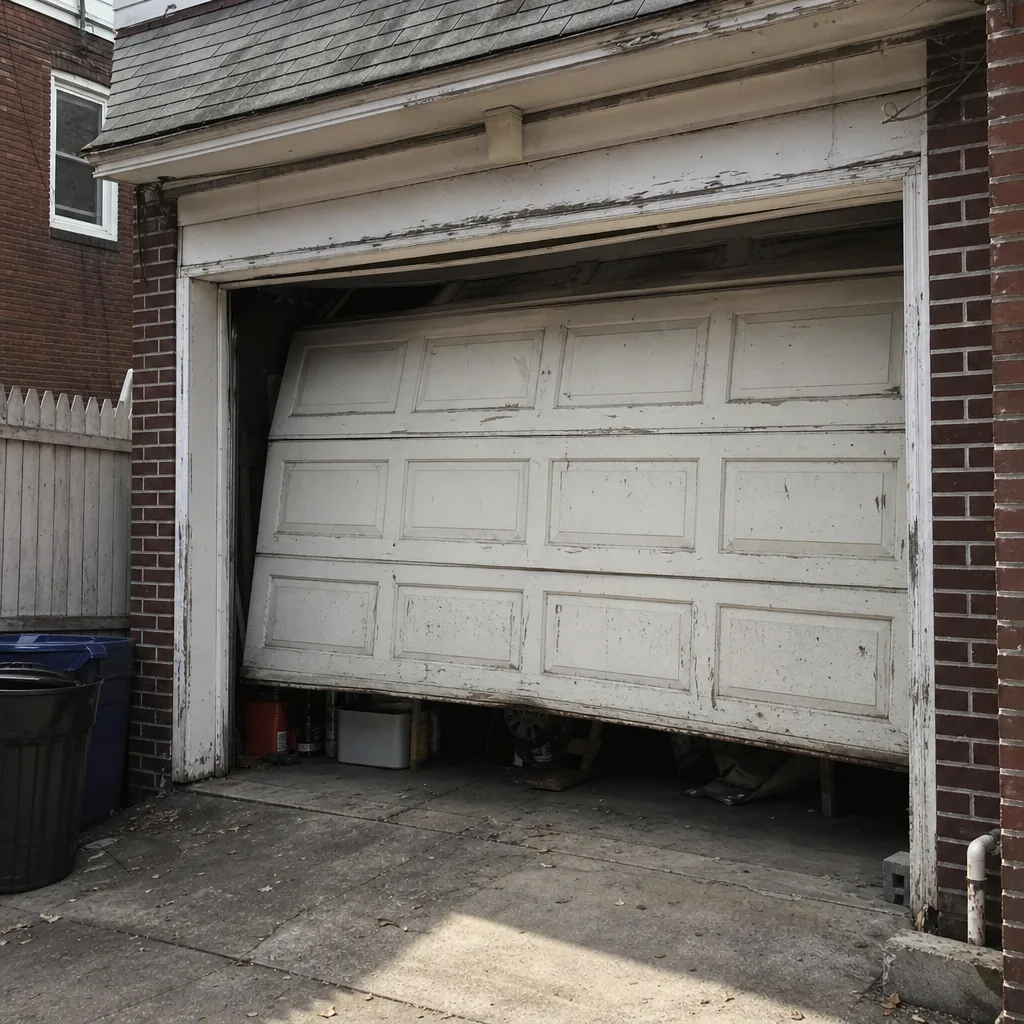 Before
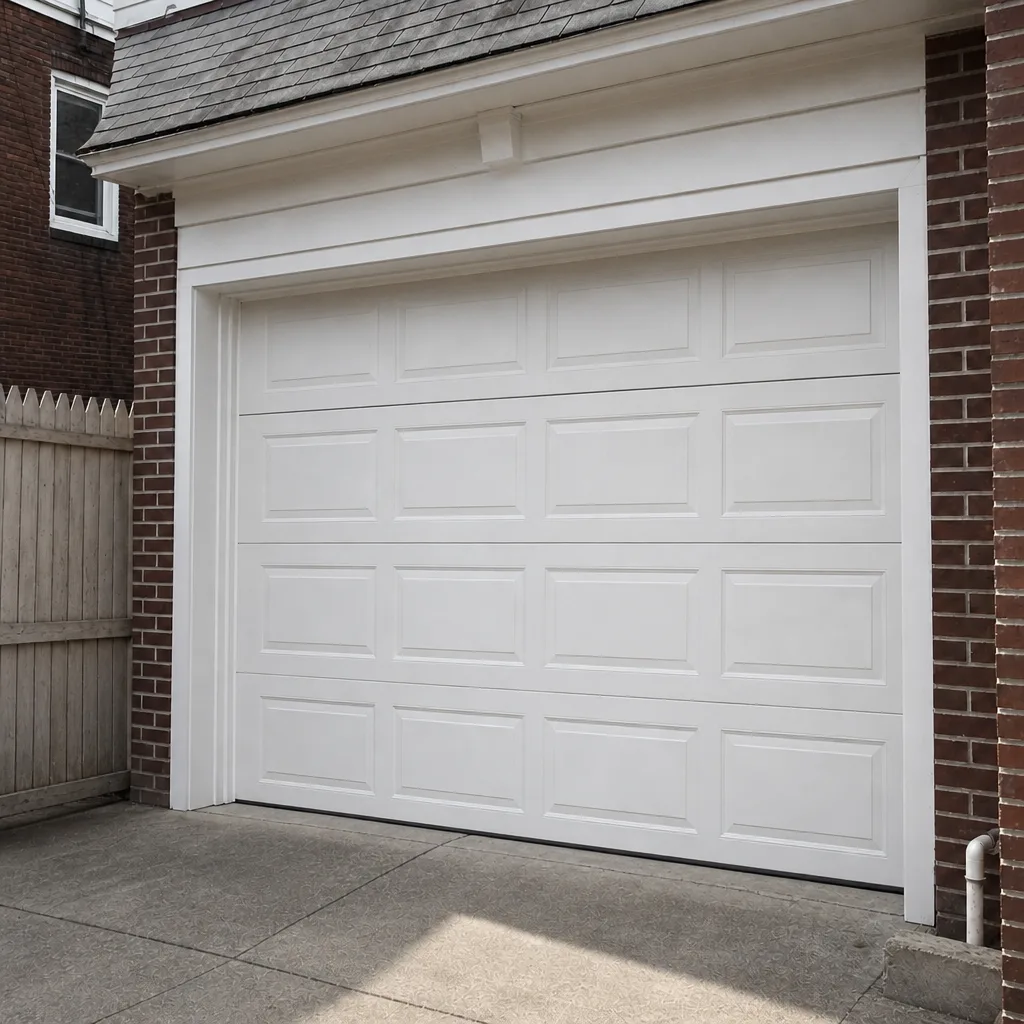 After
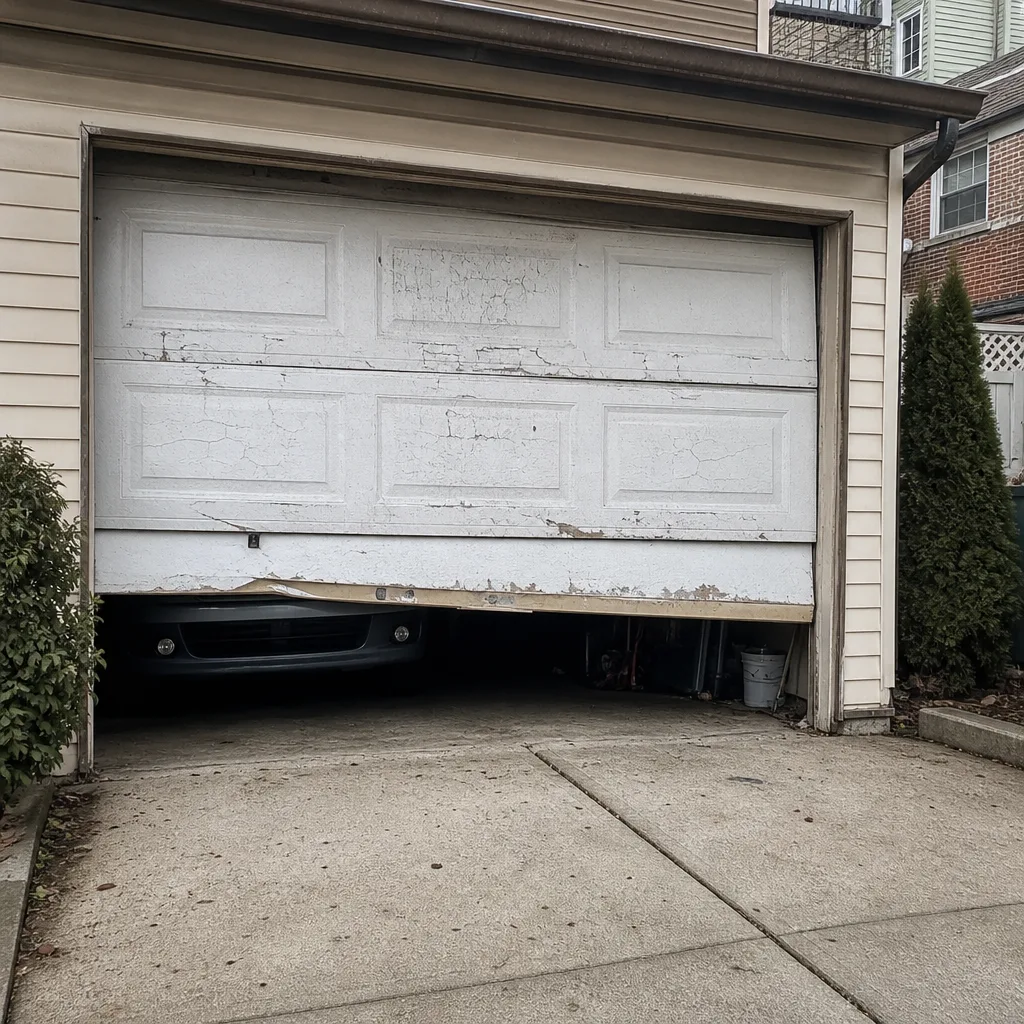 Before
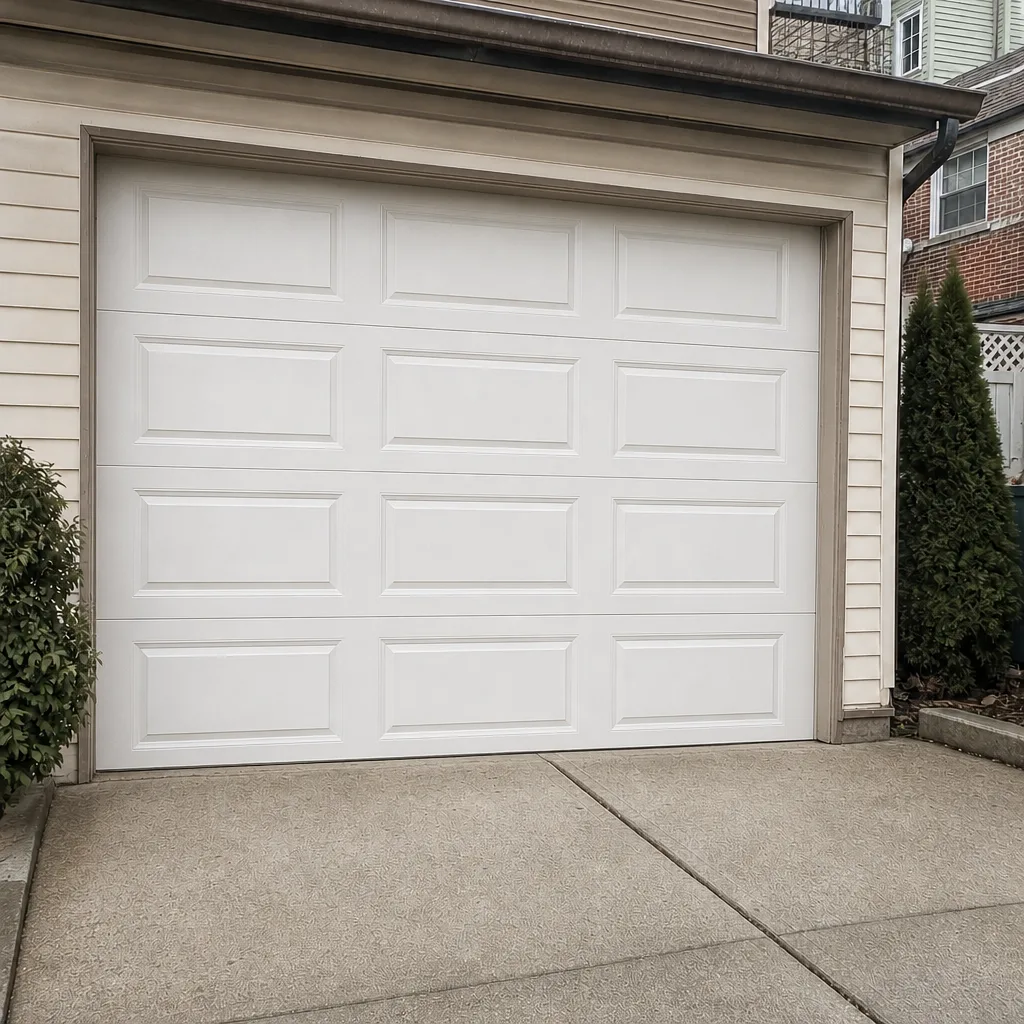 After
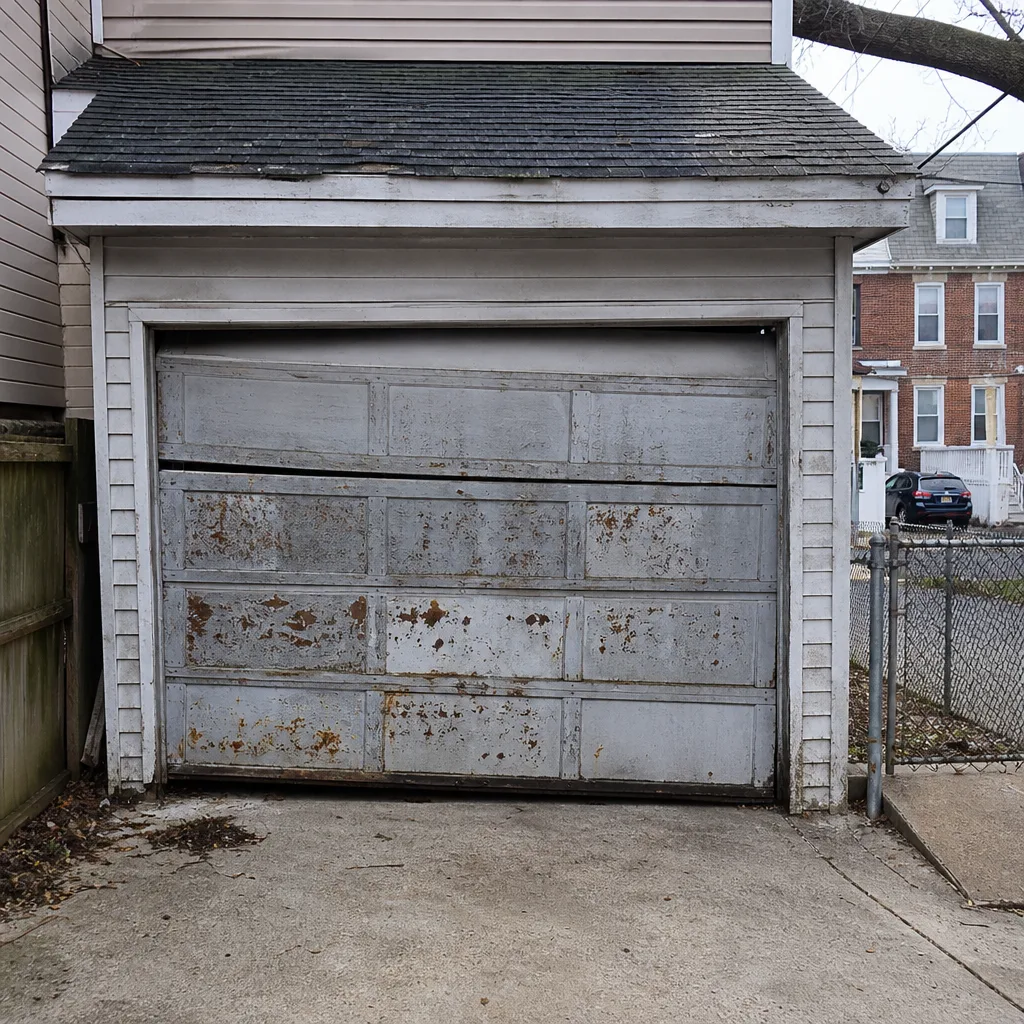 Before
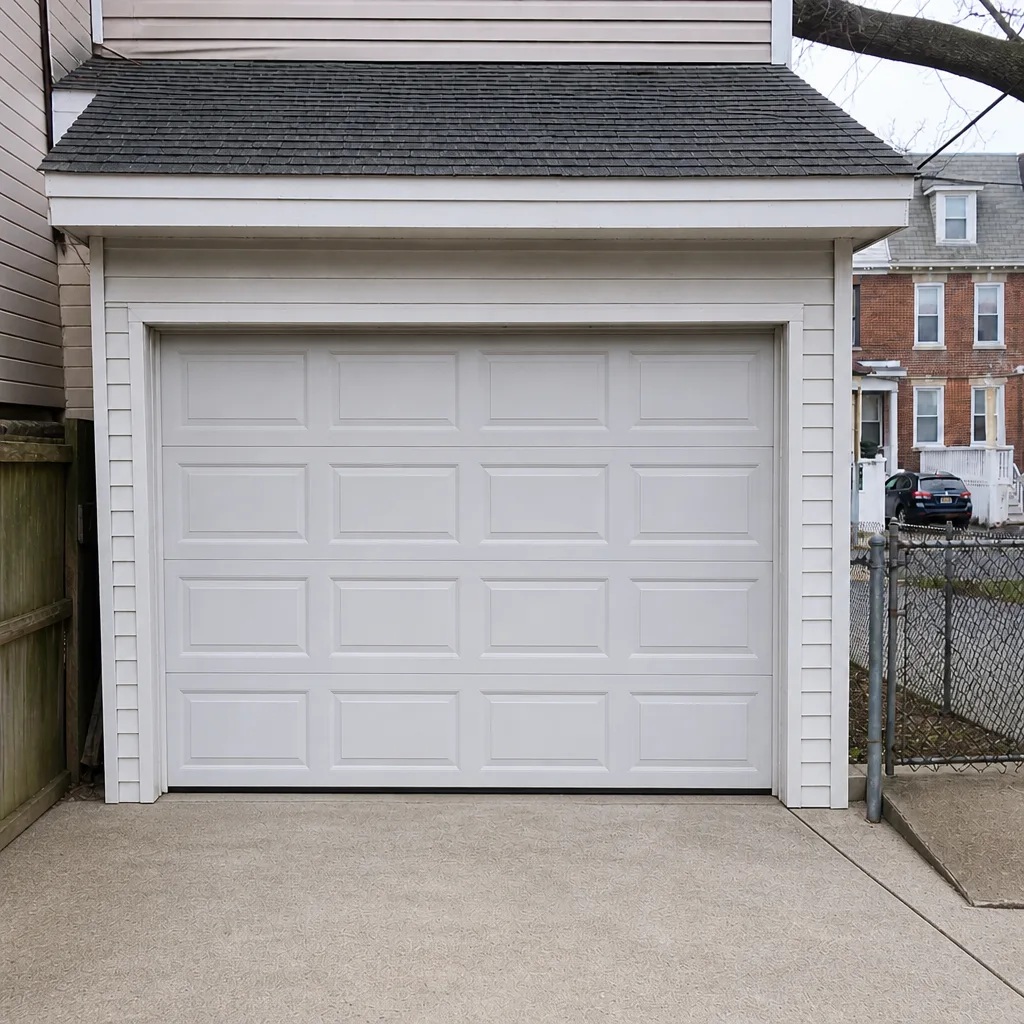 After