
Last updated November 21, 2026
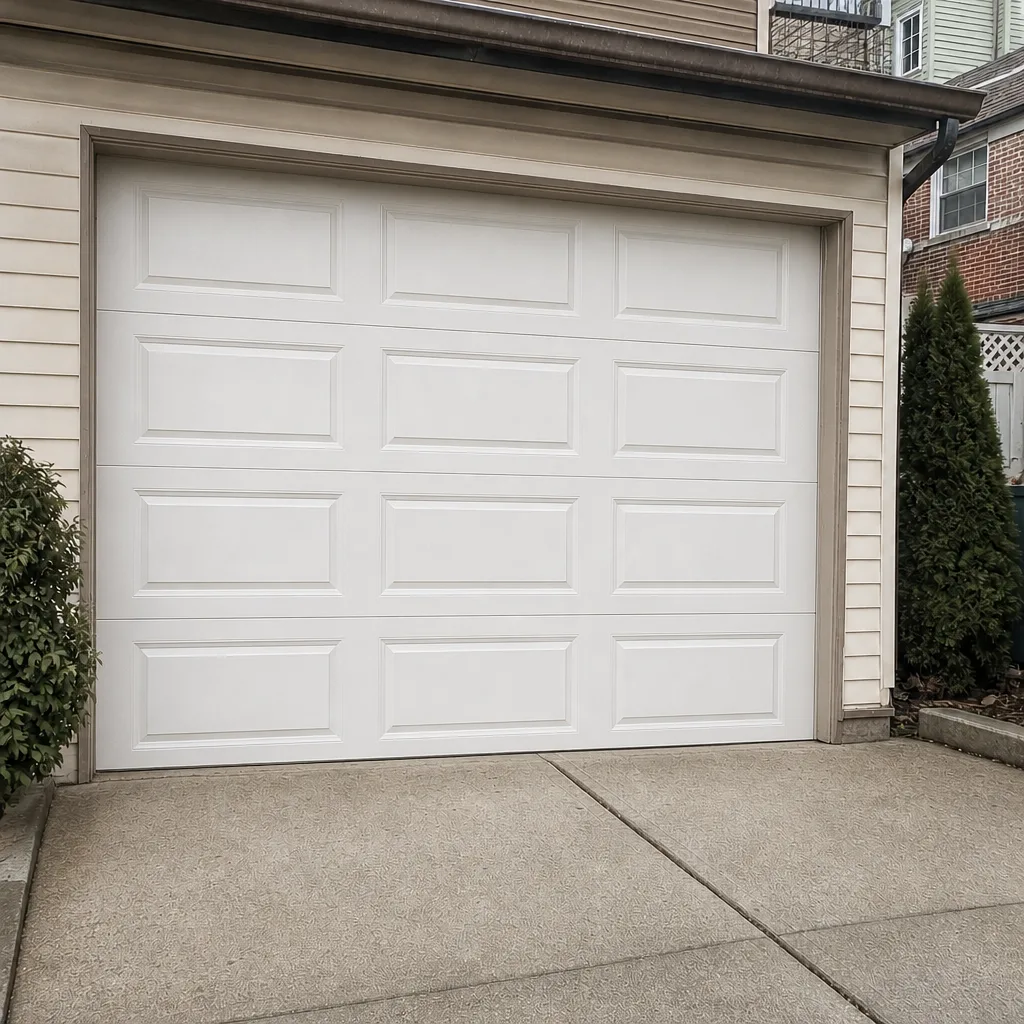
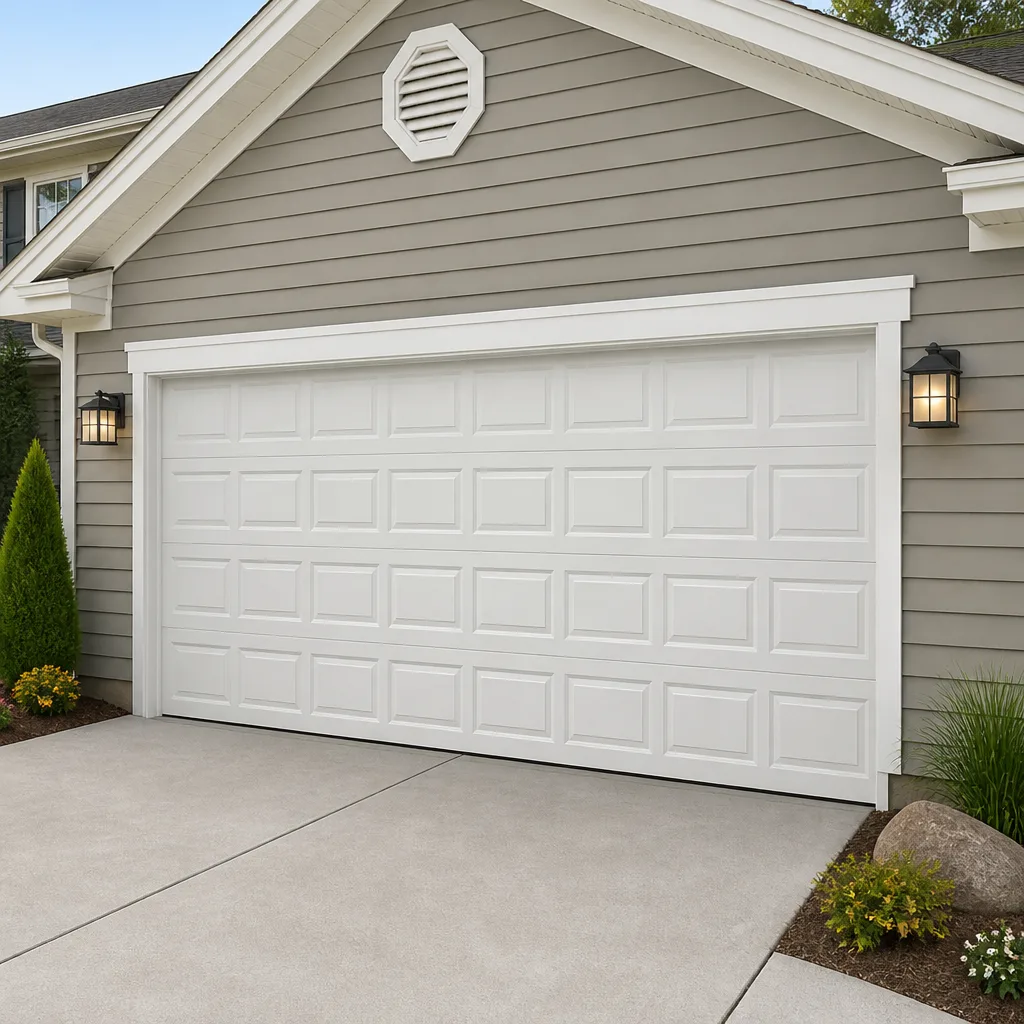 Raised-panel steel
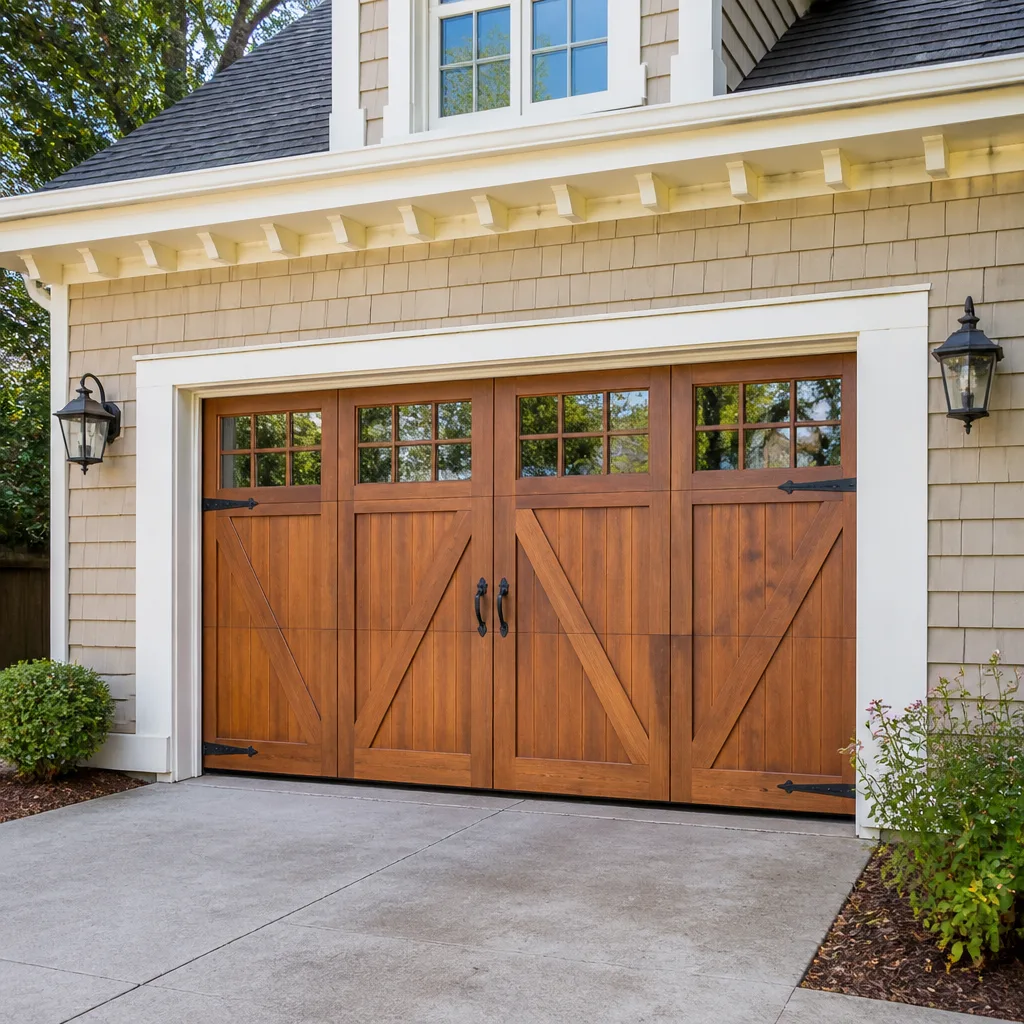 Carriage house
 Modern flush
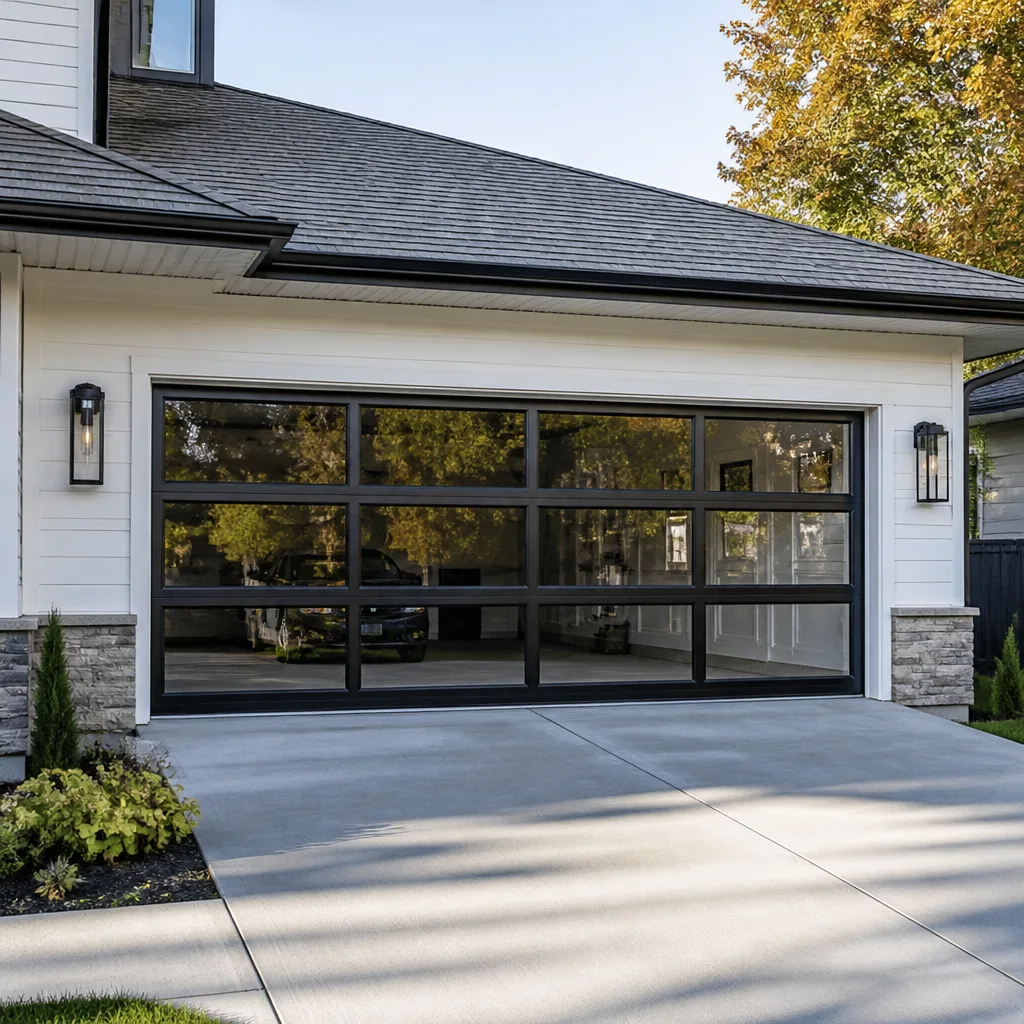 Full-view glass
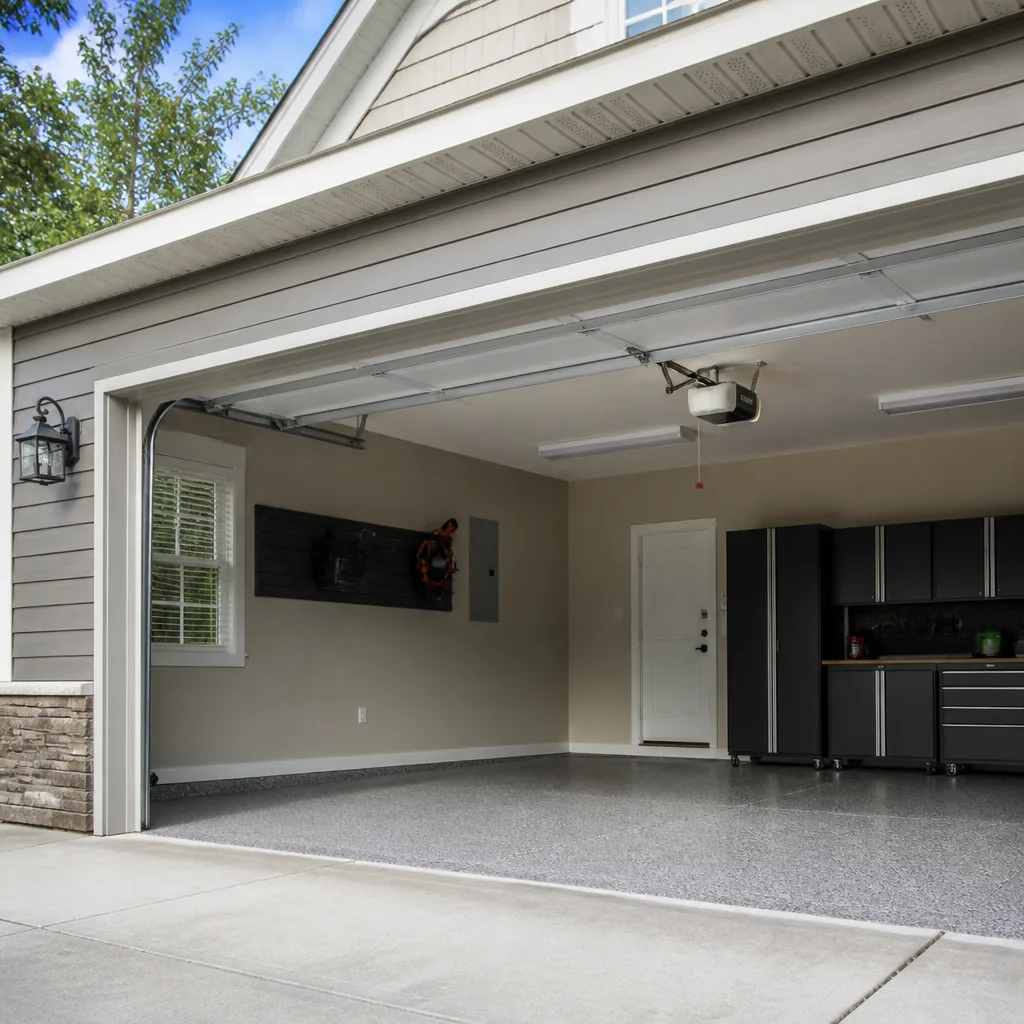 LiftMaster openers
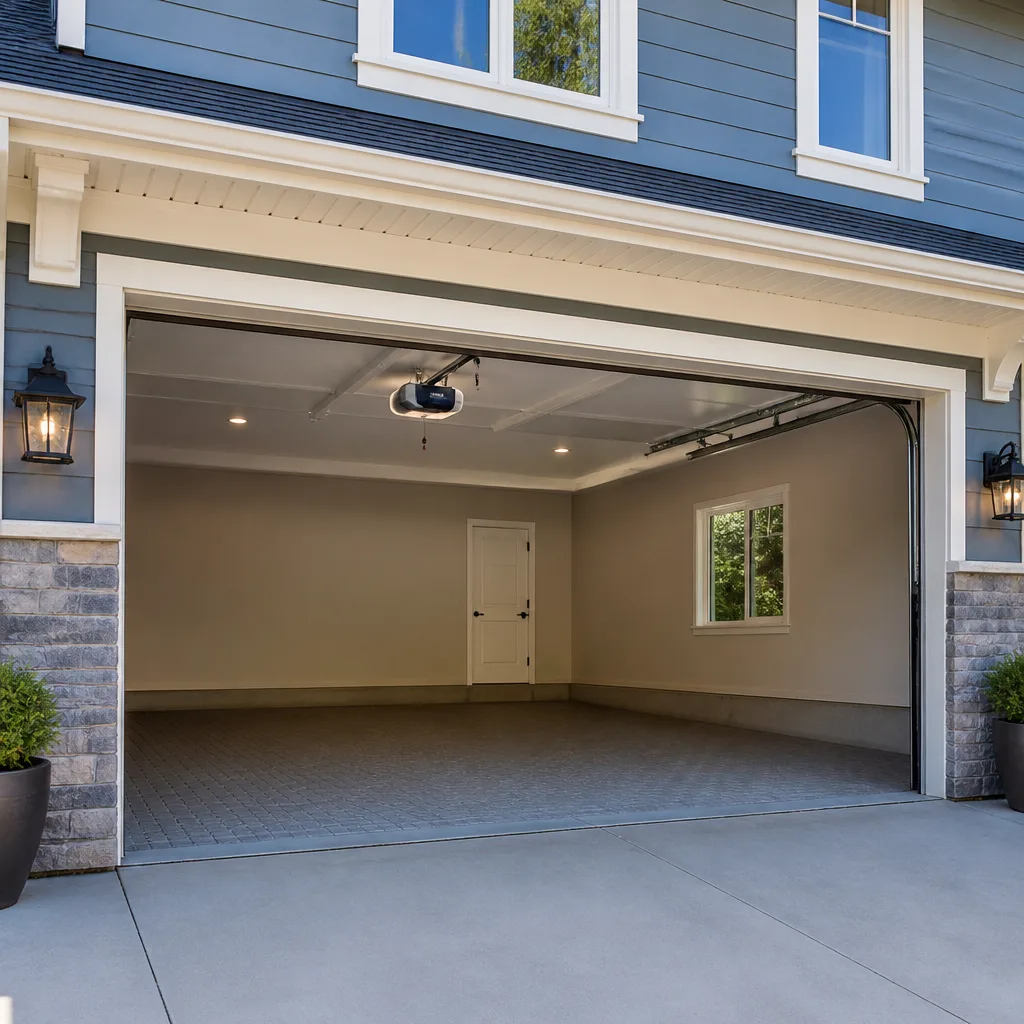 Chamberlain openers
Full 25-point door and opener safety check with every visit - springs, cables, rollers, tracks, and your LiftMaster or Chamberlain opener included
You get a price before we start. It does not change when the pro arrives.
Get your free estimateGarage Door Emergency Preparedness Guide for Fishtown Homes
The most common thing that turns a fixable door failure into a full replacement is a homeowner trying to force a jammed door open with the opener after a spring breaks. It makes sense in the moment: the car is trapped, the street is already tight, and the button is right there. But a door with a snapped spring is a dead weight hanging from cables and brackets, and every cycle you ask of the motor after that point pushes the whole assembly further out of alignment. Homes in Fishtown feel this more sharply than most places. Parking is scarce, many households rely on the garage as the only reliable place to keep a car, and a door that stops working can strand someone for a shift or a school run. This guide walks through what to do in the first 30 minutes of a failure, before you call anyone, and how to avoid making things worse while you wait.
Quick Answer
In a garage door emergency, stop using the opener immediately, keep everyone clear of the door, and identify whether the problem is a spring, a cable, or a track derailment by looking and listening from outside. Do not force the door up by hand unless a technician or the manual release procedure calls for it, and call for service with the door’s position, brand, and symptom ready so the right parts come on the first visit. For Fishtown homes, the first 30 minutes matter more than any other window, because a door stuck open leaves the garage exposed and a dead door blocks the car.
Styles & brands we work with
- Raised-panel steel
- Carriage house
- Modern flush
- Full-view glass
- LiftMaster openers
- Chamberlain openers
Table of Contents
- What Should You Do in the First 30 Minutes of a Garage Door Failure?
- How Do You Tell a Spring Failure From a Cable Failure or Track Derailment?
- How Do You Use the Manual Release Cord Safely?
- What Do You Do When the Door Is Stuck Open and Your Garage Is Exposed?
- What Is the Protocol for a Power Outage?
- What Information Should You Have Ready When You Call for Emergency Service?
- How Do You Prepare a Fishtown Garage Before Something Breaks?
- Common Mistakes to Avoid
- When to Call a Professional
- Frequently Asked Questions
What Should You Do in the First 30 Minutes of a Garage Door Failure?
The first 30 minutes of a garage door failure decide whether the repair stays cheap and simple or grows into a replacement. In Fishtown, where a blocked driveway can mean a car stuck behind a door for the rest of the day, the instinct to force things is strong. Resist it. Here is the sequence we recommend, in order:
- Stop pressing the opener. Let go of the remote, the wall button, and any app controls. Every press re-energizes a motor that is trying to lift weight it was never designed to lift alone.
- Clear the area. Keep kids and pets back at least a door-width. A door under tension can drop or swing without warning.
- Look, don’t touch. From outside the garage, watch the door’s position, the gap at the bottom, and the cables on each side. Do not reach for springs, cables, or brackets.
- Listen. A single loud bang followed by silence usually points to a spring. A grinding or scraping sound as the door moves halfway points to a track or roller problem.
- Check the wall outlet and breaker. If the door is fully closed and the opener is silent, the issue may be power, not the door.
- Call for service with details ready. A technician who knows the brand and the symptom before arriving can bring the right springs or parts.
In our experience across Fishtown, the calls that go smoothest are the ones where the homeowner has already stopped the opener and has a clear picture of what the door is doing. That single act saves diagnostic time and often keeps a repairable door from becoming a replacement job. If the door is dead and you need a hand, our Garage Door Repair Fishtown team can talk you through what to check while you wait for a technician.
How Do You Tell a Spring Failure From a Cable Failure or Track Derailment?
You can identify most garage door failures from outside the garage without touching anything, just by watching the door’s position and listening. Springs, cables, and tracks each fail in a distinct way, and knowing which one you’re dealing with helps you describe it accurately when you call. Here’s what each looks like from the outside.
Spring failure
- A single loud bang, sometimes described as sounding like a gunshot, from inside the garage.
- The door won’t lift with the opener, or lifts a few inches and stops.
- The door feels unusually heavy if you try to lift it by hand at the bottom edge (don’t pull hard, just note the weight).
- A visible gap in the coil of a torsion spring above the door, or a stretched extension spring along the track.
Cable failure
- The door lifts unevenly, with one side higher than the other.
- A cable is visibly loose, frayed, or dangling on one side of the door.
- The door may sag or tilt in the opening even when the opener runs.
- Grinding or popping sounds as the drum loses tension.
Track derailment
- The door binds, scrapes, or stalls partway up.
- Rollers are visibly out of the track on one or both sides.
- The door hangs crooked, with a gap at one corner.
- The track itself is bent, dented, or pulled away from the wall.
Springs and cables are both under extreme tension. Even a door at rest with a snapped spring can have stored energy in the remaining coil or cable, so this is not a DIY repair and we strongly discourage anyone from touching either component. Track issues look less dramatic but a derailed door can drop without warning. If you’re not sure what you’re looking at, describe what you see when you call. For Fishtown homes, brand matters too: knowing whether the door is an Amarr, a Wayne Dalton, or another make helps a dispatcher anticipate which hardware is likely involved. That’s why our garage door repair service asks for the brand up front. We work on the brand already in your garage.
How Do You Use the Manual Release Cord Safely?
The manual release cord detaches the door from the opener so you can move it by hand, and it should be used deliberately, not instinctively. The cord exists for one main purpose: to move the door when the opener can’t. Knowing when to pull it and when to leave it alone makes the difference between a controlled release and a dropped door. Here are the situations where it helps and where it doesn’t.
When to use the manual release
- The opener is dead but the door is intact and balanced: the door still lifts with reasonable hand pressure and stays where you put it.
- You need to get a car out during a power outage, and the door moves smoothly by hand.
- A technician asks you to disengage the door over the phone before service arrives.
When NOT to use the manual release
- A spring is broken. The full weight of the door is now carried by you and the cables, not the spring. Letting go can drop the door.
- A cable is loose or frayed. The door’s balance is compromised and it can shift sideways as you lift.
- The door is already crooked or wedged in the track.
- You’re not sure the door is balanced. If in doubt, don’t pull the cord.
How to disengage the opener safely
- Make sure no one is standing under or near the door.
- Stand to one side of the door, with a clear path behind you.
- With the door fully closed (or fully open if the opener failed there), pull the release cord straight down and toward you in one smooth motion.
- Test the door’s balance: lift it about a foot by hand at the bottom edge. If it feels very heavy or falls back down, stop and don’t lift further.
- If the door is balanced, lift it slowly to the open position and secure it before driving through. Never leave a manual-release door unattended in the open position.
If a spring has snapped, leave the door where it is and call for service. Our technicians have up to 11 years of experience handling high-tension spring work, and we’d rather walk you through a safe disengagement than have you try it with the weight of the door on your shoulders. For opener-specific issues, our garage door opener repair page covers what to check before calling.
What Do You Do When the Door Is Stuck Open and Your Garage Is Exposed?
When a door is stuck open, the immediate priority shifts from getting it moving to protecting what’s inside it, and Fishtown’s dense rowhouse blocks make that a live problem rather than a theoretical one. A door stuck open on a Fishtown street exposes everything in the garage to view from the sidewalk, and on a block where homes share a driveway, the exposure is visible from both sides. Here are the mitigation steps we recommend while you wait for a technician.
- Move tools and anything valuable out of sight. If the door is halfway up, you may be able to pull bicycles, tools, or stored items into the house from inside the garage without approaching the track or spring components.
- Close the door manually if it’s safe. If no spring is broken and the door is balanced, you may be able to lower it by hand and wedge it at the bottom with a broomstick or a length of lumber. Never wedge under a door that is unsupported by a working spring.
- Block the opening visually. A tarp or a moving blanket hung across the opening gives some cover without putting weight on the door itself.
- Ask a neighbor or a household member to keep an eye out. On a shared block, a neighbor who knows what’s happening is one more set of eyes.
- Don’t leave a car parked in the exposed garage overnight if you can avoid it. That said, Fishtown parking being what it is, that’s often not a choice. Do what you can.
The goal in these first hours is to make the garage less attractive to a casual eye, and to get a technician out to assess the door as soon as possible. If the door is stuck open because a spring or cable has failed, do not try to force it closed by hand. That is when doors drop. Call for professional help and let a technician take the weight of the door safely.
What Is the Protocol for a Power Outage?
Power outages disable the opener, not the door, and the correct protocol is to move the door by hand rather than press the remote repeatedly. Many power outages in Fishtown last only an hour or two, but a door that won’t open can still strand a car for the whole day if you don’t know the manual release routine. Here is the procedure, in order.
- Confirm the outage is the cause. Check the wall outlet with a phone charger or a lamp. If the outlet is dead, the issue is power. If the outlet works and the opener is silent, the issue is the opener.
- Try the wall button, not the remote. Remotes occasionally lose their pairing and can make the opener look dead when it isn’t.
- If the outlet is dead, wait a few minutes for power to return. Some outages are momentary. Short outages don’t need manual release.
- If the outage will last, use the manual release. Follow the safety steps above: clear the area, pull the cord smoothly, test the balance, and lift by hand.
- Secure the door after use. After moving the car, lower the door by hand and keep it closed. Do not leave a manual-release door open unattended.
When power returns, don’t hit the remote immediately. First:
- Re-engage the door to the opener (most openers re-engage automatically once the carrier moves, but check yours).
- Press the wall button once and watch the full cycle.
- Check that the safety sensors at the bottom of the track are aligned and lit.
- If the door won’t stay closed, the safety sensors are likely the cause, not the door itself.
Smart-home openers from brands like Chamberlain and LiftMaster usually recover on their own, but a few need a re-sync with the app after a hard outage. Our garage door opener repair team handles those resets on the brand already in your garage, and we know the differences between legacy units and modern connected ones without a factory service call.
What Information Should You Have Ready When You Call for Emergency Service?
When you call for emergency garage door service, the details that save the most time are the door’s brand, its symptom, and its position, because those three facts tell a dispatcher what parts will likely be needed and how to prepare the technician. A call with these ready takes a minute; a call without them takes three times as long and often results in a second visit. Here’s the checklist.
- Door brand. If you don’t know it, look for a sticker on the inside of the panel or on the opener housing. We work with Amarr, Wayne Dalton, Raynor, and other major brands, so naming yours helps us source parts without guesswork.
- Opener brand and model. Same idea. LiftMaster and Chamberlain units are among the most common in Fishtown homes, but the model matters for parts and compatibility.
- Symptom in plain language. “Snapped spring,” “door came off the track,” “opener runs but the door doesn’t move,” “loud bang and now nothing.”
- Door position. Fully closed, fully open, or stuck partway up. That changes the dispatch plan and the safety steps.
- What you’ve tried and what you’ve stopped doing. If you pressed the opener a few times before realizing something was wrong, say so; it tells the technician whether the motor has been stressed.
- Access and parking notes. Fishtown streets are narrow and can be tight on both sides. If there’s a block of cars, tell us. It helps to know before arrival.
- Photo, if you can safely take one. A photo of the door from across the street, without approaching the springs or tracks, can confirm the diagnosis before arrival.
One more thing: if the door won’t move and someone needs the car, say that on the call. When your door won’t move, we move fast, and knowing a car is trapped puts your job in a different queue than a door that can wait until tomorrow. We answer 24/7. Fast dispatch from 7am to 7pm, Sunday through Friday. A call outside dispatch hours is booked into the next opening. Call (833) 468-3037.
How Do You Prepare a Fishtown Garage Before Something Breaks?
Most garage door emergencies that we see in Fishtown were visible weeks earlier, and fifteen minutes of observation twice a year prevents the majority of them. It’s easy to take the door for granted when it cycles quietly, but a few checks catch problems while they’re still cheap to fix. Here’s a preparedness routine we recommend for any Fishtown homeowner.
Twice a year (spring and fall)
- Watch the whole door travel from outside, from a safe distance. Look for hesitation, uneven movement, or a noisy cycle.
- Look at the springs above the door for a visible gap or a stretched coil. Do not touch them.
- Look along both tracks for frayed cables, loose bolts, or worn rollers. Do not reach into the spring assembly.
- Test the safety sensors by waving your hand across the beam at the bottom of the tracks. The door should reverse.
- Listen for grinding, scraping, or popping sounds. A door that’s getting loud is a door that’s telling you something.
Once a year
- Look at the door panels for dents, cracks, or rust at the bottom edge. Weather swings in Philadelphia can be hard on steel.
- Check the opener’s auto-reverse and force settings per the manufacturer’s manual. That’s a check, not an adjustment; adjustments should go to a technician.
- Have a technician inspect the springs and cables before an issue develops, particularly if the door is over a decade old.
Fishtown rowhouse garages tend to be tight, and a door that operates in a narrow opening has less tolerance for misalignment than a wide suburban door. If you’ve noticed the door starting to bind on one side, don’t wait for it to fail; call for an inspection. For a full replacement or upgrade, our garage door installation service walks through sizing and brand options on-site, with a written estimate before any work begins.
Common Mistakes to Avoid
- Keep pressing the opener after a spring breaks. It runs the motor against dead weight and can burn out the opener on top of the spring cost. One press to confirm the failure and then stop.
- Pulling the manual release on a door with a broken spring. That transfers the door’s full weight to you and the cables. The door can drop. If the spring is broken, don’t pull the cord.
- Trying to straighten a bent track yourself. A track that’s been bent out of line is under load, and straightening it by hand can push a derailed door onto you. Leave it to a technician.
- Reaching into the spring assembly to see what’s wrong. Springs are under extreme tension even after they’ve snapped. Look from outside the door, never touch.
- Assuming the door is fine because it went down. A door with a snapped spring often closes and then won’t lift again. A door that closed on the last cycle is not a door that’s working.
- Parking too close to the door when a car is stuck. Fishtown blocks can get very tight. If you’re parked in front of someone’s driveway because your own door won’t open, leave a note with a number; the neighborly move saves everyone a hassle.
- Ignoring a warning sign for weeks. A noisy cycle, a hesitation, a door that reverses on its own opens the door to a worse failure at a worse time. Early repair is the cheapest repair.
When to Call a Professional
Call a professional immediately when any of these is true: a spring has snapped, a cable is loose or frayed, the door is off its track, the door is stuck open and you can’t lower it safely, or the opener runs without moving the door. These situations all involve stored energy in the door’s hardware, and none of them should be handled by a homeowner. Springs are under extreme tension and this is not a DIY repair. For a door that’s noisy, hesitant, or reversing intermittently, you can schedule service rather than call on an emergency basis. Our technicians have up to 11 years of experience with spring and cable work, and we handle everything from garage door repair Fishtown calls to full replacements under one provider. Garage Door Repair Fishtown offers free estimates in Fishtown. Call (833) 468-3037. We answer 24/7. Fast dispatch from 7am to 7pm, Sunday through Friday.
Frequently Asked Questions
Every Fishtown spring job is priced per door after a technician has looked at the setup, and the written estimate confirms the number before any work begins. A spring replacement is quoted per spring, and when a matched pair is replaced together (which is common practice), the cost reflects both springs. Call (833) 468-3037 for a free estimate on your specific door, brand, and spring type.
In most urgent cases, yes. A door that won’t open and has a car trapped or the garage exposed goes into a same-day queue when possible. We answer 24/7, and fast dispatch from 7am to 7pm runs Sunday through Friday. Call (833) 468-3037 and tell us the door position, brand, and symptom so we can route the right parts to your address.
No. The written estimate sets the price, and the number on the estimate is the number we work to. If the technician discovers something that changes the scope (a hidden track issue, for example), you’ll hear about it and get a revised estimate before any additional work begins. Call (833) 468-3037 for a free estimate.
The local technicians we connect you with are licensed and insured as their state requires, and their work follows standard trade practice for high-tension spring and opener repair. We can walk through credentials on the call and answer any safety questions before scheduling. Call (833) 468-3037.
If the door is stuck open and the garage is visible from the street, move valuables out of sight, secure the opening as best you can (a tarp or a wedge at the bottom if the door is balanced), and call for professional service. Do not try to force the door closed by hand if the spring has failed; that’s when doors drop. Call (833) 468-3037 and tell us it’s a security-exposed situation.
Yes, if the door is balanced and intact. Pull the manual release cord with the door closed, test the door’s balance by lifting a foot by hand, and if it feels light, lift it smoothly to the open position. If the door is very heavy or won’t stay up, the spring or cable has failed and you should leave the door alone and call for service. Call (833) 468-3037 for guidance.
The Bottom Line
In a garage door emergency in Fishtown, the most important step comes before you call anyone: stop using the opener. Identify the symptom from outside, keep everyone clear, and don’t force a door that’s under failed tension. For a spring failure, a cable failure, or a derailed track, call a professional; the local pro is licensed and insured as their state requires, and spring work is not a DIY job. Know that the written estimate sets the price before any work starts, and have your door brand, opener brand, symptom, and door position ready when you call. Everything else follows from those basics.
Call (833) 468-3037 for a free estimate. We answer 24/7. Fast dispatch from 7am to 7pm, Sunday through Friday. Garage Door Repair Fishtown works on the brand already in your garage, and one call covers installation, repair, openers, and emergencies.
Written by the team at Garage Door Repair Fishtown.
See the difference
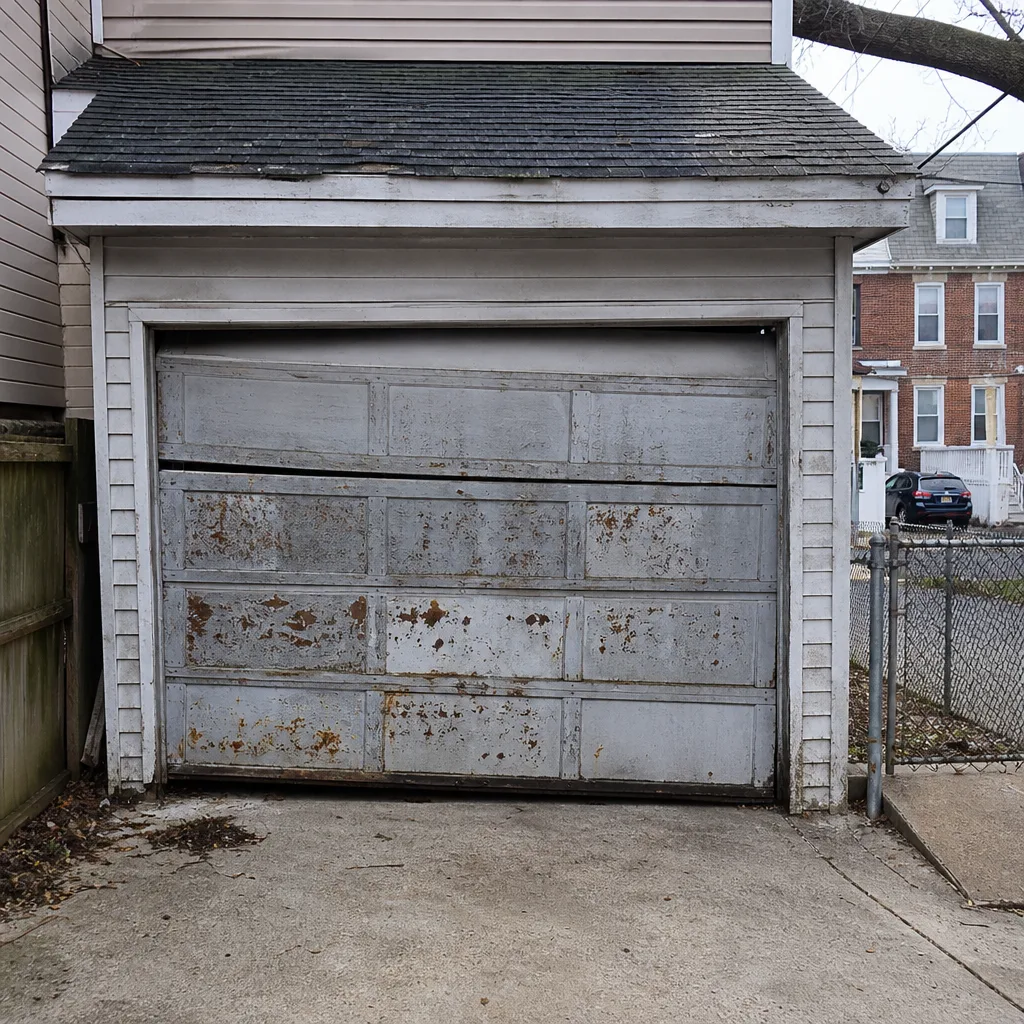
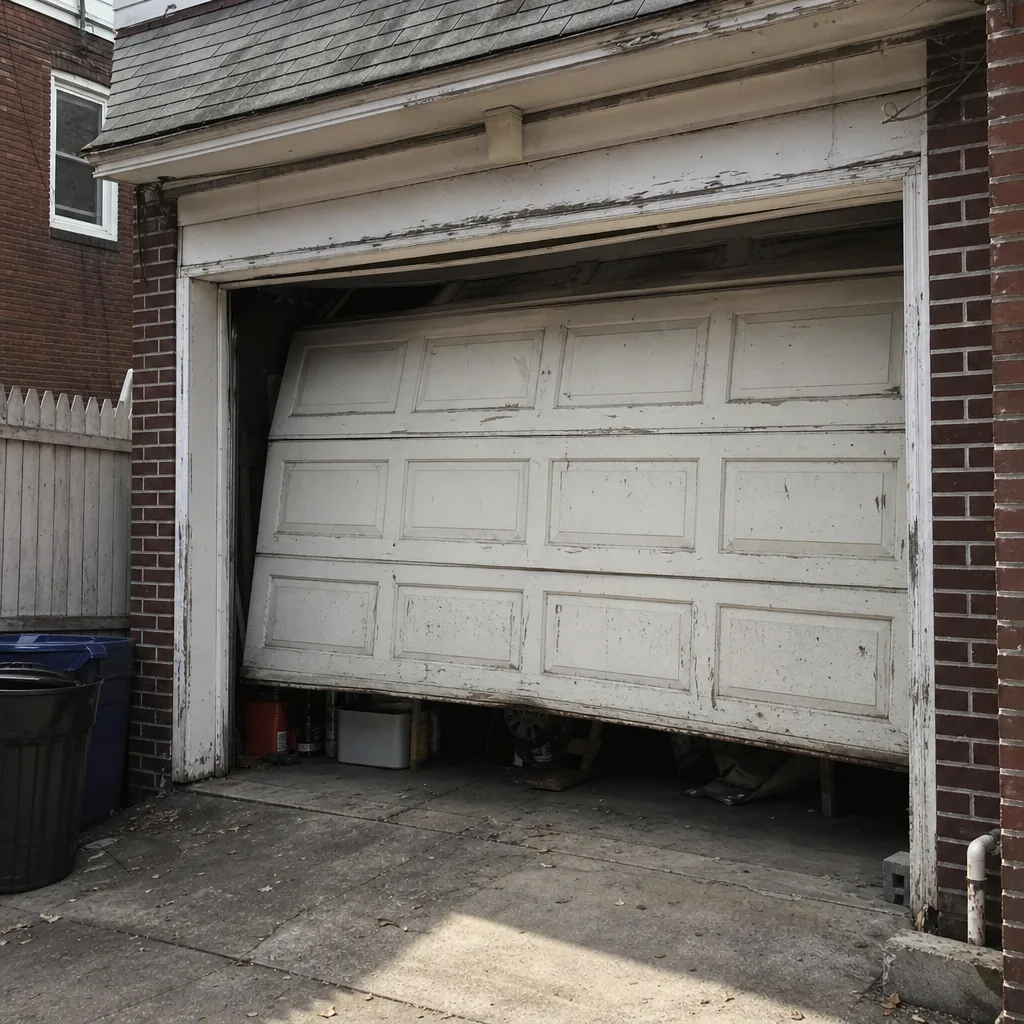 Before
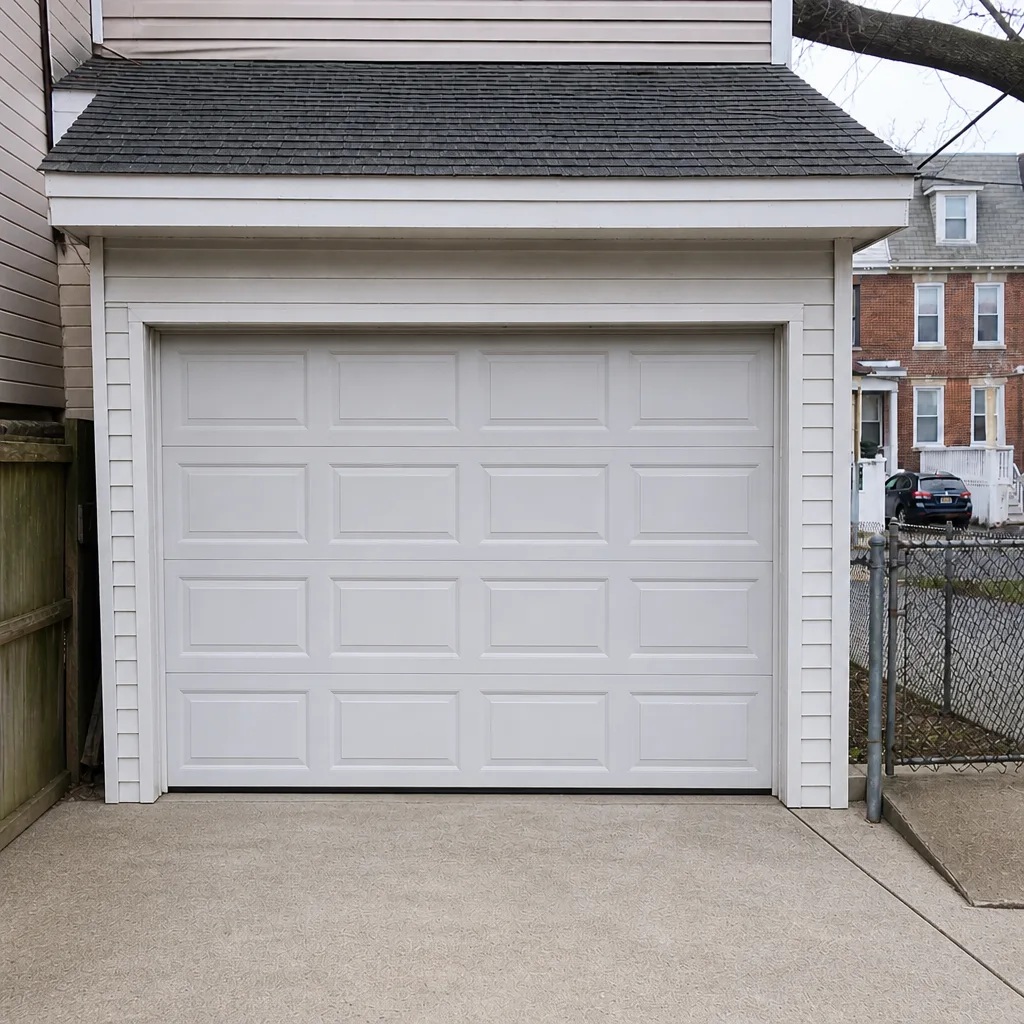
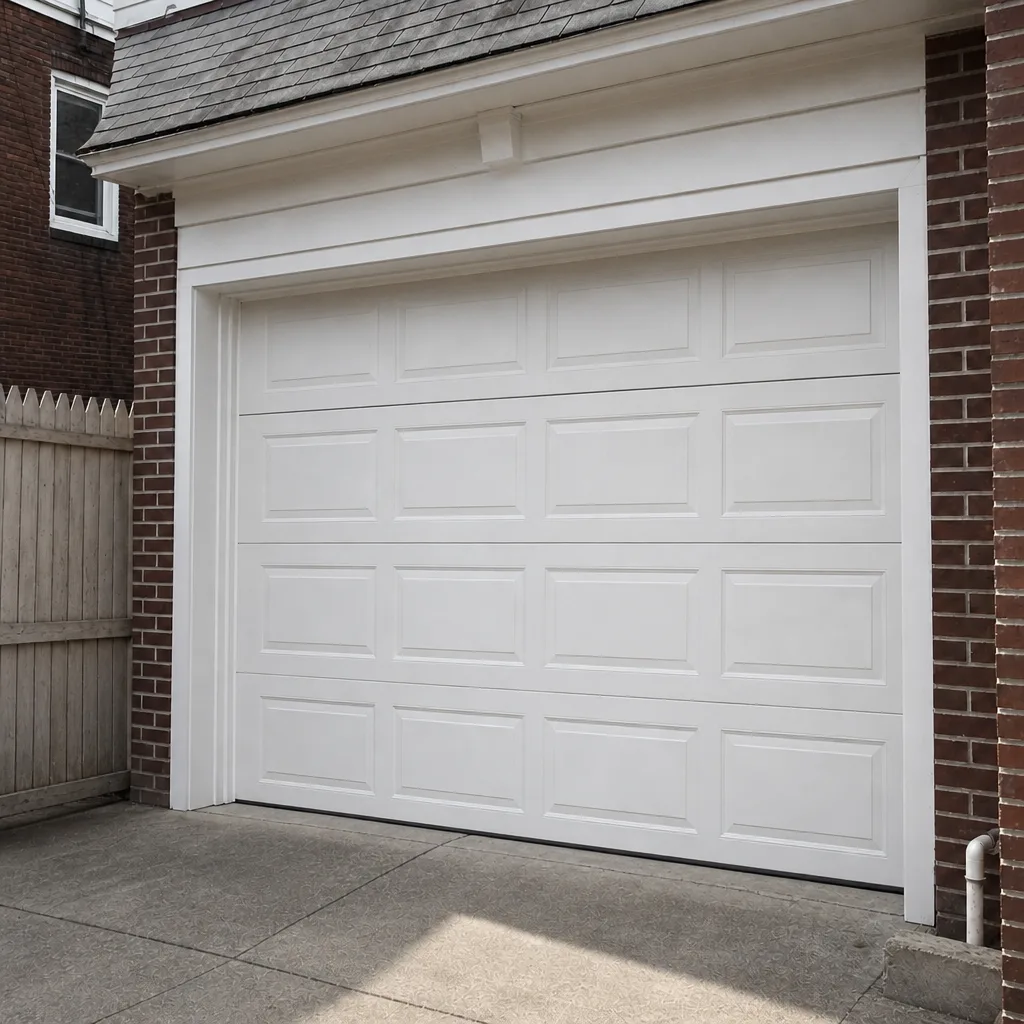 After
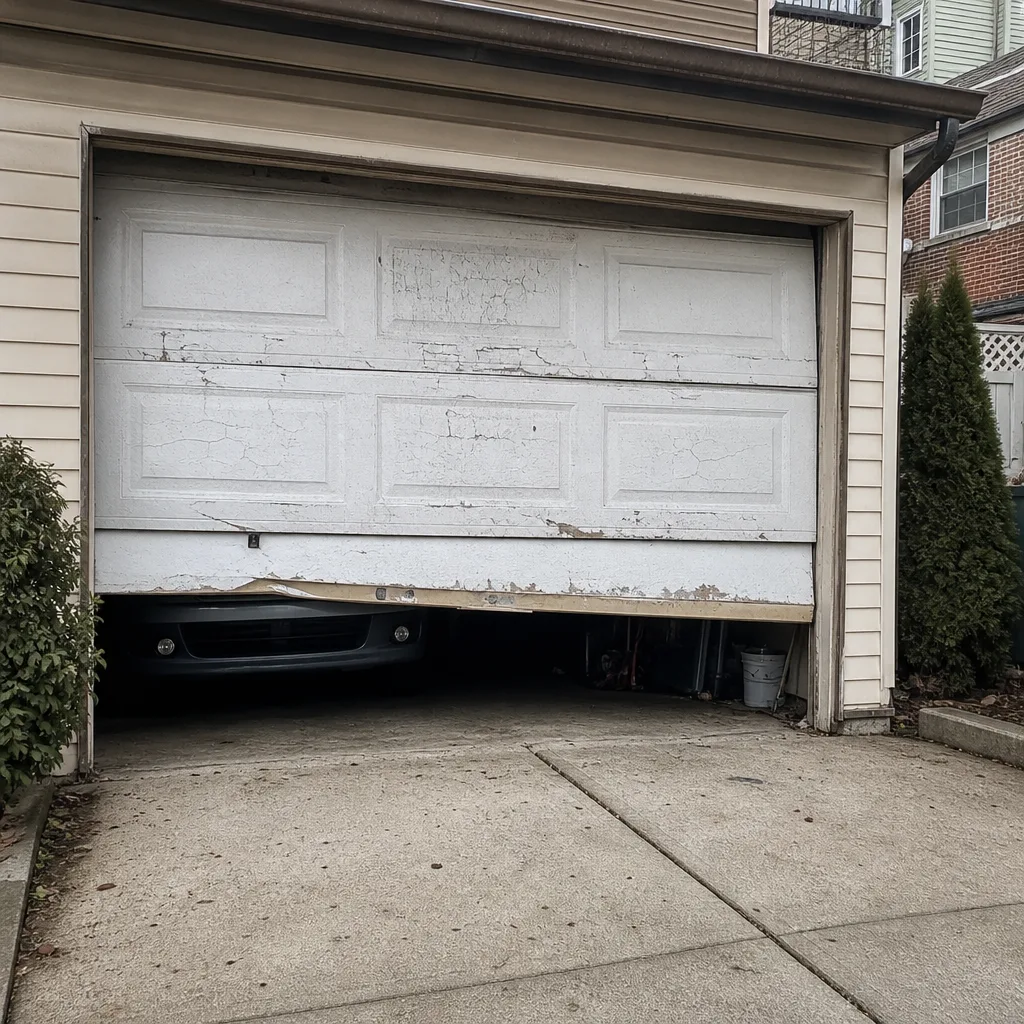 Before
 After
 Before
 After